

 22+ years of exp
Languages
English, Hindi, Urdu, Gujarati and Basic ArabicClinics
HealthHub - Barsha Heights
HealthHub - Discovery Gardens
HealthHub - Festival Plaza
Has your doctor recommended an endoscopy? You probably have questions. What does the procedure involve? Will it hurt? How do you prepare? And how much does endoscopy in Dubai cost in 2026?
This guide covers everything you need to know — in plain language. At HealthHub Clinics by Al-Futtaim, we want you to feel informed and at ease before, during, and after your procedure.
Many routine endoscopies are done as day surgery, so you can go home the same day. For more complex cases, we work with partner hospitals to make sure you get the right level of care.
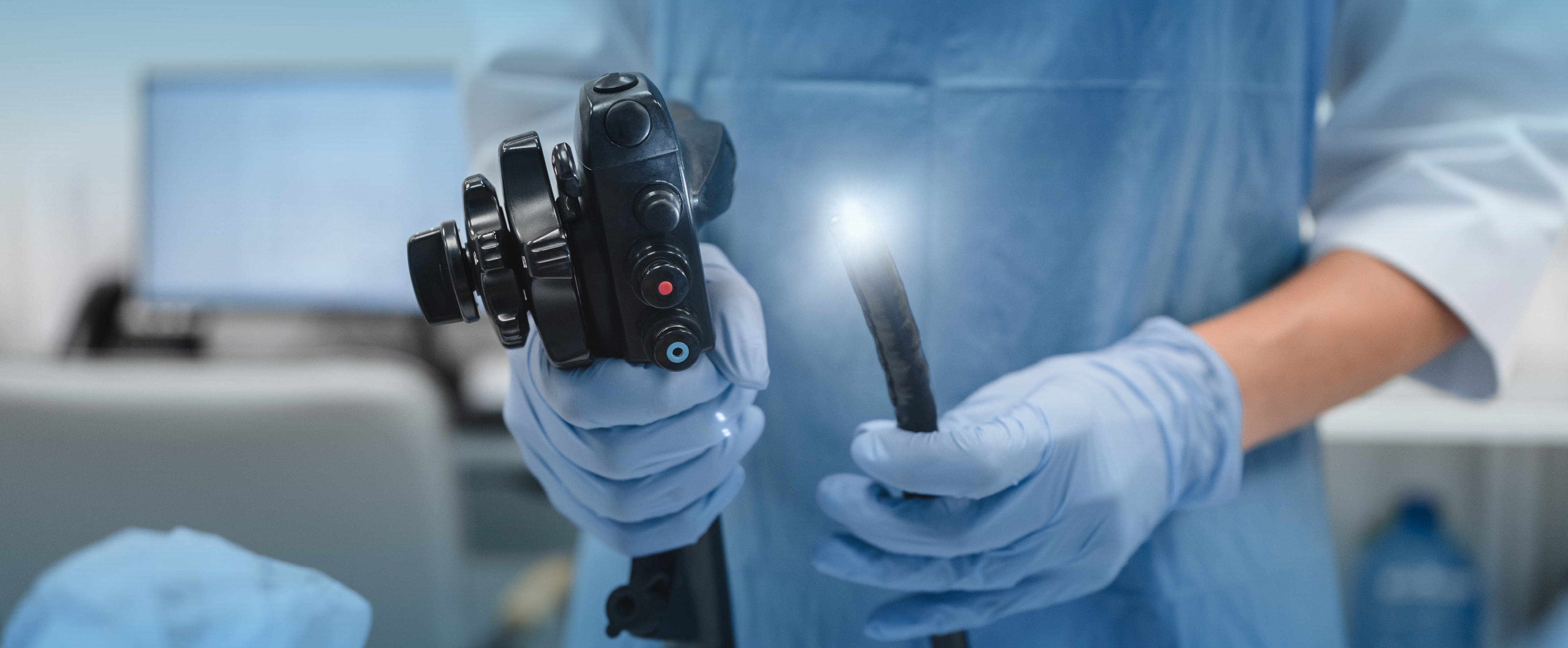
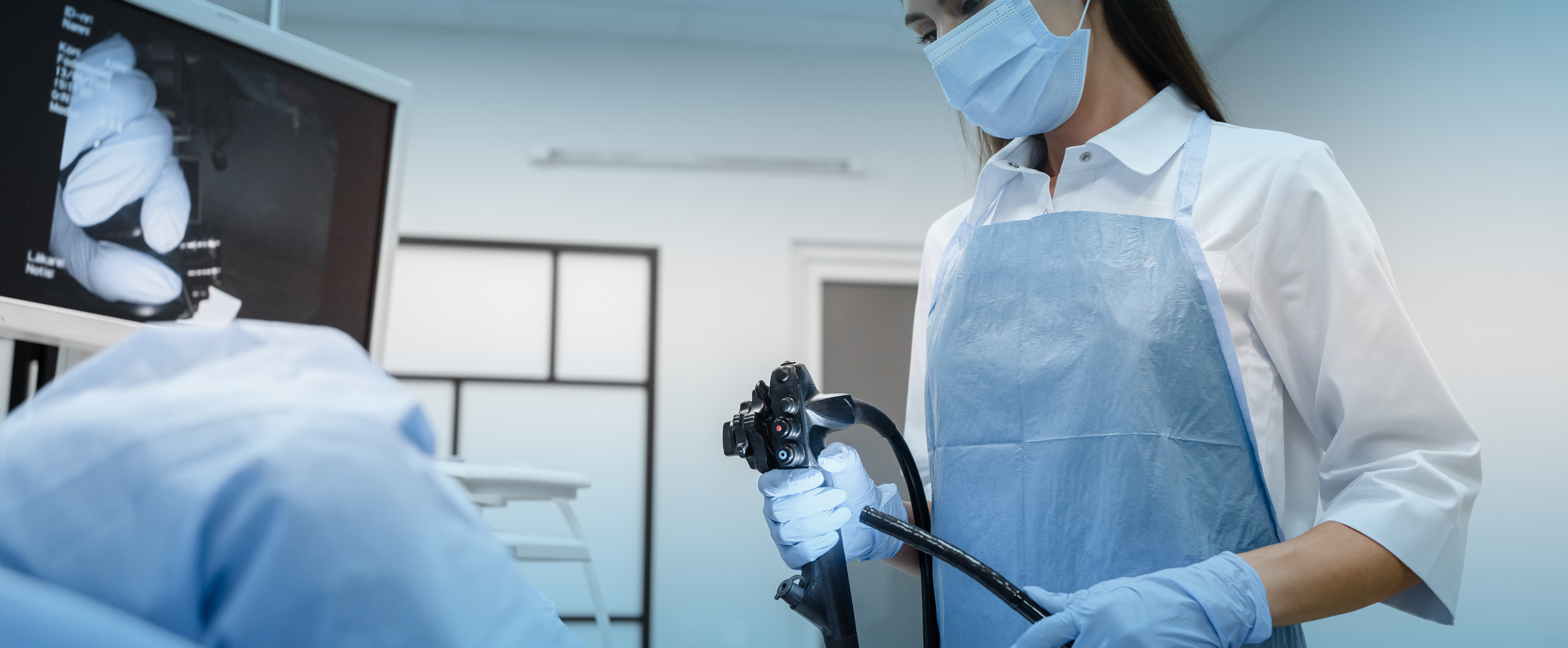
Endoscopy is a procedure that lets your doctor look inside your digestive system. A thin, flexible tube with a tiny camera (called an endoscope) is passed into the body. The camera sends live images to a screen so your doctor can check for problems.
Most people use the word “endoscopy” to mean an upper endoscopy (also called a gastroscopy), which looks at the oesophagus, stomach, and the first part of the small intestine. But the term also covers colonoscopy, which checks the large bowel and rectum.
What makes endoscopy so useful is that it can do more than just diagnose. Your doctor can take tissue samples (biopsies), remove polyps, or treat certain problems — all in the same session. That means faster answers and fewer appointments.
Your doctor may recommend an endoscopy if you have symptoms that need a closer look. Common reasons include:
Not everyone with digestive symptoms needs an endoscopy straight away. A specialist will review your history and symptoms first. At HealthHub, we only recommend the procedure when it is the right next step for you.
A thin tube is passed through your mouth and into your oesophagus, stomach, and duodenum. This is used to check for ulcers, inflammation, gastritis, reflux damage, narrowing, or unusual lesions. If needed, a biopsy can be taken during the same procedure.
A colonoscopy examines the large intestine and rectum. It is used to investigate rectal bleeding, bowel habit changes, chronic diarrhoea, and inflammatory bowel disease. It is also key for colorectal cancer screening. Polyps can be removed during the procedure before they have a chance to develop further.
In some cases, both procedures are done in the same visit. This is more efficient — one round of preparation, sedation, and recovery instead of two separate appointments.
Sometimes endoscopy is not just a test — it is also treatment. During the same procedure, your doctor may take biopsies, remove polyps, stop minor bleeding, or treat certain lesions.
Some conditions involve the bile ducts, pancreas, or deeper tissue layers and require specialist procedures. These are less routine and may need a hospital setting or a multidisciplinary team. Your specialist will advise if this applies to you.
Most routine endoscopies are done as day surgery. You come in, have your procedure, recover for a short time, and go home the same day. No overnight stay needed.
At HealthHub Clinics by Al-Futtaim, our day surgery pathway covers everything: pre-procedure checks, consent, sedation planning, the endoscopy, recovery, and clear discharge instructions. It is designed to be smooth, well-organised, and stress-free.
Some patients need a hospital environment. This may apply if you:
Our doctors will match you to the right setting. If a hospital pathway is needed, we can arrange and perform treatment in our partner hospitals — so you are not left to figure it out alone.
There is no single answer to what endoscopy costs in Dubai. The price depends on several factors, and a clear estimate usually comes after a specialist assessment.
Key factors include:
At HealthHub, we walk you through all of this clearly once your specialist understands your needs. The right question to ask is not just “What does endoscopy cost?” but “What does my care plan include?”
Your stomach needs to be empty. You will be given fasting instructions — usually no food or drink for several hours before the procedure. Follow these carefully.
Tell your doctor about any medications you take, including blood thinners and diabetes medication. Also mention allergies, past reactions to sedation, and any heart, lung, kidney, or liver conditions.
Wear comfortable clothing, arrive on time, and arrange for someone to take you home if you are having sedation.
Colonoscopy preparation is more involved. The bowel needs to be completely clean for your doctor to see clearly. A poorly prepared bowel can hide important findings — and may mean the test has to be repeated.
You will usually be asked to change your diet a day or two beforehand, switch to clear fluids, and take a bowel-cleansing preparation on a specific schedule. Follow the timing exactly.
Stay well hydrated. Your care team will tell you which fluids are allowed and when to stop drinking before the procedure. As with upper endoscopy, arrange transport home if sedation is being used.
The day is usually structured and straightforward. Here is what to expect:
This is one of the most common questions — and the answer is reassuring. Most patients do not describe endoscopy as painful. They may feel some pressure, bloating, or mild discomfort, but sedation makes the experience much more manageable.
For upper endoscopy, you may feel slight pressure in your throat as the scope passes. Many patients remember very little afterwards.
For colonoscopy, there can be some cramping as the bowel is gently expanded. Again, sedation helps significantly. Your doctor will talk through the best approach for your situation.
The actual scope time is usually shorter than patients expect:
But plan for more than just the procedure itself. Preparation, consent, sedation, and recovery all add time. In a day surgery setting, it is best to keep the rest of the day free.
Recovery is usually simple, especially after routine day surgery. Here is what to expect:
Mild throat discomfort, slight bloating, or drowsiness from sedation are common and usually clear up quickly.
Bloating, mild cramping, and passing gas are normal. If polyps were removed, you may receive specific aftercare advice.
Most people recover without any problems. But contact your doctor or go to urgent care if you notice:
These do not always mean something serious — but they should be checked promptly.
Some results are shared straight away. If your doctor spots inflammation, ulcers, or polyps during the procedure, they will explain this before you go home.
If tissue samples were taken, you will need to wait for the pathology report. Your doctor will review it with you and explain what it means for your treatment or next steps.
Good care does not stop when you leave the clinic. Depending on your results, follow-up may include:
At HealthHub, you will not be left with a test result and no plan. We help you understand what comes next and coordinate any additional care you need.
Patients choose us for digestive care because we offer:
Endoscopy is the general term for using a camera scope to examine the digestive tract. Colonoscopy is a type of endoscopy that focuses specifically on the large bowel and rectum. Most people use “endoscopy” to mean an upper endoscopy, which looks at the oesophagus, stomach, and duodenum.
For most patients, endoscopy is a safe, routine procedure when carried out by an experienced team. Serious complications are uncommon. Your specialist will discuss any specific risks that apply to you.
In most routine cases, yes. After a short recovery period, you can go home with a companion if sedation was used.
Your specialist will decide based on your symptoms, medical history, and the type of procedure needed. Most patients are suitable for day surgery, but some need a hospital setting for safety.
Most people take the rest of the procedure day off. Many feel ready to return to normal activities the following day, though this varies.
Coverage depends on your policy and insurer. Some plans require pre-approval. Our team can help guide you through the process.
Bring your ID, insurance details, a list of current medications, any relevant test results your doctor has requested, and the contact details of the person taking you home.
Yes. Endoscopy can detect inflammation, ulcers, polyps, bleeding, and suspicious lesions. It is a key tool for both diagnosis and cancer screening.
Endoscopy is one of the most effective tools in digestive medicine. It turns symptoms into answers — and in many cases, it can also treat the problem in the same session. For most patients, the ideal experience is a smooth, safe day surgery procedure with a clear follow-up plan. That is exactly what HealthHub Clinics by Al-Futtaim is designed to offer.
And when a case needs more — whether that means advanced investigation, hospital care, or surgery — our doctors are there to guide and coordinate the next steps.
If you have ongoing digestive symptoms, have been advised to have a bowel screen, or simply want to understand your options for endoscopy in Dubai, start with a specialist assessment at HealthHub Clinics by Al-Futtaim. The right procedure, in the right setting, at the right time — that is what makes all the difference.

Connect with our experienced doctors at HealthHub Clinics to learn more or call 800 2344. to book your appointment.
22+ years of exp
HealthHub - Barsha Heights
HealthHub - Discovery Gardens
HealthHub - Festival Plaza