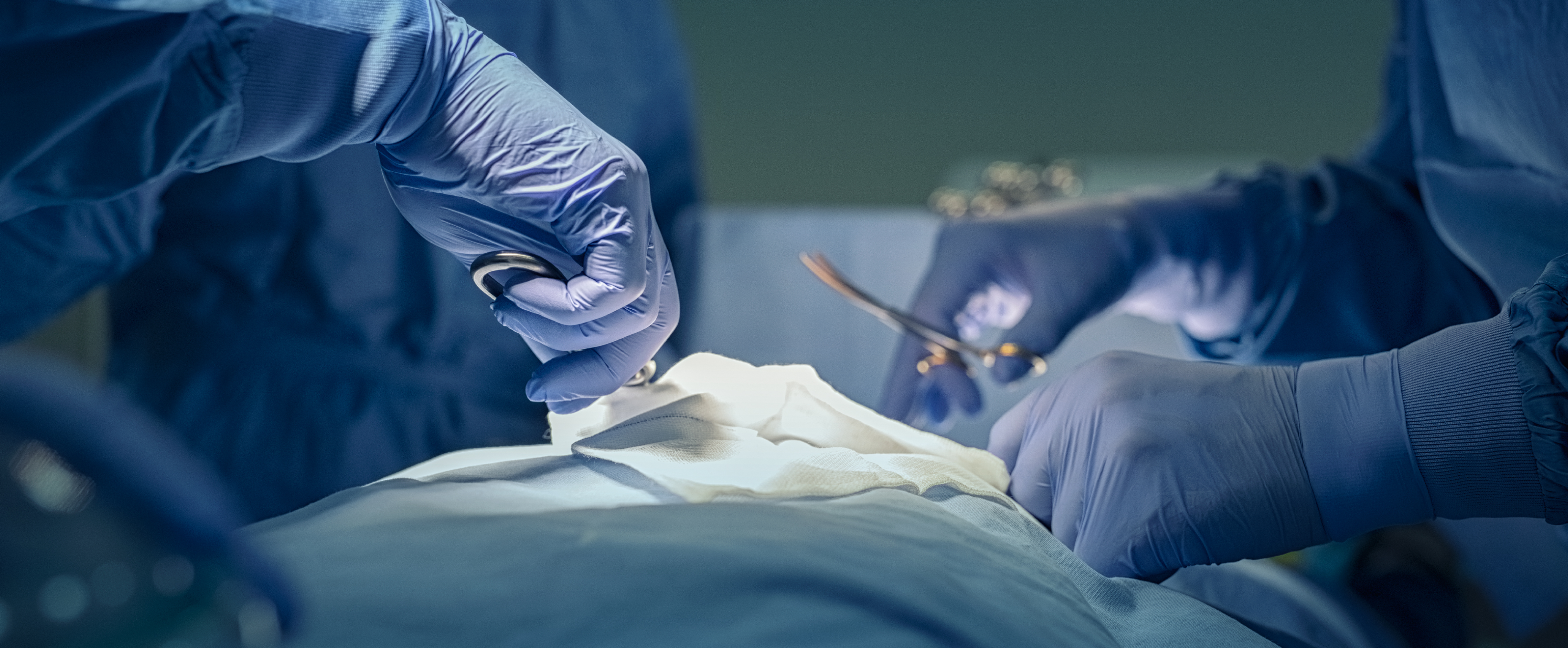
Laparoscopic surgery has changed how many abdominal and general surgical conditions are treated. Also called keyhole surgery or minimally invasive surgery, the technique uses small incisions and a camera to allow the surgeon to view and operate inside the body.
For patients looking for a laparoscopic surgery specialist in Dubai, understanding the procedure is only one part of the decision. The type of surgery, the surgeon’s experience, the patient’s condition and the appropriate surgical setting all matter.
This guide explains when laparoscopic surgery may be recommended, which procedures can be performed using this approach, what recovery may involve and how to choose the right surgical specialist.
What is laparoscopic surgery?
Laparoscopic surgery is a minimally invasive surgical technique performed through small abdominal incisions. Instead of making one large incision, the surgeon inserts a laparoscope, a thin instrument with a camera, through a small opening. Additional small incisions may be used to introduce surgical instruments.
The camera provides an enlarged view of the surgical area on a monitor, allowing the surgeon to perform the procedure with specialized instruments.
Laparoscopic surgery is commonly used for several abdominal and general surgery procedures.
What does a laparoscopic surgery specialist in Dubai treat?
The exact procedures offered depend on the surgeon’s training and the patient’s condition.
Common laparoscopic procedures include:
- Laparoscopic gallbladder surgery for symptomatic gallstones and certain gallbladder conditions
- Laparoscopic hernia repair for selected inguinal, umbilical and other abdominal wall hernias
- Laparoscopic appendectomy for many cases of acute appendicitis
- Laparoscopic gastrointestinal surgery for selected stomach and intestinal conditions
- Other minimally invasive abdominal procedures when clinically appropriate
At HealthHub Clinics, General Surgery services include conditions such as hernias, gallbladder disease and acute appendicitis, with laparoscopic techniques used where appropriate.
Why is laparoscopic surgery sometimes preferred over open surgery?
The choice between laparoscopic and open surgery depends on the condition, previous surgeries, anatomy, severity and overall health.
When laparoscopic surgery is suitable, potential advantages can include:
- Smaller surgical incisions
- Less tissue disruption
- Reduced postoperative discomfort in many procedures
- Smaller scars
- Earlier mobility
- Faster return to normal activities for many patients
However, laparoscopic surgery is not automatically the right option for every patient. A surgeon must assess the individual condition before recommending the surgical approach.
What are the most common laparoscopic surgeries in Dubai?
Laparoscopic gallbladder surgery
Laparoscopic cholecystectomy is commonly used to remove the gallbladder when gallstones or gallbladder disease cause recurrent symptoms or complications.
The surgeon makes small incisions, inserts a camera and uses specialized instruments to remove the gallbladder.
Laparoscopic hernia repair
Some abdominal and groin hernias can be repaired using minimally invasive techniques.
During laparoscopic hernia repair, the surgeon uses small incisions and a camera to access the affected area. Mesh may be used to reinforce the weakened abdominal wall when appropriate.
Laparoscopic appendectomy
Appendicitis often requires prompt surgical assessment.
For suitable patients, the appendix can be removed laparoscopically through small abdominal incisions. In uncomplicated cases, this approach may support a shorter recovery compared with traditional open surgery.
How do you choose a laparoscopic surgery specialist in Dubai?
Choosing a surgeon should involve more than searching for the phrase “best laparoscopic surgeon.”
Consider the following:
Does the surgeon have relevant laparoscopic experience?
Ask about the surgeon’s experience with the specific procedure you may require. Laparoscopic surgery covers many different operations, so experience with your particular condition matters.
Is the surgeon trained in general and minimally invasive surgery?
Review the surgeon’s qualifications, specialty training and areas of surgical expertise.
Does the surgeon explain both surgical options?
A good surgical consultation should explain whether laparoscopic or open surgery is appropriate and why.
Is the surgical facility suitable for the procedure?
The facility, anaesthesia services, surgical team and postoperative monitoring are important parts of safe surgical care.
Is follow-up care available?
Recovery does not end when the operation is completed. Ask about postoperative instructions, warning signs and follow-up appointments.
What happens during a laparoscopic surgery consultation?
A consultation usually begins with a review of your symptoms, medical history and previous operations.
Depending on the condition, the surgeon may recommend:
- Physical examination
- Blood tests
- Ultrasound or other imaging
- Endoscopy or additional diagnostic testing
- Review of previous medical reports
The surgeon then discusses the diagnosis and whether surgery is appropriate.
If surgery is recommended, the consultation should also cover the planned procedure, anaesthesia, possible risks, recovery and follow-up.
 22+ years of exp