

 22+ years of exp
Languages
English, Hindi, Urdu, Gujarati and Basic ArabicClinics
HealthHub - Barsha Heights
HealthHub - Discovery Gardens
HealthHub - Festival Plaza
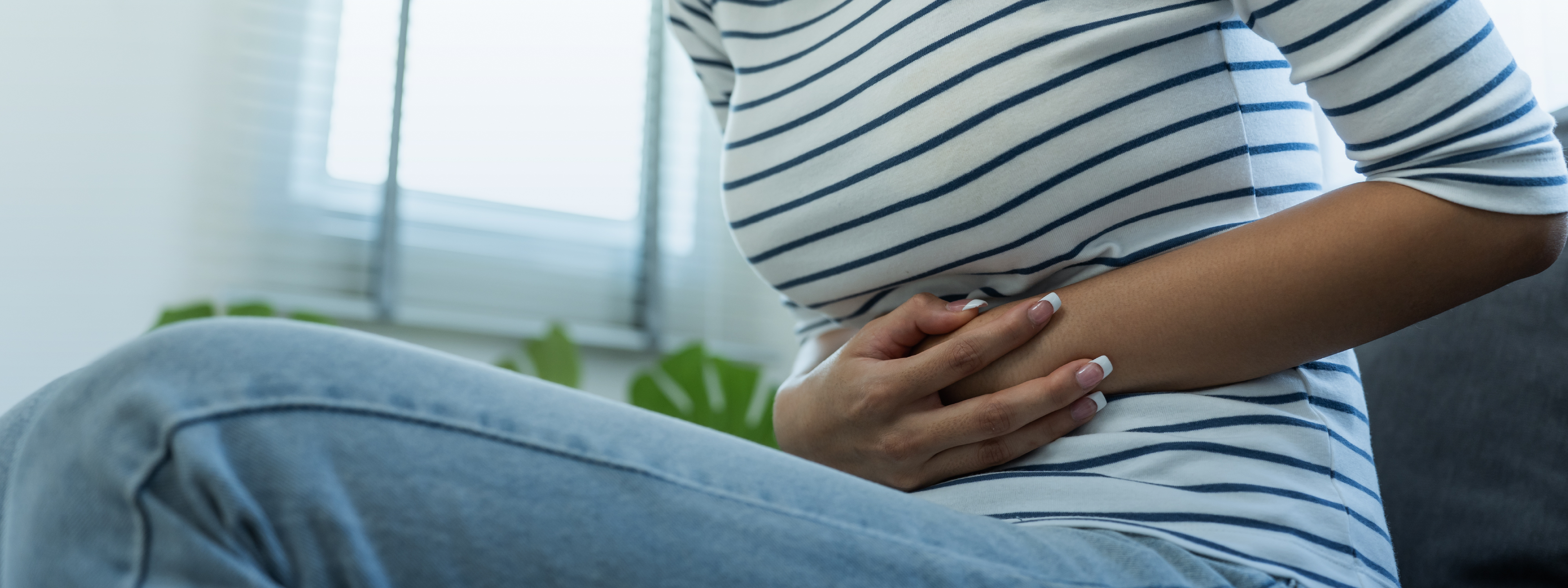
The landscape of healthcare in the United Arab Emirates has undergone a radical transformation over the last few decades. Dubai, in particular, has emerged as a global beacon for medical innovation, attracting top-tier talent and state-of-the-art technology from around the world. At the heart of this medical revolution is the field of general surgery, which has shifted away from the large, invasive incisions of the past toward the precision and elegance of minimally invasive techniques. Laparoscopic surgery in Dubai is no longer just an alternative; it is the gold standard of care for a vast array of medical conditions.
Dr. Sawalmeh ensures that every patient, regardless of their background, feels heard and fully understands every step of their surgical journey. As a Russian speaking doctor in Dubai, he provides a vital link for the large and growing Russian-speaking community in the UAE and for medical tourists from the CIS region. Effective communication is the foundation of trust in the doctor-patient relationship. When a patient can explain their pain, their history, and their fears in their native tongue, the quality of care is inherently elevated.
To appreciate the benefits of laparoscopic surgery in Dubai, one must understand the mechanics of the procedure.

Choosing the right healthcare provider is a crucial decision. At HealthHub by Al-Futtaim, we are committed to being your trusted partner in urological wellness. Here’s why patients across Dubai choose us: Dubai has established itself as a premier destination for medical tourism for several reasons:
•Ischemia: Diabetes also affects the blood vessels, reducing the flow of oxygen-rich blood to the feet, which is essential for healing.
By the time a patient sees a general surgeon in Dubai, they often have a deep ulcer that has reached the bone (osteomyelitis). Dr. Sawalmeh’s surgical expertise in debridement and revascularization is essential for saving the limb.
The field of surgery is no longer about large incisions and long hospital stays. It is about precision, technology, and a deep commitment to patient well-being. Laparoscopic surgery in Dubai offers a pathway to health that is efficient, effective, and minimally disruptive to your life.
Dr. Haitham Sawalmeh, with his extensive expertise, multilingual capabilities, and dedication to advanced surgical techniques, stands at the forefront of this field. Whether you are seeking a life-changing bariatric procedure, a routine hernia repair, or expert care for a complex condition, you can trust that you are in the best possible hands.
Contact HealthHub by Al-Futtaim today to schedule a consultation with one of our expert General Surgeon. Call us at 8002344 or visit our website to find a clinic near you in Dubai.
Connect with our experienced doctors at HealthHub Clinics to learn more or call 800 2344. to book your appointment.
22+ years of exp
HealthHub - Barsha Heights
HealthHub - Discovery Gardens
HealthHub - Festival Plaza