Enhanced Experience
on our Mobile App

Minimally Invasive Surgery in Dubai 2026: Your Complete Guide with HealthHub Clinics

Minimally invasive surgery is reshaping healthcare worldwide and especially here in Dubai. It’s transforming how patients receive surgical treatment by offering less pain, smaller scars, and faster recovery compared to traditional surgery. As a leading healthcare provider in Dubai, HealthHub Clinics is here to guide you through everything you need to know about minimally invasive surgery — from understanding what it is, to how it can benefit you, and how we support you throughout your treatment journey.

Whether you’re considering surgery for gallbladder issues, hernia repair, prostate problems, or other conditions, this guide will help you make informed decisions with confidence and clarity.

What Is Minimally Invasive Surgery?

Minimally invasive surgery (often called MIS) refers to surgical techniques that require only small incisions or natural body openings instead of large cuts. Through tiny openings, highly skilled surgeons use special instruments and cameras to perform precise operations. The goal is to reduce damage to surrounding tissues, lower pain levels, and shorten recovery time.

Unlike traditional open surgery, where a large incision is needed to access the area, MIS typically involves several small cuts no bigger than a centimeter. High-definition cameras relay detailed images to surgeons who operate with fine instruments, or in some cases, robotic assistance.

Thanks to advanced technology, MIS now covers a wide range of procedures in general surgery, urology, gastroenterology, and gynecology — offering a safer, gentler alternative to open surgery for many patients.

How Does Minimally Invasive Surgery Work?

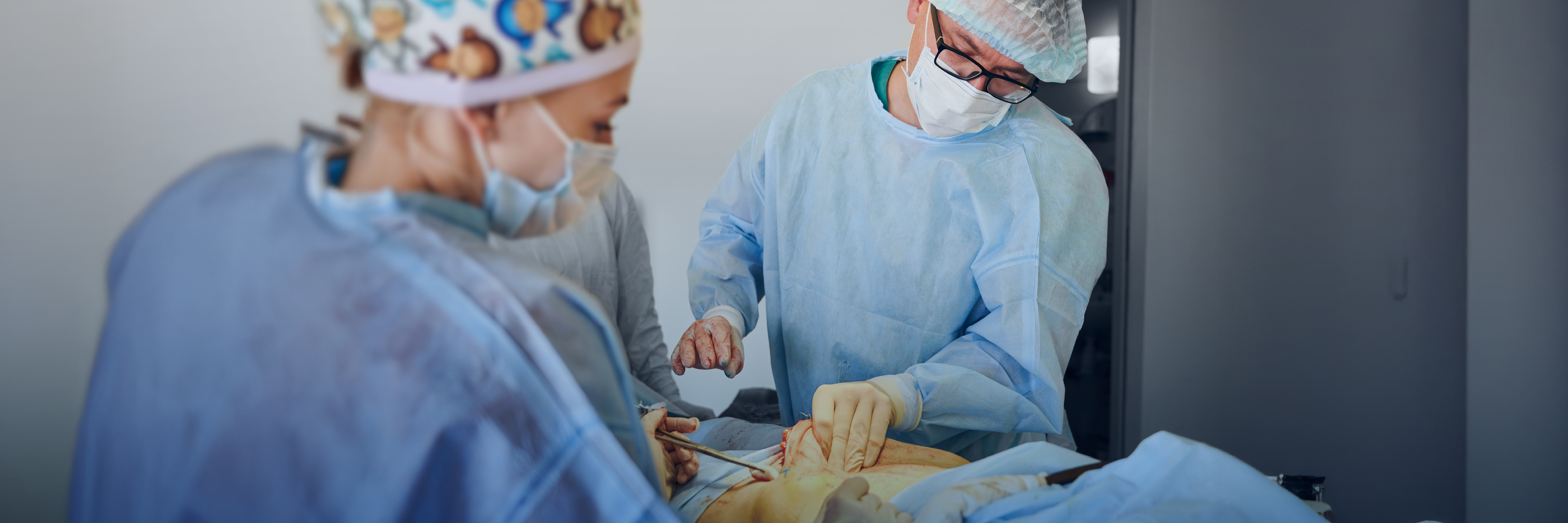
During MIS, your surgeon makes small incisions at strategic points. Through these, a camera (called a laparoscope or endoscope) is inserted, allowing the surgical team to see inside your body in real time on high-definition monitors.


Specialized instruments pass through the other incisions to carry out the surgery. The surgeon controls these tools either manually or with robotic assistance, depending on the procedure.


Robotic systems provide magnified 3D views and instruments with enhanced dexterity, allowing for precise movements in confined spaces. This is especially beneficial in complex surgeries like prostate removal or colorectal surgery. The entire procedure is performed under anesthesia, so you won’t feel pain during the surgery.

Common Types of Minimally Invasive Surgery

At HealthHub Clinics, we partner with top surgical centers in Dubai offering these minimally invasive options:


  1. Laparoscopic Surgery

Laparoscopy is the most common minimally invasive technique. Surgeons insert a laparoscope and small instruments through tiny abdominal incisions. This method is widely used for gallbladder removal, hernia repair, appendix removal, and many gastrointestinal procedures.


  1. Robotic-Assisted Surgery

Robotic surgery enhances the surgeon’s precision using computer-controlled robotic arms. It is frequently used in urology (such as prostate surgery), gynecology, and complex general surgeries.


  1. Endoscopic Procedures

Endoscopy involves inserting a flexible camera through natural body openings like the mouth, anus, or urinary tract to diagnose and treat various conditions, including gastrointestinal or bladder issues, with no external incisions.

Conditions Treated with Minimally Invasive Surgery

HealthHub Clinics sees many patients who benefit from minimally invasive surgery in areas including:

  • Gallbladder Disease: Removal of gallstones or inflamed gallbladders (cholecystectomy)
  • Hernia Repair: Repair of inguinal, umbilical, or incisional hernias
  • Appendicitis: Emergency removal of inflamed appendix
  • Colorectal Disorders: Surgery for diverticulitis, colon cancer, or polyps
  • Urological Conditions: Kidney stone removal, prostate surgeries, bladder treatments
  • Gynecological Issues: Treatment of ovarian cysts, fibroids, and endometriosis


Your HealthHub doctor will carefully assess your symptoms, run diagnostic tests, and guide you through whether minimally invasive surgery is the best option.

Benefits of Minimally Invasive Surgery for Patients

Less Pain and Scarring

Smaller incisions mean less trauma to your body, which results in less pain and scarring compared to traditional surgery.

Faster Recovery and Shorter Hospital Stay

Most patients go home sooner and recover quicker, returning to daily activities and work faster than with open surgery.

Reduced Risk of Infection

Smaller wounds lower the chance of infections and other complications.

Improved Cosmetic Results

Tiny scars are easier to conceal and fade more quickly.

Less Blood Loss and Reduced Need for Transfusions

MIS techniques minimize blood loss, enhancing safety.

What to Expect at HealthHub Clinics Before Surgery

Initial Consultation and Evaluation

Your journey begins with a thorough consultation at HealthHub Clinics. Our experienced doctors will review your medical history, symptoms, and conduct physical examinations.

Diagnostic Testing

We coordinate diagnostic tests such as blood work, ultrasounds, CT scans, or endoscopies at our facilities or trusted partner centers to get a clear picture of your condition.

Personalized Treatment Planning

Once we have all the information, your HealthHub doctor will discuss your options, including whether minimally invasive surgery is suitable. We focus on explaining risks, benefits, and recovery expectations clearly so you can make informed choices.

Surgical Referral and Coordination

If surgery is needed, HealthHub Clinics will refer you to top surgical centers with expert surgeons specializing in minimally invasive techniques. We assist you in scheduling surgery and provide ongoing support.
What Happens During Minimally Invasive Surgery?

  • You’ll arrive at the surgical center on the day of your procedure.
  • Anesthesia will be administered to ensure you are pain-free and comfortable.
  • The surgeon will make small incisions and use laparoscopes, endoscopes, or robotic tools to perform the surgery.
  • Surgery duration varies depending on the procedure, typically shorter than open surgery.
  • You’ll be monitored closely as you wake up from anesthesia.

Post-Surgery Recovery and Support from HealthHub Clinics

Early Recovery Phase

After surgery, you may experience mild discomfort and fatigue, which is expected. Pain is managed with medications prescribed by the surgical team.

Wound Care and Activity

Your HealthHub doctor will advise you on how to care for your surgical sites, including hygiene and signs of infection to watch for. Light walking is encouraged early to promote circulation, but heavy lifting and strenuous activities should be avoided for several weeks.

Follow-Up and Monitoring

HealthHub Clinics will schedule follow-ups to monitor your recovery, manage any side effects, and coordinate with your surgeon as needed.

Lifestyle Guidance

We provide advice on diet, exercise, and habits to support healing and prevent complications.

Potential Risks and How We Help You Minimize Them

Minimally invasive surgery is safe, but like all surgeries, it carries some risks such as bleeding, infection, or organ injury.

HealthHub Clinics ensures you are fully informed and prepared to minimize risks. We partner only with accredited surgical centers adhering to strict safety protocols.

Early recognition of any problems is vital, so we maintain close contact with you during recovery to address concerns promptly.

Why Choose HealthHub Clinics for Your Surgical Care?

  • Experienced Multidisciplinary Team: Our doctors have expertise in diagnosis, treatment planning, and coordination across specialties.
  • Personalized Care: We tailor recommendations to your unique health needs and preferences.
  • Seamless Coordination: We streamline referrals and communication between you and specialist surgeons.
  • Patient Education: We provide clear, understandable information to empower you throughout your health journey.
  • Accessible Locations: HealthHub Clinics offers convenient locations across Dubai for your consultations and follow-ups.

Insurance and Cost Considerations in Dubai

Health insurance in Dubai often covers minimally invasive surgery when medically necessary. HealthHub Clinics can assist you in understanding your coverage, obtaining pre-authorizations, and exploring payment options.

Choosing minimally invasive surgery may reduce costs related to longer hospital stays and complications, making it a cost-effective option in many cases.

Frequently Asked Questions (FAQs)

Is minimally invasive surgery painful?
Most patients report less pain than with traditional surgery due to smaller incisions.


How soon can I return to work?
Recovery times vary, but many patients resume normal activities within one to three weeks.


Are all surgeries done minimally invasively?
Not always; suitability depends on your condition, anatomy, and surgeon’s judgment.


Will I have scars?
Yes, but they are much smaller and heal faster compared to open surgery.


What if I have complications?
HealthHub Clinics and your surgical team monitor closely to detect and treat any issues early.

Book Your Consultation at HealthHub Clinics Today

If you are experiencing symptoms that may require surgery or want to learn more about minimally invasive options, book a consultation at HealthHub Clinics. Our expert doctors will provide a thorough evaluation and guide you toward the best treatment path, helping you take control of your health with confidence.

Health Hub in Dubai Best medical center

Why Choose HealthHub Clinics?

  • Extensive Experience
  • Advanced Facilities
  • Affordable premium services
  • Trusted Al-Futtaim brand

Connect with our experienced doctors at HealthHub Clinics to learn more or call 800 2344. to book your appointment.

Post Image 20+ years of exp

Article Reviewed by

Dr. Haitham Sawalmeh

Consultant General Surgeon

no text found

Languages
Arabic, English and Russian.
Clinics

HealthHub Day Surgery - Festival City