What Should Patients Know About Colonoscopy and Colon Health?
What Is a Colonoscopy and What Does It Examine?
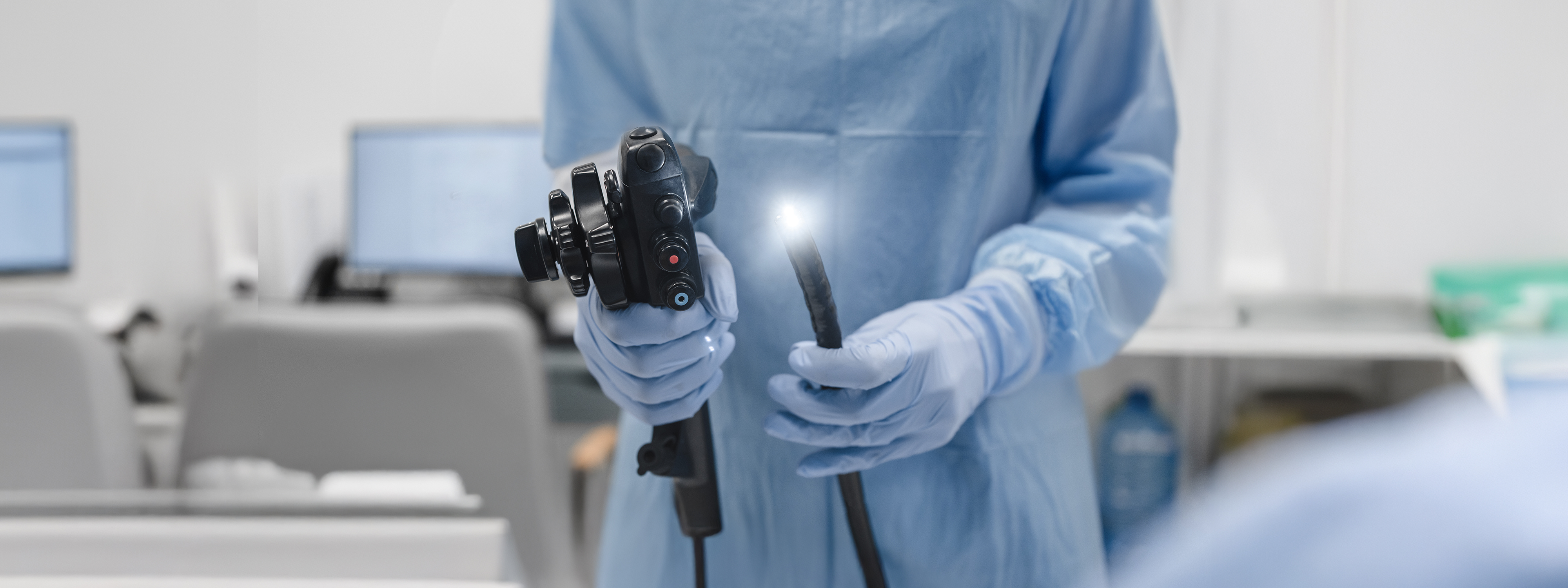
A colonoscopy is a procedure used to examine the lining of your large intestine (colon) and rectum . During the examination, a long, flexible tube called a colonoscope—equipped with a tiny video camera and light—is gently inserted through the rectum . This allows your gastroenterologist to view the entire inside of your colon in full color .
Think of it as a highly detailed internal inspection that can:
- Detect inflamed tissues, ulcers, and abnormal growths
- Identify and remove polyps before they become cancerous
- Investigate symptoms like abdominal pain, bleeding, or changes in bowel habits
- Take tissue samples (biopsies) for laboratory analysis
The technology has advanced remarkably. At our Endoscopy clinic Dubai patients trust, we use advanced imaging techniques for precise evaluation of the colon, ensuring nothing is missed .
Who May Need a Colonoscopy and Why?
You might need a colonoscopy for several reasons:
Screening (Even Without Symptoms)
If you’re 50 years or older and have an average risk of colon cancer, your doctor may recommend a colonoscopy every 10 years . Some guidelines now suggest starting even earlier, particularly if you have risk factors. Regular screenings help prevent future health complications by catching issues early .
Investigating Symptoms
Your doctor may recommend a colonoscopy to investigate:
- Unexplained abdominal pain
- Rectal bleeding or blood in your stool
- Chronic diarrhea or constipation
- Unexplained weight loss
- Sudden changes in bowel habits
Follow-up
If you’ve had polyps before, your doctor may recommend a follow-up colonoscopy to check for new polyps and remove them .
How Should You Prepare for a Colonoscopy?
Proper preparation is essential—it determines how well your doctor can see your colon. While it’s often described as the most challenging part, knowing what to expect makes it manageable.
Dietary Restrictions
The day before your procedure, you’ll need to follow a special diet . This typically includes:
- Clear liquids only: water, clear broth, pulp-free juice, tea or coffee without milk
- Sports drinks and plain gelatin (avoid red colors, which can be confused with blood during the procedure)
- Absolutely no solid food
Bowel Preparation (The “Prep”)
You’ll take a strong laxative, usually in the evening before your procedure and sometimes again the morning of . This medicine cleans out your colon completely—it’s necessary for a safe and effective examination .
Medication Adjustments
Inform your doctor about all medications you take, especially:
- Blood thinners
- Diabetes medications
- Iron supplements
- Any over-the-counter drugs
Your doctor will advise you on any necessary adjustments.
What Happens Before, During, and After a Colonoscopy?
The procedure itself is typically quick and comfortable :
Before the Procedure
You’ll change into a hospital gown. Most patients receive sedation through an IV—you’ll be deeply relaxed or asleep throughout the procedure and won’t experience pain . Our expert anesthesiologists carefully monitor you throughout .
During the Procedure
- You’ll lie on your side with your knees drawn toward your chest
- The doctor gently inserts the lubricated colonoscope
- Carbon dioxide is used to inflate the colon slightly for better visualization
- The scope is guided through the entire length of your colon
- If polyps are found, they’re usually removed during the procedure (polypectomy)
- Tissue samples may be taken for biopsy
The entire procedure typically takes 25-30 minutes .
What Should You Expect After a Colonoscopy?
You’ll recover for about an hour as the sedation wears off . Because of the sedation, you cannot drive yourself home—arrange for a friend, family member, or taxi .
Common after-effects include:
- Mild bloating or gas (walking helps)
- Small amount of blood with first bowel movement (usually not concerning)
You’ll receive your results before leaving. If biopsies were taken or polyps removed, those results take a few days .
How Are Colonoscopy Results Interpreted?
Negative Result: No abnormalities found. Your doctor will recommend your next screening interval based on your risk factors—typically 10 years for average-risk patients .
Positive Result: Polyps or abnormal tissue were found. Removed polyps are sent to a lab for analysis to determine if they’re cancerous, precancerous, or benign . Your follow-up schedule depends on:
- Number and size of polyps
- Pathology results
- Your personal risk factors
 20+ years of exp