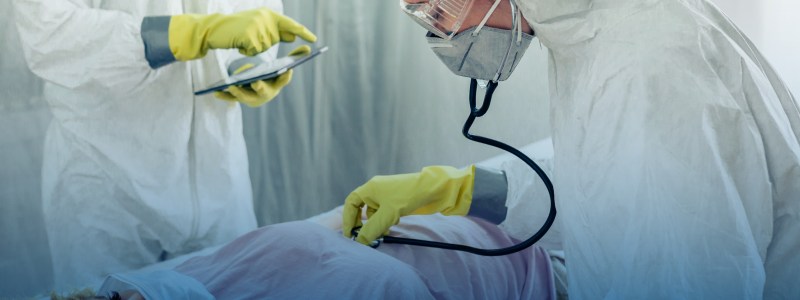
What You Need to Know About Ebola and Hanta Virus
Viral outbreaks can feel scary. The news often focuses on the worst-case scenarios. But knowledge is your best defense. Understanding how these viruses spread and what actually protects you gives you real peace of mind.
This guide breaks down everything about Ebola and Hanta virus in simple terms. We focus on facts, not fear. Our information comes from trusted health organizations like the World Health Organization and CDC.
Ebola: The Facts You Should Know
Ebola is a rare disease. It makes headlines because it is serious, but serious does not mean common. Most people will never encounter it.
The virus was first discovered in 1976. Since then, outbreaks have happened in specific regions of Africa. Modern health systems contain outbreaks quickly. Treatment has improved dramatically over the years.
How Does Ebola Spread?
This is the most important part to understand. Ebola spreads only through direct contact with blood or body fluids.
You cannot catch Ebola by:
- Shaking hands with someone
- Breathing the same air
- Sharing food or water
- Using the same bathroom
- Hugging or casual touch
These are common fears, but they are not how the virus works. The virus needs direct access to your bloodstream or mucous membranes.
You can only catch Ebola if:
- You have direct contact with blood from an infected person
- You touch body fluids like saliva or sweat from someone who is very sick
- You handle materials contaminated with these fluids without protection
Healthcare workers and caregivers face higher risk. That is why they wear protective gear during outbreaks.
Recognizing Ebola Symptoms
Symptoms appear 2 to 21 days after exposure. Early signs include:
- Sudden fever (over 38.3 degrees Celsius or 101 degrees Fahrenheit)
- Weakness and muscle pain
- Headache and fatigue
Later symptoms may include:
- Rash on the chest and back
- Vomiting and diarrhea
- Bleeding or bruising
- Organ problems
Important: These symptoms resemble many common illnesses like flu. Do not panic if you feel sick. See a doctor. They can test you and help you properly.
Early medical care improves survival rates significantly. Modern treatment focuses on supporting the body and managing symptoms.
Hanta Virus: What You Should Understand
Hanta virus is different from Ebola. It spreads through rodents, not person-to-person. Understanding this difference is crucial for protection.
The virus lives in the droppings, urine, and saliva of infected rodents. Mainly deer mice carry it in North America. Other rodents carry different versions in other parts of the world.
How Does Hanta Virus Spread?
You catch Hanta virus by inhaling dust from infected rodent droppings. This can happen when:
- Cleaning areas where rodents have lived
- Working in closed spaces with rodent infestations
- Disturbing nests or contaminated materials
Person-to-person spread is extremely rare. You will not catch it from someone else who has it.
Hanta Virus Symptoms
Symptoms appear 1 to 8 weeks after exposure. They start like the flu:
- Fever and chills
- Muscle aches
- Headache and fatigue
Severe cases progress to:
- Coughing and shortness of breath
- Chest discomfort
- Nausea and vomiting
If you have been exposed to rodent droppings and develop these symptoms, seek medical care immediately.
How to Protect Yourself: Practical Steps
Protection does not require expensive equipment or complicated routines. Simple habits work well.
Daily Protection Habits
Wash your hands regularly. This stops most viruses cold. Wash before eating, after using the bathroom, and after touching animals. Use soap and clean running water. Wash for at least 20 seconds.
Cover cuts and wounds. Even small breaks in your skin need protection. Use bandages or plasters. Change them when wet or dirty.
Practice respiratory hygiene. Cover your cough with your elbow, not your hands. Stay home when you are sick.
Avoid contact with sick people. This simple rule protects everyone. Wait until you or others are feeling better.
Specific Protection for Each Virus
Ebola Prevention:
- Avoid areas with known outbreaks (check official health updates)
- Do not handle animals that could carry the virus
- Follow health guidance in affected regions
- Seek medical care immediately if you think you have been exposed
Hanta Virus Prevention:
- Seal cracks and holes in your home
- Keep rodents out of living spaces
- Use traps rather than poison (to avoid dust when cleaning)
- Never touch dead rodents directly
- Wear gloves and a mask when cleaning areas with rodent droppings
- Keep your home clean and remove food sources
When to See a Doctor
Seek medical care if you:
- Develop fever, muscle aches, and weakness
- Were in an area with a known outbreak
- Were exposed to rodent droppings
- Have symptoms that worry you
Doctors can test you, provide treatment, and give proper care. Early attention improves outcomes.
Why Skin Cancer Awareness Matters in the UAE
The United Arab Emirates receives more than 3,500 hours of sunshine annually – one of the highest rates in the world. While this glorious climate is part of what makes Dubai such a vibrant city to live and work in, it also creates a unique and significant risk for skin damage and, over time, skin cancer.
Skin cancer is the world’s most commonly diagnosed cancer. In the MENA region, rising outdoor activity, increased UV exposure awareness gaps, and underreporting have made it a growing public health priority. Worryingly, many cases in the UAE are identified at more advanced stages than necessary – simply because early warning signs were missed or dismissed.
The good news? Skin cancer, when detected early, has an exceptionally high survival rate. This is precisely why Skin Cancer Awareness Month matters – and why making time for a professional skin check at a trusted clinic in Dubai could be one of the most important health decisions you make this year.
Understanding Skin Cancer: The Three Most Common Types
Skin cancer occurs when DNA damage in skin cells – most often triggered by ultraviolet (UV) radiation from the sun or tanning beds – causes those cells to grow and divide uncontrollably. There are three primary types to be aware of:
1. Basal Cell Carcinoma (BCC)
The most common form of skin cancer, BCC typically appears as a flesh-coloured or slightly pearlescent bump, a flat scar-like lesion, or a pinkish patch of skin. It rarely spreads to other parts of the body but can cause significant local damage if left untreated. Long-term UV exposure is the leading cause.
2. Squamous Cell Carcinoma (SCC)
SCC is the second most common type. It often presents as a firm red nodule, a flat lesion with a scaly, crusted surface, or a new sore on an old scar. SCC can spread to other tissues, organs, and lymph nodes if not addressed promptly, making early diagnosis critical.
3. Melanoma
Though less common, melanoma is the most serious form of skin cancer. It develops in the cells that give skin its colour (melanocytes) and can appear anywhere on the body – even in areas rarely exposed to the sun. Melanoma is particularly dangerous because of its tendency to spread rapidly to other organs. The encouraging fact is that caught early, it is highly treatable.
Recognising the Warning Signs: The ABCDE Rule
At HealthHub Clinics, we routinely educate our patients on the ABCDE rule – a practical, easy-to-remember tool for self-examination:
- A – Asymmetry: One half of a mole or spot doesn’t match the other
- B – Border: Edges are irregular, ragged, notched, or blurred
- C – Colour: Uneven colour with shades of black, brown, tan, red, white, or blue
- D – Diameter: A spot larger than 6mm (roughly the size of a pencil eraser), though melanomas can be smaller
- E – Evolving: Any change in size, shape, colour, or new symptoms like bleeding or itching
If any spot, mole, or patch on your skin checks one or more of these boxes, do not wait. Book a consultation with our dermatology team immediately.
Who Is at Risk? Sun Exposure in Dubai’s Climate
While no one is immune to skin cancer, certain factors increase the risk considerably. Living in Dubai elevates the baseline risk for everyone, but the following groups require particular vigilance:
- Fair-skinned individuals who burn easily or have a history of sunburn
- Outdoor workers – construction, sports, hospitality, and landscaping professionals who spend extended hours in direct sunlight
- Expatriates relocating from cooler climates who may underestimate the UV intensity in the UAE
- Children and adolescents, whose skin is more sensitive and whose cumulative lifetime UV exposure begins early
- People with a personal or family history of skin cancer, many moles, or weakened immune systems
- Those who use tanning beds, which emit UV radiation at intensities far exceeding natural sunlight
It is worth noting that skin cancer does not discriminate by skin tone. While those with deeper complexions have more natural UV protection, they can still develop skin cancer – and are sometimes diagnosed later because of delayed recognition.
Prevention: Sun Safety Habits for Life in Dubai
Prevention is at the core of our philosophy at HealthHub Clinics. The following evidence-based sun protection habits are recommended year-round in the UAE:
- Apply broad-spectrum SPF 30+ sunscreen daily – on all exposed skin, including the face, neck, hands, and ears. Reapply every two hours when outdoors.
- Seek shade between 10am and 4pm, when UV radiation is at its strongest in Dubai.
- Wear protective clothing – lightweight, long-sleeved shirts, wide-brimmed hats, and UV-protective sunglasses are your allies.
- Avoid deliberate tanning and never use tanning beds or sunlamps.
- Perform monthly self-examinations – check your skin from head to toe in good lighting and take note of any new or changing spots.
- Schedule annual professional skin screenings, particularly if you have elevated risk factors.
These habits take minutes but can have a lifetime of impact.
 33+ years of exp