 11+ years of exp
 Languages
Arabic, English, TurkishClinics
HealthHub - Al Warqa



Good digestive health is the foundation of overall well being. When it’s compromised, it can affect more than just your stomach. At HealthHub Clinics, our experienced gastroenterologists at our Gastroenterology Clinic in Dubai specialize in treating a wide range of conditions affecting the pancreas, liver, gallbladder, esophagus, stomach, small intestine, and colon. From common digestive issues to complex conditions, we provide the care and expertise needed to restore and maintain your gut health.
At HealthHub, we provide advanced colorectal screening to ensure timely diagnosis and effective treatment. Our skilled team uses state-of-the-art diagnostic tools to detect potential issues early, allowing for better outcomes. Regular screenings are key to maintaining optimal digestive health and preventing serious complications.
What should I expect during a colonoscopy, and when is it recommended?
Why is early colorectal cancer screening important for adults?
 11+ years of exp
 HealthHub - Al Warqa
 20+ years of exp
 HealthHub - Silicon Oasis
HealthHub - Jumeirah Village Circle
HealthHub - Arabian Center
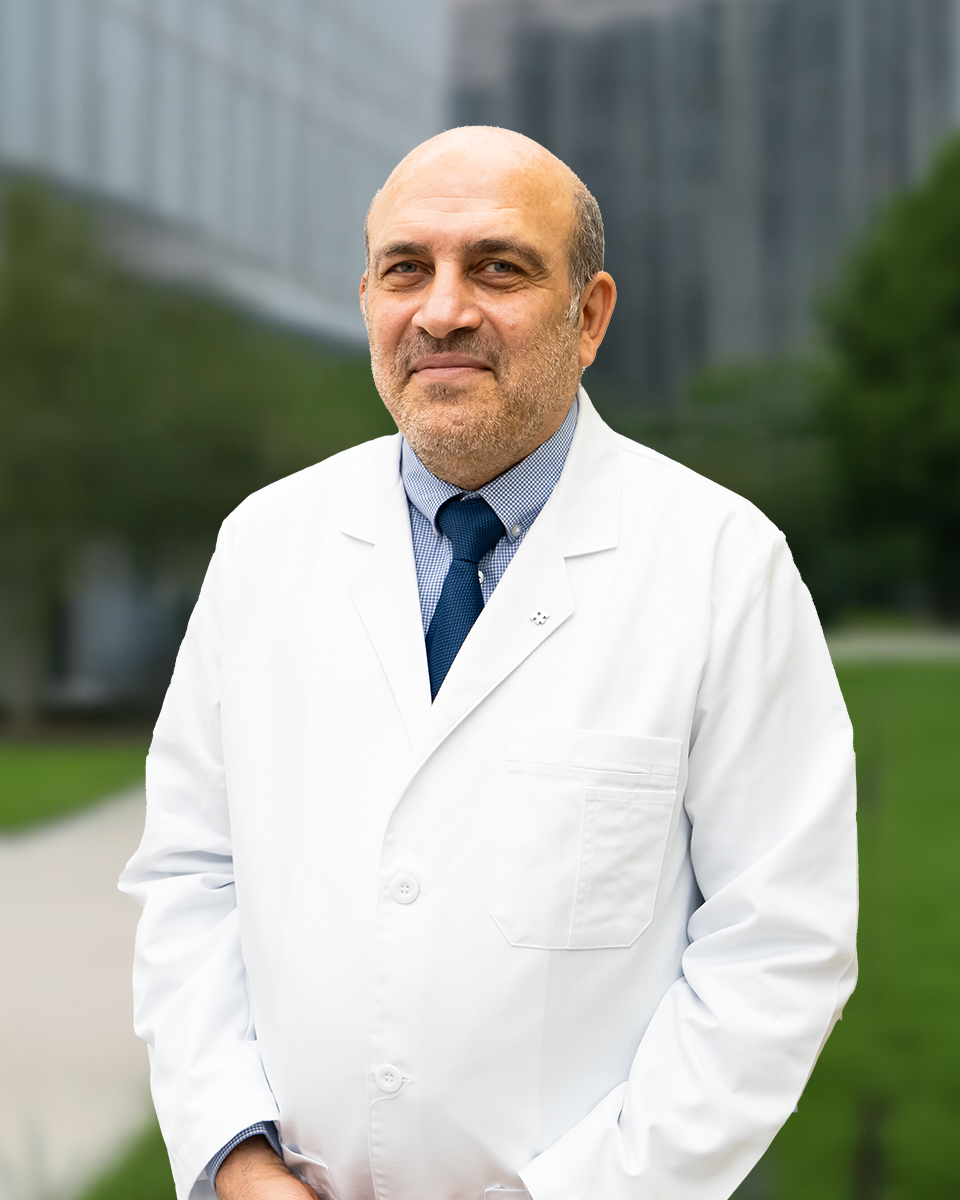 30+ years of exp
 HealthHub - Jumeirah Village Circle
HealthHub - Discovery Gardens
 16+ years of exp
 HealthHub Day Surgery - Festival City
HealthHub - Al Qusais
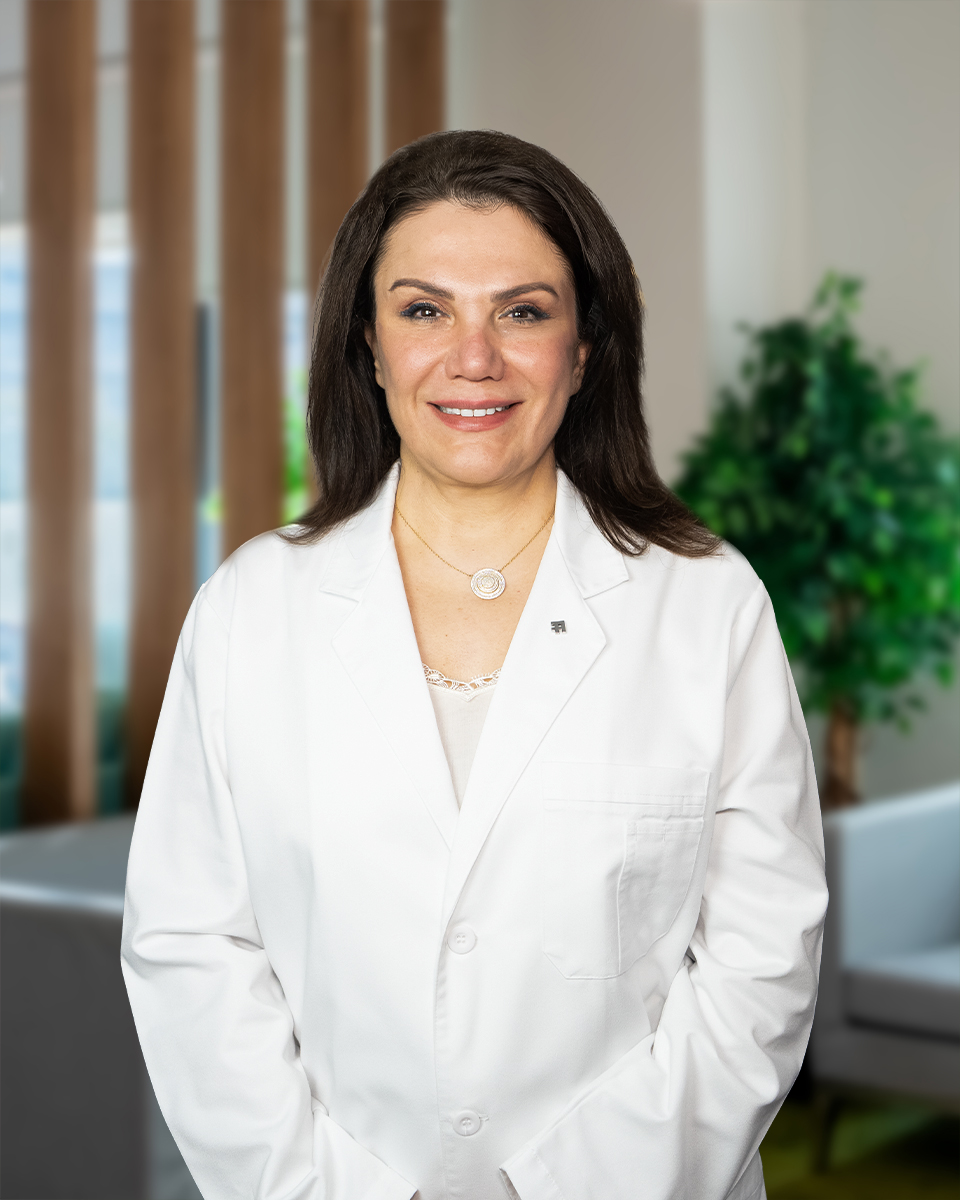 36+ years of exp
 HealthHub Day Surgery - Festival City
HealthHub - Arabian Center
 24+ years of exp
 HealthHub - Silicon Oasis

Drink clear fluids like water and avoid coffee, tea, and alcohol. When you can eat, start with clear liquids and progress to bland foods like crackers, rice, bananas, or toast. Visiit a doctor for an accurate diagnosis and treatment plan.
A gastroenterologist is the specialist who diagnoses, treats, and manages conditions related to the digestive system, providing both preventive care and specialized treatments for conditions like colitis, IBS, colon polyps, peptic ulcers etc.
GERD can be managed with lifestyle changes such as avoiding trigger foods, eating smaller meals, and elevating the head during sleep. Medications like proton pump inhibitors (PPIs) may also be prescribed.
Peptic ulcers are often caused by an infection with Helicobacter pylori bacteria or the use of nonsteroidal anti-inflammatory drugs (NSAIDs). Treatment typically involves antibiotics and medications to reduce stomach acid.
Early signs of colorectal cancer can include changes in bowel habits, rectal bleeding, and unexplained weight loss.