

When the UAE witnessed its largest rainfall in 75 years on 16th April 2024, it wasn’t just the alarming damage to life and property that made headlines — it was the aftermath of illnesses that came with it, from flu and diarrhea to allergic conjunctivitis. To help you recognize, treat, and prevent this common eye condition, our expert ophthalmologists at HealthHub Clinics by Al-Futtaim in Dubai have answered the questions patients ask most.
What Is Conjunctivitis (Pink Eye)?

Does your eye feel redder than a tomato? Does it feel heavier than usual? You might be experiencing conjunctivitis. Often called “pink eye,” conjunctivitis is one of the most common and painful eye diseases occurring in children and adults. Simply put, it is an inflammation of the moist tissue lining your eyelids and the white part of your eyeball.
According to our best eye doctor in Dubai, the main causes are viruses, bacteria, and allergens. Irritants such as shampoo, dirt, clouds of smoke, and chlorine from the pool can also trigger allergic eye diseases. What really matters is knowing whether your conjunctivitis is caused by allergies or infection, since the two demand different treatments.
Is Conjunctivitis Contagious?
It depends on the type. Allergic conjunctivitis is not contagious. However, bacterial and viral conjunctivitis can spread easily through direct contact with infected individuals or contaminated surfaces. This is especially concerning in school settings, where proper hygiene practices are crucial in preventing the spread of infectious conjunctivitis.
What Are the Symptoms of Allergic Conjunctivitis?
Look for these symptoms:
- Continuous flow of tears
- Blood-red appearance on the whites of your eyes and inner eyelids
- Itchiness in your eyes and nose
- Periodic sneezing
- Swelling of your eyelids
One noticeable pattern: in allergic conjunctivitis, symptoms are usually present in both eyes, though not equally. If you notice any of these symptoms or if they persist, book an appointment right away with our team of expert ophthalmologists at HealthHub Clinics.
How Do You Treat Allergic Conjunctivitis?
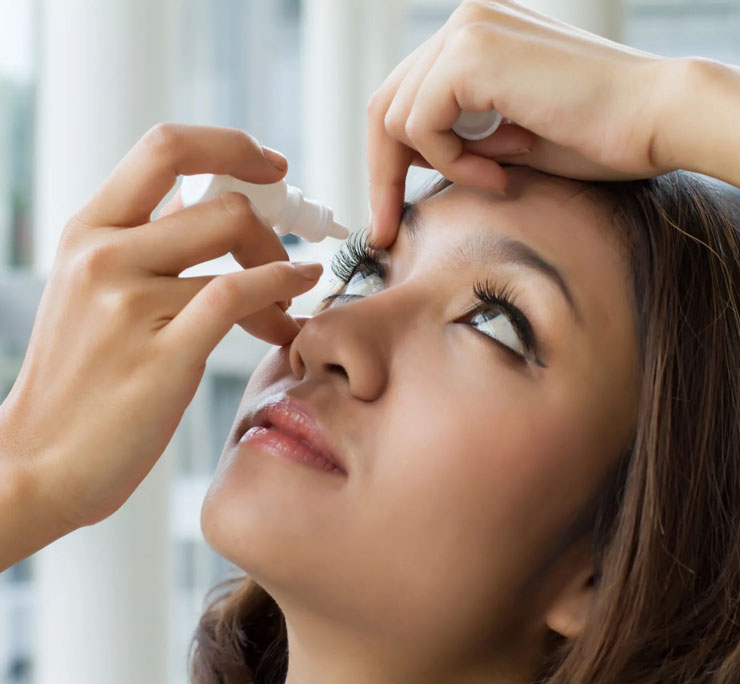
Antihistamines can help cure allergy-associated conjunctivitis and make pink eye disappear altogether. The first line of allergic pink eye treatment is removing the allergens — wearing a hat or protective clothing outside and washing your face frequently during unstable weather. Keep these allergic eye remedies in mind:
- Remove your contact lenses if you are wearing them
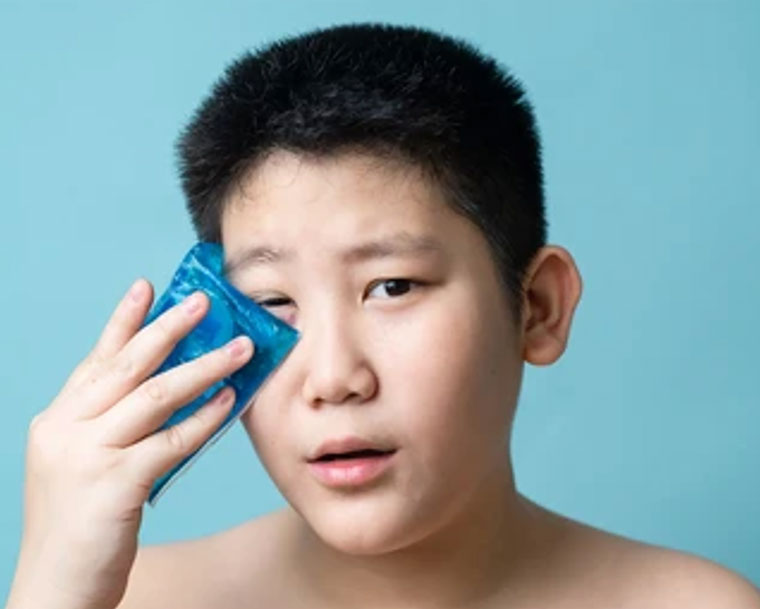
- Place cold compresses or an ice pack over your eyes
- Try over-the-counter eyedrops that may cool the burning and offer relief — but check with our best ophthalmologist in Dubai on which types of eyedrops are right for you, as some may prove counter-reactive. Avoid using the same bottle of eyedrops in the other eye if it isn’t affected
- The best defense is a good offense: avoid the substances that trigger your allergies. Our eye doctors can test your eyes to determine your specific triggers
What Hygiene Tips Help When Treating Allergic Conjunctivitis?
- Avoid touching or rubbing your affected eyes
- Wash your hands often with soap and warm water
- Wash your bed linens, pillowcases, and towels in hot water and detergent to reduce allergens — everyday objects can carry irritants where you’d least expect
- Minimize eye makeup, and never share your eyecare kit with anyone else
- Avoid using another person’s contact lenses
- Use glasses wherever possible instead of contact lenses to reduce irritation
- Always wash your hands before applying eyedrops or ointment to your eye or your child’s eye
- Avoid using ophthalmic drops for allergic conjunctivitis that were previously used in an infected eye
Why Is Allergic Conjunctivitis Worse in the Gulf Region?
Our top eye specialist in the UAE explains that while allergy sufferers know the classic symptoms — itchy, red, watery eyes — managing allergic conjunctivitis in the Gulf presents a distinct set of environmental and lifestyle factors that can intensify the condition:
The impact of dust and sand

The arid climate, coupled with periodic dust storms, poses a major challenge. Dust and sand particles act as direct irritants and can also transport significant amounts of pollen and other allergens. Protective eyewear becomes essential, particularly during periods of increased airborne irritants.
Indoor considerations: air conditioning and fragrances:
While air conditioning provides welcome respite from the heat, its dehumidifying effect can worsen eye dryness. Humidifiers and diligent maintenance of AC systems are strongly recommended. The prevalent use of potent fragrances in perfumes, detergents, and incense should also be carefully considered by those prone to allergic sensitivities.
The importance of reducing eye strain

Extended screen time can intensify the discomfort of allergic conjunctivitis. Regular breaks from screen-based activities — whether scrolling your mobile phone or late-night binge-watching — are crucial for eye health and reducing associated irritation.
When Should You See an Eye Doctor for Conjunctivitis?

While ophthalmic drops for allergic conjunctivitis, cool compresses, and allergen avoidance can manage the condition, some situations make a visit to the ophthalmologist near you essential:
- Unrelenting symptoms: If your eyes remain intensely red, itchy, or produce excessive discharge despite consistent self-care, a more complex issue may be at play – a stronger allergic reaction or even an infection
- Changes in vision: Blurry vision, sensitivity to light, or the appearance of floaters or flashes of light are red flags signalling potentially serious eye conditions that require immediate medical attention
- Other atypical concerns: Swelling around the eyes, eye pain, or signs the condition is spreading beyond the eyes might indicate complications or a different underlying problem
Our team of the best eye doctors in Dubai is well-equipped to dig deeper, perform a proper diagnosis, and differentiate allergic conjunctivitis from more complex conditions:
Severe allergies
Stronger medications may be prescribed, such as prescription-strength antihistamines or even topical steroids for short-term relief in extreme cases.
Bacterial or viral infections
Sometimes an infection complicates an existing allergic reaction. Your doctor can diagnose this and offer appropriate antibiotics or antiviral treatments.
Other eye conditions
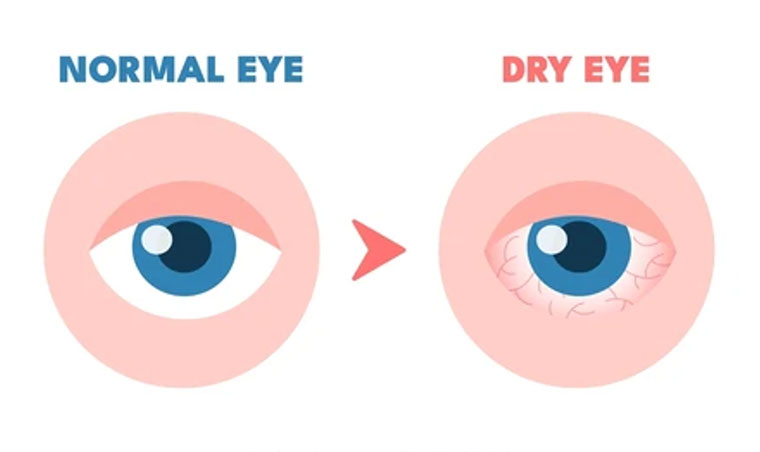
Conditions like dry eye syndrome, blepharitis (eyelid inflammation), or less common issues like iritis (inflammation of the iris) can mimic allergy symptoms. An accurate diagnosis is key for the right treatment.
Seeking professional evaluation for severe or persistent symptoms isn’t just about comfort — it’s about protecting your eye health, as untreated infections or underlying conditions can lead to complications affecting your vision long-term. Allergic conjunctivitis management in the Gulf includes:
Proactive awareness
Identify your personal triggers, monitor pollen forecasts, and adopt protective measures to minimize flare-ups.
Maintaining hygiene
Regularly cleanse your face and eyelids, and change pillowcases frequently to manage dust mites and other household allergens.
Prioritizing general wellbeing
Adequate hydration, sufficient sleep, and effective stress management can positively influence the body’s response to allergens.


Living with allergic conjunctivitis in the Gulf region requires attentive management — but by understanding the unique challenges of our climate and implementing the right strategies, you can significantly lessen its impact on your quality of life. Book an appointment right away with our team of expert ophthalmologists or talk to our expert eye doctors at HealthHub Clinics on 800 2344.
No. Allergic conjunctivitis is caused by your body’s reaction to allergens such as dust, pollen, or fragrances, so it cannot spread to other people. Bacterial and viral conjunctivitis, however, are highly contagious through direct contact and contaminated surfaces — which is why an accurate diagnosis from an eye doctor matters before assuming which type you have.
Allergic conjunctivitis usually affects both eyes, comes with intense itching, watery tears, sneezing, and an itchy nose, and often flares with dust, pollen, or seasonal triggers. Infectious conjunctivitis more often starts in one eye, may produce thick or sticky discharge, and can follow contact with an infected person. Because the treatments differ completely — antihistamines for allergies versus antibiotics or antivirals for infections — an ophthalmologist should confirm the cause.
Allergic conjunctivitis typically improves quickly once the allergen is removed and antihistamines or appropriate eyedrops are used — often within a few days. However, it can persist or recur for as long as you remain exposed to the trigger, which is common in the Gulf’s dusty climate. If symptoms continue despite consistent self-care, or if you notice vision changes or pain, see an eye specialist promptly.