Mobile App icon
Enhanced Experience
on our Mobile App

How to Give Your Child Better Sleep

We spend nearly one third of our lives asleep. Apart from food and water, sleep provides the fuel for better physical and mental wellbeing – an essential, active, and dynamic physiological process with a critical impact on your child’s health, development, and daytime functioning. To help parents get it right at every age, our paediatricians at HealthHub Clinics by Al-Futtaim in Dubai have answered the questions they hear most often about children’s sleep.

According to the American Academy of Pediatrics, here is the ideal duration of sleep for each age group up to the peak teen years:

AGEMINIMUM SLEEP IN HOURS*RECOMMENDED SLEEP RANGE*USUAL NUMBER OF NAPS*
0-3 months1114-173
4-11 months1012-152
1-2 years911-141
3-5 years810-1350%nil
6-13 years79-1140% once
14-17 years78-10 


Why Is Sleep Important for Children?

Sleep is an essential, active, and dynamic physiological process that has a critical impact on your child’s health, development, and daytime functions, while also improving mood and reducing stress. According to our leading Indian paediatrician in Dubai, cultural and genetic factors are responsible for variations in sleep behaviour — but not in sleep requirements. As your child grows, sleeping patterns and schedules change considerably: newborns have a fragmented “sleep and awake” pattern and need the largest amount of total snooze time, which gradually decreases from infancy through adolescence. Sleep issues that are not tackled at an early age can lead to bigger problems like sleep apnea.


What Happens If My Child Doesn't Get Enough Sleep?


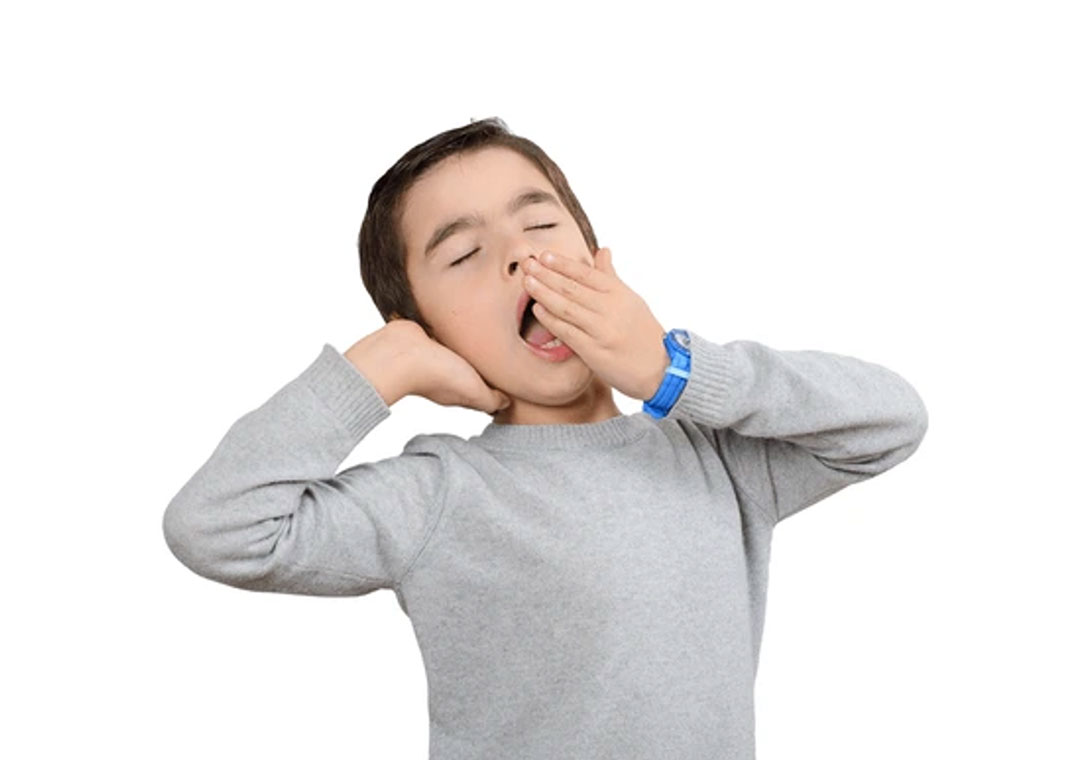
Insufficient sleep leads to poor health. Adverse effects include daytime sleepiness, major mood swings, irritability, behavioural problems, learning difficulties, poor academic performance or work commitment, and an increased likelihood of traffic accidents caused by rash driving among young people. If you’re unsure about the factors behind your child’s troubled sleeping patterns, talk to our team of top-rated paediatricians in Dubai.

How Can I Help My Child Sleep Better?

Establishing regular and efficient sleep hygiene means helping your children develop the right sleep cycle – a fact underlined by our Dubai paediatrics doctors. Two foundations matter most:

Obeying the body clock

Sleeping at the same time every night is a natural way to program your child’s body to “remember” to feel sleepy. During holidays, the difference in sleep time should not be more than an hour.

Improving the sleep environment

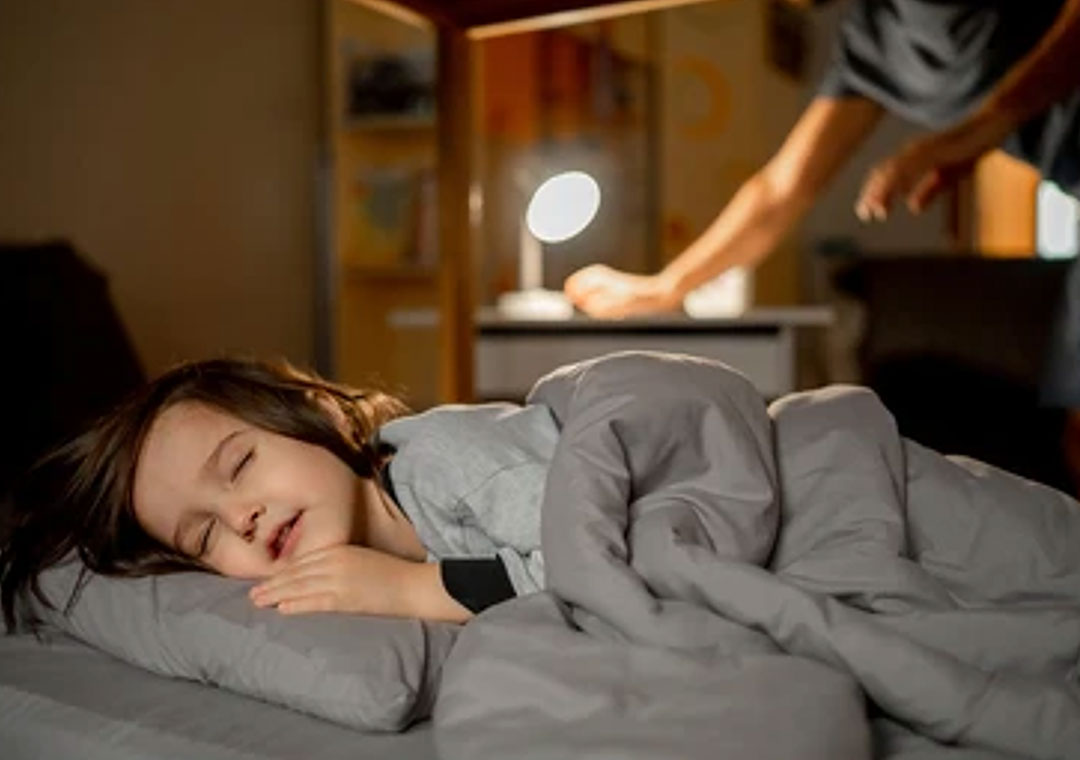
If possible, create a separate room or dedicated area for sleep. Ensure a quiet environment with dimmed lighting, darker curtains, and a comfortable room temperature so your child sleeps without interruptions. Your child’s bed must be comfortable, safe, and away from laptops, TVs, and other digital devices.

How Do I Set Up a Bedtime Routine for My Child?

A consistent sleep routine helps your child settle into an assured, healthy habit. This could include:

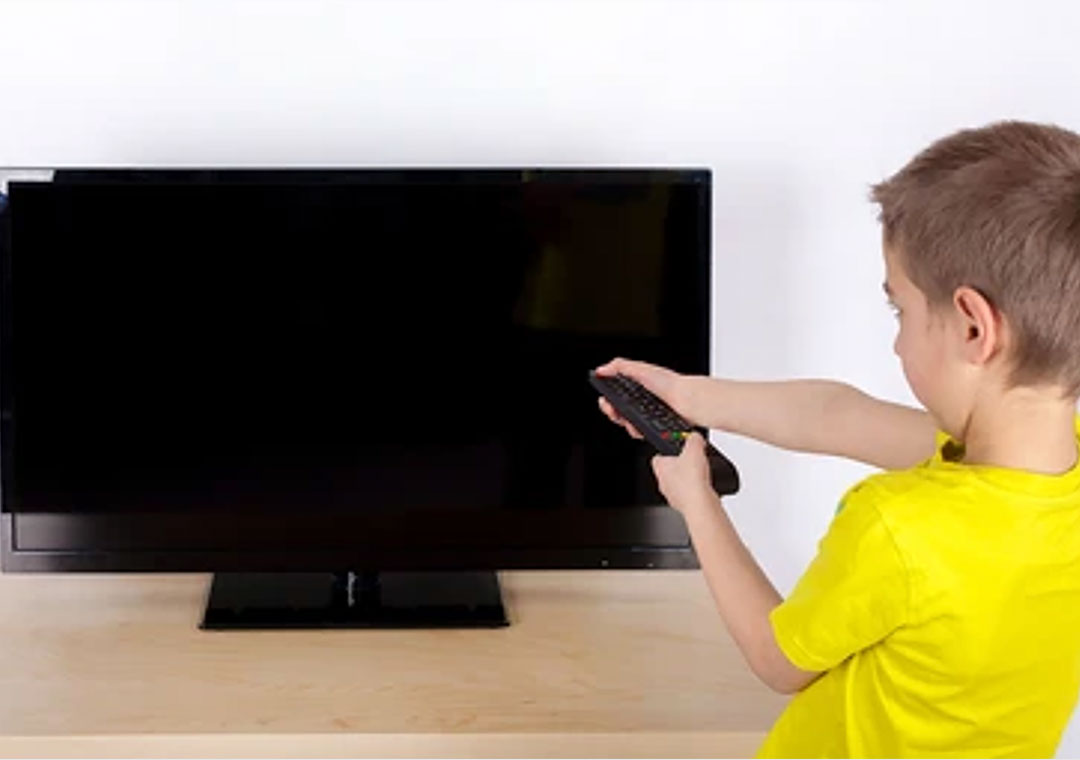
  • Avoiding TV, computers, and video games an hour before sleep time
  • Reading or telling a bedtime story
  • Using earplugs if you can’t control noise
  • A warm bath before bed
  • Avoiding chocolate and caffeinated or sugary drinks at bedtime, replacing them with warm milk

How Can I Help My Baby Settle to Sleep?

Babies need to learn to settle into sleep by themselves, and as a parent you can help:

0–6 months

Hold the baby in your arms until sleep takes over. When putting your baby down in the cot, use a soothing voice or gentle stroking. Alternatively, place the baby gently in the cot when calm and drowsy, and gently stroke until they fall asleep, comforting them with soft sounds.

6 months to 2 years: controlled comforting

The parent leaves the baby before he or she is asleep and waits outside the room, returning briefly (after 2 to 4 minutes) if the baby cries — patting the child without picking them up, then leaving as soon as the child falls quiet and before they fall asleep.

What Are Safe Sleeping Practices for Infants?

Sudden Unexplained Death in Infancy (SUDI) is the term used when an infant dies unexpectedly and no obvious cause is identified. Research shows the chances of SUDI are reduced when safe sleeping practices are followed:

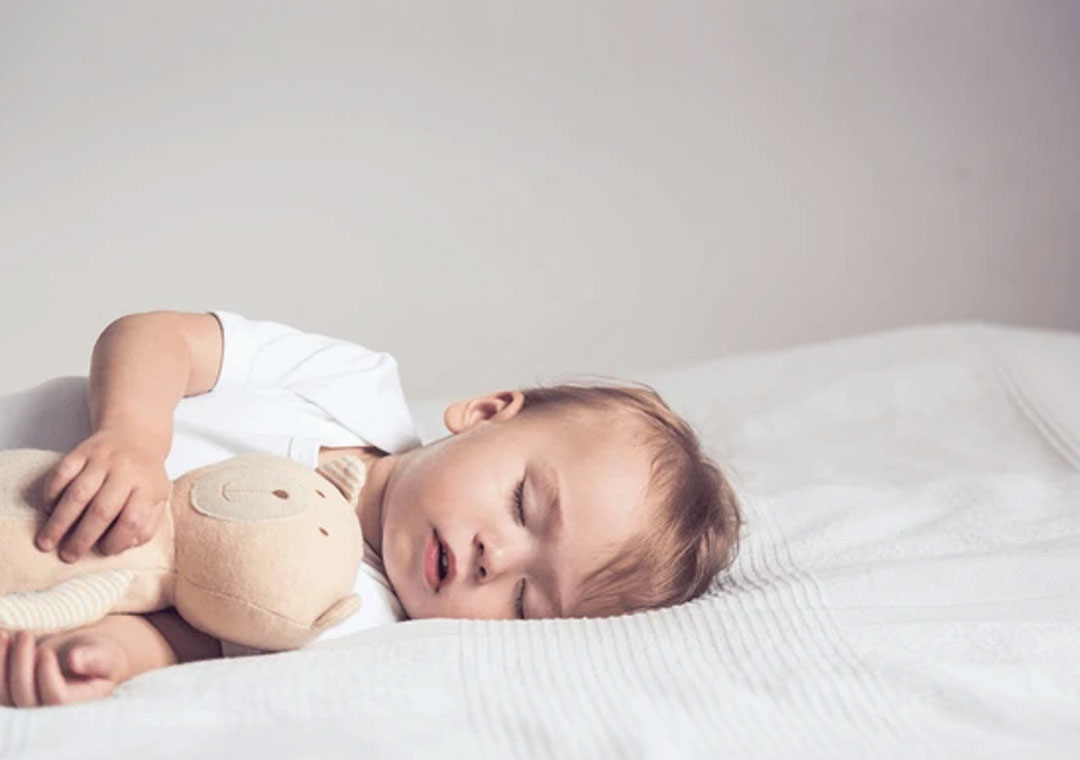
  • Put all babies to sleep on their backs — the safest position for a healthy baby — but let them find their own position if they roll over during the night
  • Promote breastfeeding
  • Room-sharing is fine, but not bed-sharing with parents or siblings, for the first 6 to 12 months
  • Use a separate sleep space (cot) with a firm surface, a tight-fitting bedsheet, and no soft pillows or stuffed toys
  • Swaddling is fine — keep your baby’s head and face uncovered
  • Discourage smoking, as exposure to second-hand smoke harms babies

What Are Behavioural Sleep Problems in Children?

Behavioural sleep problems are when your child has difficulty getting to sleep or wakes multiple times at night. Two common patterns:

Sleep-onset association disorder

Your child falls asleep readily if a person (parent) or object (TV) is there – and struggles to sleep in their absence. Typically the child wakes 1 to 4 times a night, wanting the parent there or the TV back on to resettle.

Limit-setting disorder

Your child comes in and out of the room multiple times before falling asleep, making repeated requests – “I want a drink, I want to go to the toilet, I want to talk to you, I’m scared…” – to avoid going to bed. Parents can find it socially difficult to set limits around these “curtain calls.”

How Do I Manage Sleep-Onset Association Disorder?

According to our excellent paediatricians in Dubai, you can use either of two methods:

Checking method

Ensure your child is calm, leave the room for up to 2 minutes, and promise to return after this time. Gradually increase the time spent outside your child’s room. Eventually, you’ll return to find your child has fallen asleep.

Camping out method

Place a bed or chair next to the child’s bed. For the first few nights, pat your child gently to sleep. After a few nights, sit next to the bed or cot without touching the child. Gradually increase the distance, moving your chair or bed away over 7 to 10 nights. If your child wakes overnight, return to the bedroom and sit on the chair or bed until they fall asleep again.

How Do I Manage Limit-Setting Disorder (“Curtain Calls”)?

Limit your child to 1 or 2 requests at the start of the night. The “bedtime pass” method can help: the child gets one pass to use during the night, and once it’s used up, they need to stay in the room and go to sleep.

What Are the Key Points for Healthy Child Sleep?

Sleep and physical activity need to be well integrated for the health and wellbeing of your children. Good sleep hygiene, sticking to a fixed bedtime and wake-up time, a regular bedtime routine, and maintaining a proper sleep environment (no light and noise) are all critical factors for adequate, quality sleep.

Good sleep is one of the greatest gifts you can give your child — and it’s built night by night through consistent routines, a calm sleep environment, and safe sleeping practices. If your child’s sleep troubles persist, don’t wait. Book an appointment right away with our reliable paediatrician in Dubai or talk to our team of paediatricians at HealthHub Clinics today on 800 2344.

How many hours of sleep does a child need?

It depends on age. According to the American Academy of Pediatrics, newborns (0–3 months) need 14–17 hours, infants (4–11 months) 12–15 hours, toddlers (1–2 years) 11–14 hours, preschoolers (3–5 years) 10–13 hours, school-age children (6–13 years) 9–11 hours, and teenagers (14–17 years) 8–10 hours per day, including naps for younger children.

What is the safest sleep position for a baby?

On the back – for every sleep, day and night. Back-sleeping is the single most effective safe-sleep practice for reducing the risk of Sudden Unexplained Death in Infancy (SUDI). Combine it with a firm, separate cot, a tight-fitting sheet, no soft pillows or stuffed toys, room-sharing (not bed-sharing) for the first 6–12 months, and a smoke-free environment.

How do I know if my child has a sleep disorder like sleep apnea?

Warning signs include loud or regular snoring, pauses in breathing or gasping during sleep, restless sleep, unusual daytime sleepiness, irritability, and difficulty concentrating despite adequate time in bed. Untreated early sleep issues can develop into bigger problems like sleep apnea, so persistent symptoms deserve a paediatrician’s assessment.

Where can I get help for my child's sleep problems in Dubai?

The team of top-rated paediatricians at HealthHub Clinics by Al-Futtaim in Dubai can assess your child’s sleep patterns, identify behavioural sleep problems such as sleep-onset association or limit-setting disorder, and guide you through proven management strategies. Book an appointment with a reliable paediatrician in Dubai on 800 2344.

Post Image 20+ years of exp

Article Reviewed by

Dr. Simikiruthiga Senthilkumar

Specialist Paediatrician

no text found

Languages
Tamil, Malayalam, Hindi, Telugu, Kannada and English
Clinics

HealthHub - Barsha Heights

HealthHub - Discovery Gardens

HealthHub - Festival Plaza