



Enhanced Experience
on our Mobile App

Hair Transplant guide: Dubai Edition – Including the Only Long Hair Transplant at HealthHub Clinics

First and only clinic in Dubai to offer Long Hair Transplant with the Direct Implantation technique


Dubai moves quickly. Careers pivot, calendars fill, and life is often lived in front of an audience-clients, colleagues, cameras, and family. When your hairline no longer reflects how you feel, you need a pathway that restores confidence without pressing pause on your life. Our Hair Transplant Department was created for exactly that: a calm, private experience; meticulous surgical craftsmanship; and outcomes that look natural on day one and continue to improve month after month.


We lead with a regional breakthrough: we are the first and only clinic in Dubai to offer Long Hair Transplant with the Direct Implantation technique. This signature method lets you keep your hair long throughout surgery, preview your new hairline in real time, and leave the clinic looking presentable the same day-a decisive advantage in a city where professional and social visibility is the norm.

Alongside this flagship service, we provide Follicular Unit Extraction (FUE) and Direct Hair Implantation with shaving, so every patient-men and women-can choose the approach that best fits their goals, donor capacity, and schedule.

Why a Dubai‑Ready Programme Matters

A modern hair transplant in Dubai must do more than move follicles from one place to another. It must protect your privacy, deliver believable results and keep up with your daily pace. Our programme is built around three pillars:

  • Discretion: With our long hair transplant pathway you retain your length, maintain your usual style, and avoid the “shaved” phase that keeps many people from scheduling treatment.
  • Precision: We plan and place grafts one by one, controlling depth, angle, and direction so the hairline looks like it has always belonged on your face.
  • Predictability: Clear preparation, gentle handling, and structured aftercare create a reliable arc of improvement that you can plan around.

From the first conversation to the final review photos, everything is designed to reduce anxiety, protect time, and elevate outcomes.            

Our Care Philosophy: Rigor, Artistry, and Respect for Your Life

Medical rigor is the non‑negotiable foundation: magnified extraction, minimal out‑of‑body time, diligent hydration and temperature control for grafts, and sterile protocols that align with a high‑quality healthcare environment. Surgical artistry is the difference you see in the mirror: hairline geometry that suits your bone structure and culture; feathering with single‑hair units at the very front; and layered density behind, so the result reads as full without ever looking “placed.” Patient‑centred care ties it together: a calm, private setting; local anaesthesia and supportive positioning; measured pacing with planned breaks; and climate‑aware aftercare for Dubai.

We also emphasise donor stewardship. Donor hair is finite, so we plan conservatively-keeping reserves for the future, designing hairlines that age well, and favouring staged strategies when they protect your long‑term options.

Consultation: Where Science Meets Design

Your consultation is structured and unhurried. We document history and goals; measure donor density and hair calibre under magnification; assess curl pattern, elasticity, and scalp health; and take standardised photographs for planning and follow‑up. We then sketch options for hairline geometry that respect ethnic aesthetics and facial proportions, and we discuss crown logic and temple balance. Finally, we recommend a technique-Long Hair Transplant with Direct ImplantationFUE, or Direct Hair Implantation with shaving-and a graft budget that delivers visible improvement without exhausting donor reserves. You leave with a clear plan and an honest timeline for growth.

Technique 1: Long Hair Transplant with Direct Implantation (No Shaving)

What it is
This refined, one‑by‑one placement method preserves your hair length. Healthy follicular units are extracted under magnification and implanted immediately using an implanter instrument that sets depth, angle, and directionwithout creating large channels in advance. Because hair remains long in both donor and recipient zones, the team can judge the final look in real time and fine‑tune as the hairline takes shape.

Why it fits evereyone’s lifestyle

  • No shaving: Maintain your usual style before, during, and after surgery.
  • Immediate preview: You and your surgeon can see-and refine-the hairline and density on the table.
  • Day‑one discretion: You leave the clinic with a familiar silhouette.
  • Precision placement: Lifelike angles and depth create a soft, undetectable edge.
  • Outpatient ease: The experience is calm and private, ideal for public‑facing roles.

Who benefits most

  • Executives, educators, clinicians, media and hospitality professionals-anyone who must stay presentable.
  • Patients seeking hairline and temple refinement or moderate‑area reinforcement.
  • Female hair transplant candidates who want to keep parting lines intact and preserve styling continuity.

How the day unfolds
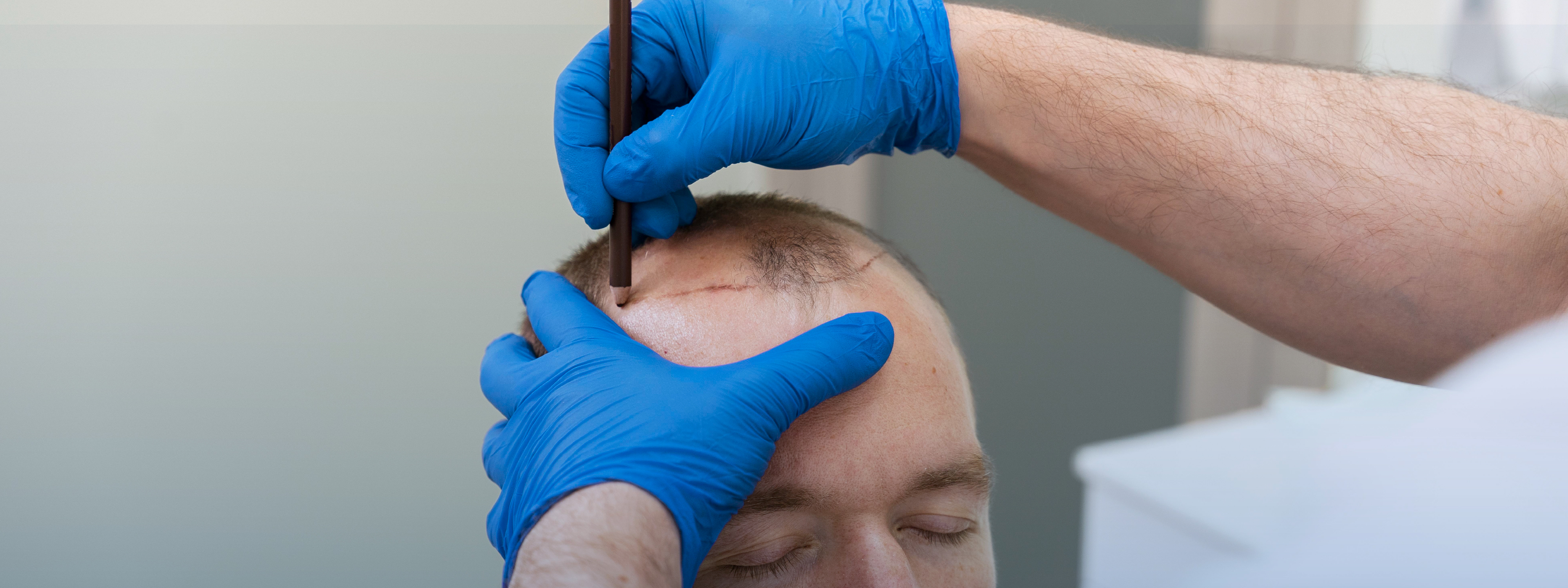
After confirming the plan and markings, we section donor hair to expose micro‑zones while preserving overall length. Using fine punches under magnification, we extract grafts gently and place them immediately after the extraction with pen‑based instruments. Because length is preserved, we can evaluate softness, direction, and layered density at full scale-then make micro‑adjustments before you go home.

Recovery-simple and realistic

You can typically return to work immediately after the procedure. During the first few days, you might feel mild tightness while redness fades, and gentle rinses are recommended. By weeks 2 to 8, as hair follicles transition, some shedding is normal and early regrowth may begin. Most people can get back to the gym within a few days to a week, depending on comfort and your provider’s advice.

The long hair transplant pathway is the quietest way to return to life while your result develops.

Technique 2: Follicular Unit Extraction (FUE) – Efficient Coverage with Natural Layering

What it is
FUE removes individual follicular units from the donor area using micro‑punches and implants them into thinning zones. It avoids a linear scar and excels for broader coverage, including mid‑scalp and crown. Because larger zones are often involved, FUE typically uses a short‑trim donor field to improve speed and visibility.

Why choose FUE

  • Scale: Efficient harvesting for larger graft counts and multi‑zone coverage.
  • Versatility: Effective for crown whorls and diffuse thinning patterns.
  • Natural layering: Single hairs feather the front; multi‑hair units provide depth behind.

Who it suits

  • Men and women who are comfortable with a short‑trim donor phase.
  • Patients aiming to reinforce multiple regions in one or two staged sessions.
  • Crown‑dominant patterns where swirl recreation and uniform spacing matter.

Technique 3: Direct Hair Implantation with Shaving - Dense Packing with Pen‑Level Control

What it is
This approach uses the same direct implantation pens but with trimmed donor and recipient hair to enhance visibility and speed. It combines precise angle control with the efficiency of short hair and is particularly useful when targeting high‑density hairlines or broader zones in a single visit.

Why choose it

  • Fast, consistent placement for large sessions.
  • High‑density hairlines with tight spacing and angle fidelity.
  • Predictable coverage when uniformity is essential.

Who it suits

  • Patients seeking maximum density and uniform spacing now.
  • Individuals comfortable with a trimmed look for a short recovery window.

The Science of Natural‑Looking Density

People don’t assess hair strand by strand; they read patterns of light and shadow. We design to that reality. At the leading edge, we place single‑hair units to create a soft transition; just behind, we increase graft multiplicity and compactness to generate the perception of thickness without overloading the skin. Direction and angle matter as much as counts: frontal hairs usually sit around 30-45 degrees, temporal peaks angle posteriorly, and crown whorls demand spiral alignment. These small decisions ensure the result moves like real hair-in wind, under overhead light, and on camera.

Hair Types, Textures, and Ethnic Aesthetics

Every hair type offers opportunity with different considerations:

  • Straight/fine hair can look transparent if not layered carefully. We use tighter spacing just behind the hairline and subtle feathering up front to reduce “see‑through.”
  • Wavy hair is forgiving; angle control keeps waves coherent with native flow and avoids cross‑overs that look messy.
  • Curly or coily hair provides excellent coverage with fewer grafts but demands punch and angle calibration to respect follicular curvature and reduce transection.
  • Salt‑and‑pepper hair softens edges naturally; we use tonal variation to our advantage in transition zones.
  • Ethnic hairline design is never one‑template‑fits‑all. Middle Eastern, South Asian, African, European, and East Asian aesthetics differ in hairline height, temple recession, and curvature. We honour those differences so the result looks like you, not like a generic diagram.

Long Hair Transplant for Women – The Option Many Were Waiting For

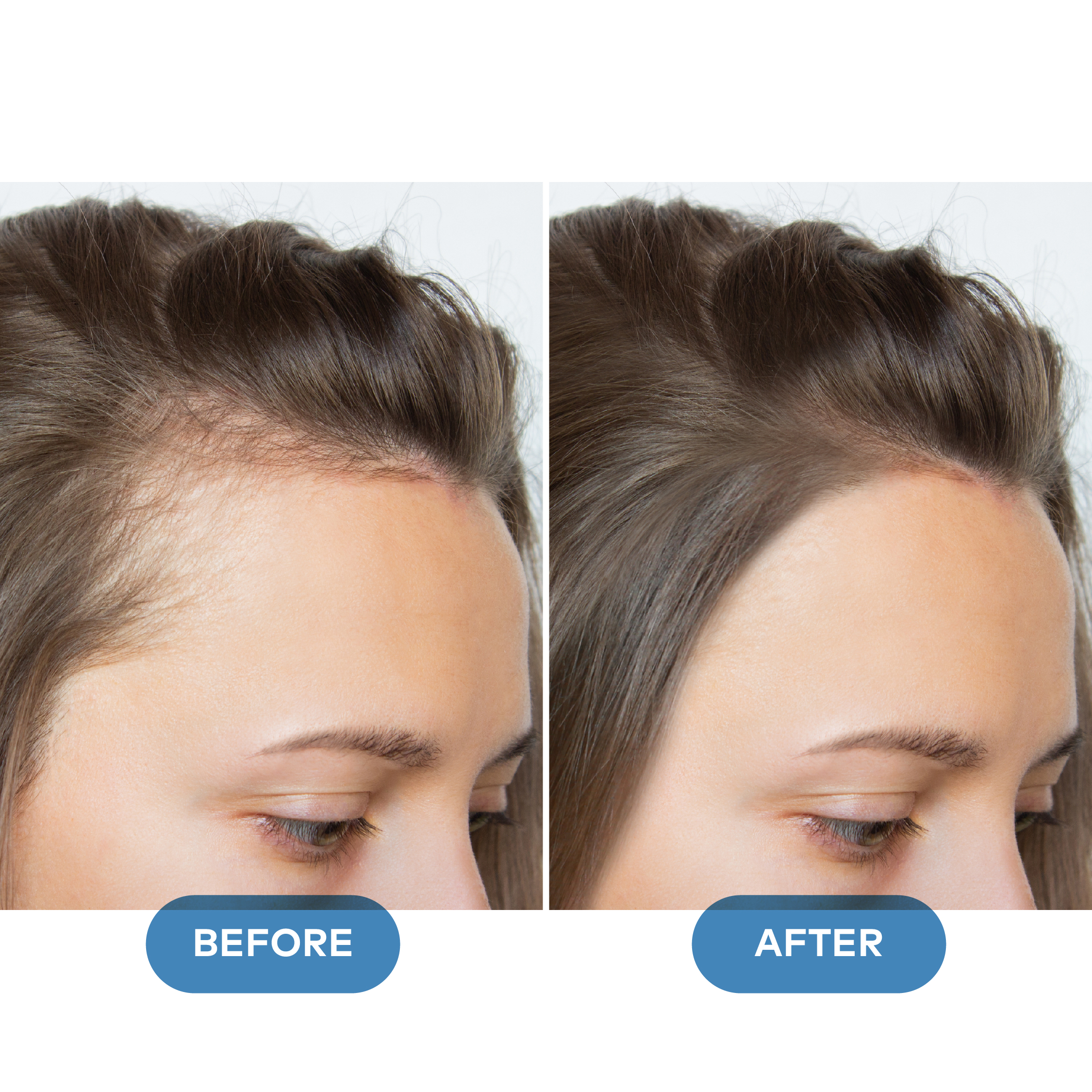
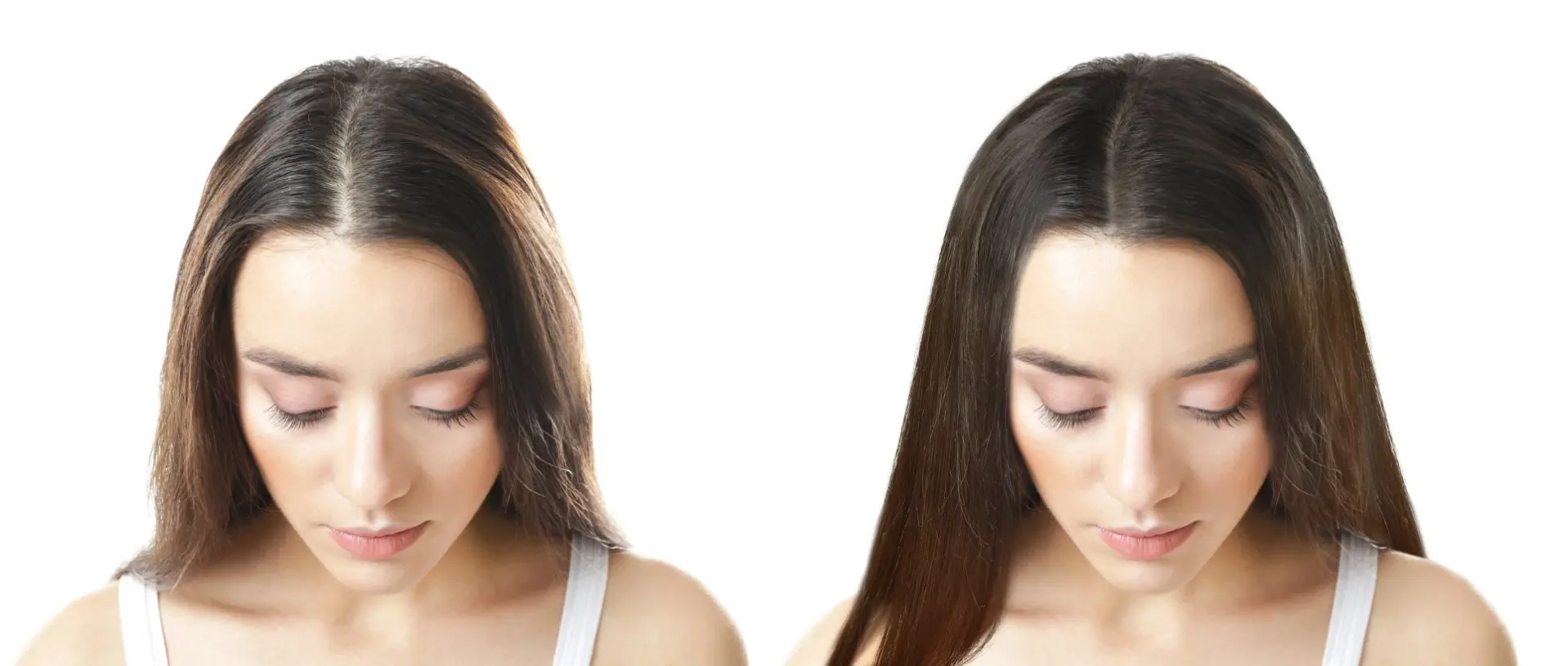
female hair transplant has unique priorities. Women often present with diffuse thinning most visible at the parting line and frontal frame. Traditional shaved approaches conflict with professional roles and family life. Our long hair transplant pathway addresses those realities directly:

  • No shaving: Preserve length and style, including the parting line.
  • Micro‑refinements: We use single‑hair feathering and gentle temple work so the result looks effortlessly feminine.
  • Day‑one presentability: A stronger frame with immediate discretion- vital for public‑facing calendars.
  • Long‑view planning: Conservative extraction patterns keep options open as biology evolves.


Common goals include subtle hairline advancement, temple density for up‑dos and sport, and part‑line reinforcement to reduce scalp show‑through under bright light. The aim is not a dramatic makeover; it’s quiet, believable confidence.

Beard Transplant in Dubai – Geometry, Direction, Authentic Texture

Beards frame the lower face and set visual weight. Our beard transplant workflow begins with geometry: cheek and neckline borders, sideburn integration, and chin emphasis matched to your jaw and cheekbones. We then map direction at millimetre scale- because facial hair exits the skin at shallow angles that change across the moustache, goatee, cheeks, and under‑jaw. Finally we plan density zoning so the result looks full yet organic; tiny irregularities make it believable.


We usually harvest from the scalp and place grafts with implanter instruments for precise angle control. Redness settles quickly; early shedding is normal; growth becomes visible by months 3-4 and consolidates through month 12. We provide grooming guidance (trimming, shaping, balm/oil routines) that complements the way your hair grows.

Hair Transplant

Eyebrow Transplant in Dubai – Curvature, Slope, and Fine‑Hair Selection

Brows carry expression and proportion. Our eyebrow transplant design focuses on curvature (head, body, tail), slope, and texture. We favour single‑hair units to replicate the fineness of natural brows and place each graft at shallow angles that change along the arch. Left- right symmetry is calibrated without becoming rigid; subtle variation is part of what makes brows look alive.

Recovery is discreet. A temporary shedding phase is expected; early growth appears in months 3–4 and matures over the year. The aim is effortless balance- brows that look right at a glance, without daily effort to simulate fullness.

Pre‑Hab for the Scalp: Setting Up for Success

Healthy skin supports comfortable recovery. In the weeks before surgery, we guide gentle cleansing and scalp‑care suited to Dubai’s climate. Where appropriate, your clinician may recommend targeted measures for dermatitis or flaking so the skin barrier is calm at the time of surgery. We also review medications and supplements, discuss smoking cessation and hydration, and align scheduling around travel, sport, and events so aftercare is practical- not aspirational.

Comfort, Safety, and Quality Assurance

Comfort is part of quality. We use local anaesthesia, supportive positioning, and planned pacing so the day feels manageable. Grafts are handled gently with minimal out‑of‑body time and maintained under consistent hydration and temperature. Our environment is sterile and accredited, with single‑use consumables where appropriate and rigorous infection‑prevention standards. We document each milestone with standardized photographs so you can see progress objectively-not just feel it.

The Procedure Day: Calm, Precise, and Private

On arrival we review the plan and confirm design markings. Extraction proceeds under magnification; punch size is matched to hair calibre and curl. Placement follows with attention to the trifecta- angle, direction, depth-that makes a transplant undetectable. With Long Hair Transplant with Direct Implantation, preserved length allows live aesthetic checks: we can push the hairline a millimetre back or forward, soften a cluster, or redirect a few units to match your styling. Before discharge you receive simple, Dubai‑ready instructions for sleep, rinsing, sun protection, and the pace of returning to gym, swimming, and travel.

Recovery & Aftercare – A Year Mapped Clearly

Your recovery is designed to be calm, predictable, and discreet- especially with our Long Hair Transplant with Direct Implantation pathway. While individual experiences vary, the timeline below shows what most patients in Dubai can expect and how to support the best possible outcome without disrupting work, family, or social commitments.

The First 24 Hours (Day 0–1) – Reset and Protect

  • What you’ll feel: The scalp typically feels comfortably numb for several hours, then slightly tight or tender as sensation returns. Mild swelling may appear around the forehead or temples.
  • What it looks like: Recipient areas show tiny placement points; the donor looks clean and well‑kept. With long hair transplant, your length immediately softens visibility; with FUE or direct implantation with shaving, a short, tidy trim is evident but presentable.
  • Care priorities: Keep your head elevated when resting, avoid bending or straining, and follow the first gentle rinse instructions exactly as provided. Do not scratch or rub. Plan a quiet evening at home in air‑conditioned comfort-Dubai heat can wait a few days.
Technique notes
  • Long hair transplant: Your preserved length provides day‑one discretion; be deliberate when moving or turning to avoid snagging long strands on clothing or pillows.
  • FUE / direct implantation with shaving: The trimmed look is temporary; cleanliness and gentle handling take precedence over styling.

Days 2-3 – Cleanse, Calm, and Keep It Simple

  • What you’ll feel: Tightness eases quickly; light itching is common and simply a sign of healing.
  • What it looks like: Early micro‑crusting may be visible up close. With long hair, the baseline silhouette remains familiar.
  • Care priorities: Continue gentle rinses as instructed; pat dry rather than rubbing. Sleep slightly elevated to minimise swelling, and keep outings short and cool. If you work at a desk, most patients feel comfortable checking emails or returning to light tasks.

Dubai‑specific tip: Move between home, car, and indoor spaces efficiently during the hottest hours; humidity and heat add fatigue you do not need right now.

Days 4-7 – Back to Routine (Quietly)

  • What you’ll feel: Comfort improves markedly; most describe a “normal scalp” feeling with occasional mild itch.
  • What it looks like: Any small crusts begin to soften and lift naturally with approved cleansing; redness fades. Long hair continues to conceal early signs.
  • Care priorities: You can typically return to light office work. Avoid helmets, intense gym sessions, pools, saunas, and steam rooms. Keep hats loose and breathable if needed for sun protection; never compress the recipient area.
Technique notes
  • Long hair transplant: Styling can resume in a gentle fashion-no tight clips, bands, or high‑tension ponytails.
  • FUE / direct implantation with shaving: The trimmed donor starts to blend; recipient hair will follow standard growth cycles (see below).

Week 2 – The Transition Week

  • What you’ll feel: Mild tingling or “static” sensations may appear as nerves wake; this is expected and temporary.
  • What it looks like: The shedding phase may begin: some transplanted shafts fall while the follicles remain beneath the skin preparing for growth. This is normal physiology-not “loss of grafts.”
  • Care priorities: Continue with gentle cleansing; reintroduce casual walking outdoors when heat is milder. Avoid prolonged sun on the scalp, and use shade or a hat that doesn’t compress.

Female hair transplant note: Keep parting lines loose; avoid pins or grips that press the recipient area. Gentle blow‑dry on cool or low settings only when cleared by your team.

Weeks 3-4 – Consolidation and Confidence

  • What you’ll feel: The scalp feels more “yours” each day; most patients forget about the donor entirely.
  • What it looks like: Shedding may continue for some; others will already look unchanged to casual observers. Early, fine regrowth may appear in select areas.
  • Care priorities: You may begin light, low‑impact exercise when cleared (e.g., stationary bike, light resistance), still avoiding heavy sweat, helmets, or contact sports. Business travel is generally comfortable now; carry a hat for midday sun.

Beard & eyebrow transplants: Expect a similar rhythm-brief shedding, then silent “lag time” before new growth. Avoid heavy exfoliation or waxing; keep movements soft and deliberate.

Month 2 (Weeks 5-8) – The Quiet Phase

  • What you’ll feel: Little to no discomfort; occasional “peppery” itch can appear with new activity under the skin.
  • What it looks like: This is the least dramatic month visually-an in‑between stage as follicles cycle and prepare to grow. Trust the process.
  • Care priorities: You may typically add moderate gym sessions and swimming in clean pools once your clinician clears you; rinse scalp and beard areas with fresh water immediately afterward. Limit direct UV on recipient zones; sunscreen on healed skin is advisable.

Long hair transplant specifics: Your length continues to protect privacy; just be mindful of tight hairstyles or very hot tools until you’re cleared for normal styling.

Months 3-4 – First Visible Regrowth

  • What you’ll feel: Many report a subtle “bristle” under the fingertips as new hairs break the surface.
  • What it looks like: Fine, soft regrowth becomes visible across the recipient zones. Density is not yet the final picture, but the direction and frame are reassuringly natural.
  • Care priorities: Normal office life, public appearances, and travel are routine. Maintain sensible sun care, adequate hydration, and restful sleep-small inputs that support healthy cycles.

Female hair transplant note: Patients often notice the parting line looking steadier in this window; continue gentle haircare and avoid tight bands or heavy extensions.

Months 6–9 – Consolidation and Styling Freedom

  • What you’ll feel: Hairs thicken; the donor and recipient areas feel entirely “your own.”
  • What it looks like: Density consolidates. The hairline softens convincingly; the mid‑scalp fills; crowns show improved coverage. Beard and eyebrow projects look settled and expressive.
  • Care priorities: Most activities are fully back, including strenuous training and contact sport (with clearance). You can typically explore a wider range of hair products and heat tools, always paying attention to scalp comfort.

Barbering and salon care: Trims and shaping are expected at this stage. Choose stylists who work gently around recipient areas and understand the direction of new growth.

Months 9–12+ – Final Maturation

  • What you’ll feel: Normal scalp sensation returns fully for most patients; any residual “pins and needles” fade.
  • What it looks like: Calibre and texture complete the transformation. In photos, the hair reads as if it has always belonged there; in person, the hairline looks entirely undetectable even at close range.

Care priorities: Continue the healthy habits that got you here. If you plan a second stage for additional density or a new zone (e.g., later crown work), your team will advise on sensible timing based on donor stewardship.

Day‑to‑Day Care: The Practical Details

Sleeping & Comfort

  • First 3 nights: rest with your head slightly elevated; use a clean pillowcase and avoid pressure on the recipient area.
  • For long hair transplant, choose front‑opening sleepwear and mindful turning to prevent snagging.
  • If you tend to sleep warm, keep the room cool; Dubai’s A/C is your ally while swelling settles.


Cleansing & Drying

  • Follow the exact rinse schedule provided by your team. Let water flow gently; avoid direct high‑pressure streams on the recipient area at first.
  • Pat dry; never rub. For beards and brows, blot with a soft towel or tissue and let air‑dry.

Styling & Products

  • Reintroduce light, non‑tacky products gradually when cleared. Avoid strong hold, heavy waxes, or sprays that require forceful removal in the first weeks.
  • Heat styling can return in stages-start low and brief; pause if the scalp feels sensitive.


Sun & Heat

  • For the first weeks, prioritise shade, loose hats, and short exposures.
  • Sunscreen on healed skin is advisable; avoid occlusive, heavy formulations that trap heat or require scrubbing to remove.


Work, Travel & Events

  • Most desk‑based roles resume by day 1.
  • Short flights are usually fine after the first week; long‑haul is more comfortable after early swelling has settled.
  • For important appearances, the long hair transplant pathway provides day‑one discretion; for shaved approaches, plan critical events after the first couple of weeks.


Exercise & Sport

  • Days 1–7: walking and gentle mobility only.
  • Week 2: light cardio with minimal sweat and no helmets.
  • Weeks 3–4: moderate training; avoid headwear pressure.
  • After clearance: swimming, heavy lifts, and contact sport can return progressively.


Nutrition, Hydration & Lifestyle

  • A balanced, protein‑rich diet and adequate hydration support normal hair cycles and healing.
  • Aim for consistent sleep; avoid smoking and limit alcohol in early recovery since both can slow healing.


Special Notes for Women (Female Hair Transplant)

  • Parting lines: Keep parts loose and natural; avoid repeated tight parting in the same spot for the first few weeks.
  • Ties & clips: Use soft, gentle accessories; avoid high tension ponytails or buns until cleared.
  • Heat tools & colouring: Reintroduce gradually once the scalp feels entirely comfortable and your clinician approves; start with lower heat and shorter passes.
  • Hormonal context: If your hair cycles are influenced by postpartum or other hormonal changes, we integrate timing and staged plans accordingly.

Special Notes for Beard & Eyebrow Transplants

  • Beard: Avoid trimmers and aggressive shaving over the recipient area in the first weeks. After clearance, trim lightly, following the new hair direction; moisturise skin to prevent dryness around new density.


Brows: Keep movements light; avoid heavy exfoliants or waxing early on. As growth settles, tidy with delicate trimming rather than plucking in the transplanted zone.

What’s Normal vs What Needs a Call

Common, normal experiences: mild swelling, light itching, “peppery” sensations as nerves wake, temporary shedding of transplanted shafts, and uneven early growth.
Contact your team promptly if you notice persistent or worsening pain, fever, spreading redness, unusual drainage, significant asymmetrical swelling beyond the expected window, or anything that simply doesn’t feel right. We prefer cautious calls over silent worry.

Bottom line: follow the simple plan, keep life steady, and allow the biology to do the rest. The payoff is a result that feels inevitable: hair that looks and behaves like it has always belonged to you.

The goal is not to power through recovery; it’s to move comfortably, protect the grafts, and let biology do its work.

What a Natural Result Looks Like in Real Life

A great transplant passes everyday tests effortlessly:

  • Handshake distance: The hairline reads as soft-no sharp wall, no repetitive pattern.
  • Wind and movement: Directional truth means the hair moves the way yours always has.
  • Overhead light: Layered density reduces “see‑through” in bright environments.
  • Wet hair: Feathering at the edge and density behind keep the frame intact.
  • Cameras: High‑definition close‑ups reveal no abrupt transitions or unnatural angles.


We design to meet these tests, not just the lens of a single before/after photo.

Traveling Abroad vs Doing It in Dubai

There’s more to value than a headline price. When you compare a hair transplant in Dubai with travel abroad, consider the whole equation.

Continuity & access
The most useful support happens after surgery-when you have a question about washing, styling, or a small area that feels different. Staying local means rapid access to your team and easy in‑person checks. That is particularly important for long hair transplant and female hair transplant patients for whom styling continuity and day‑one discretion are priorities.

Standards & accountability
You know who is responsible for your care. You can verify clinical standards and return to the same team if you ever need refinement.

True cost
Flights, hotels, time off work, ground transport, and potential return trips add up. A local pathway often delivers better overall value-financially and emotionally-because it is coordinated end‑to‑end.

Privacy & comfort
Recovering at home is easier. You are not navigating airports with early swelling or bandaging. You sleep in your own bed and follow your own routine.

Communication & nuance
Hairline design is a conversation about identity. Shared language and cultural context reduce anxiety and help you get exactly what you want.

When travel might still make sense
If you live abroad or plan a lengthy stay near a chosen surgeon, we can structure a pre‑travel plan and provide post‑return support in Dubai so your journey remains safe and coordinated.

Bottom line
For most residents, keeping care in Dubai provides better continuity, less stress, and more control-without sacrificing results.

Pricing with Clarity, Planning with Purpose

Your quotation reflects technique (Long Hair Transplant with Direct Implantation, FUE, or Direct Implantation with shaving), graft numberssession duration, and complexity (hair calibre, curl, scarring, multi‑zone work). If supportive scalp measures are advisable, we explain why and how they complement surgery. Where staging protects donor reserves or aligns with your calendar, we recommend that path openly. The aim is long‑term satisfaction, not short‑term volume.

Ethics, Safety, and Transparency

We are candid about candidacy, donor limits, achievable density, and timelines. If we believe surgery will not meet your expectations, we say so and suggest alternatives. We operate in a sterile, accredited environment, use gentle and consistent handling, and remain available throughout recovery. The goal is a relationship built on honesty and outcomes that feel like you at your best.

Book Your Complimentary Hair Transplant Consultation in Dubai

If you want the advantages of a long hair transplant-no shaving, real‑time artistry, day‑one discretion-or you are planning broader coverage with FUE or Direct Hair Implantation with shaving, the best next step is a personal consultation. In one visit we will map your donor area, design a hairline that flatters your face, and recommend a plan tailored to your goals, schedule, and life in Dubai. Whether your priority is a female hair transplant, a beard transplant, or an eyebrow transplant, our team will deliver a pathway that safeguards privacy and produces results that last.


Schedule your consultation and take the next step toward a natural, camera‑ready result that keeps getting better- month after month.

Health Hub in Dubai Best medical center

Why Choose HealthHub Clinics?

  • Extensive Experience
  • Advanced Facilities
  • Affordable premium services
  • Trusted Al-Futtaim brand

Connect with our experienced doctors at HealthHub Clinics to learn more or call 800 2344. to book your appointment.

Post Image 10 years of exp

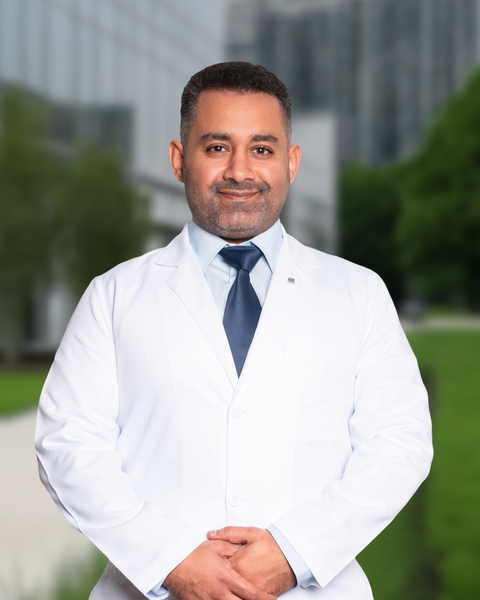
Article Reviewed by

Dr. Maemun Alkhosin

Specialist General Surgeon & Hair Transplant Surgeon

no text found

Languages
English, Arabic and Russian
Clinics

HealthHub Day Surgery - Festival City