Mobile App icon
Enhanced Experience
on our Mobile App

Why Does Early Gastrointestinal Care Matter?

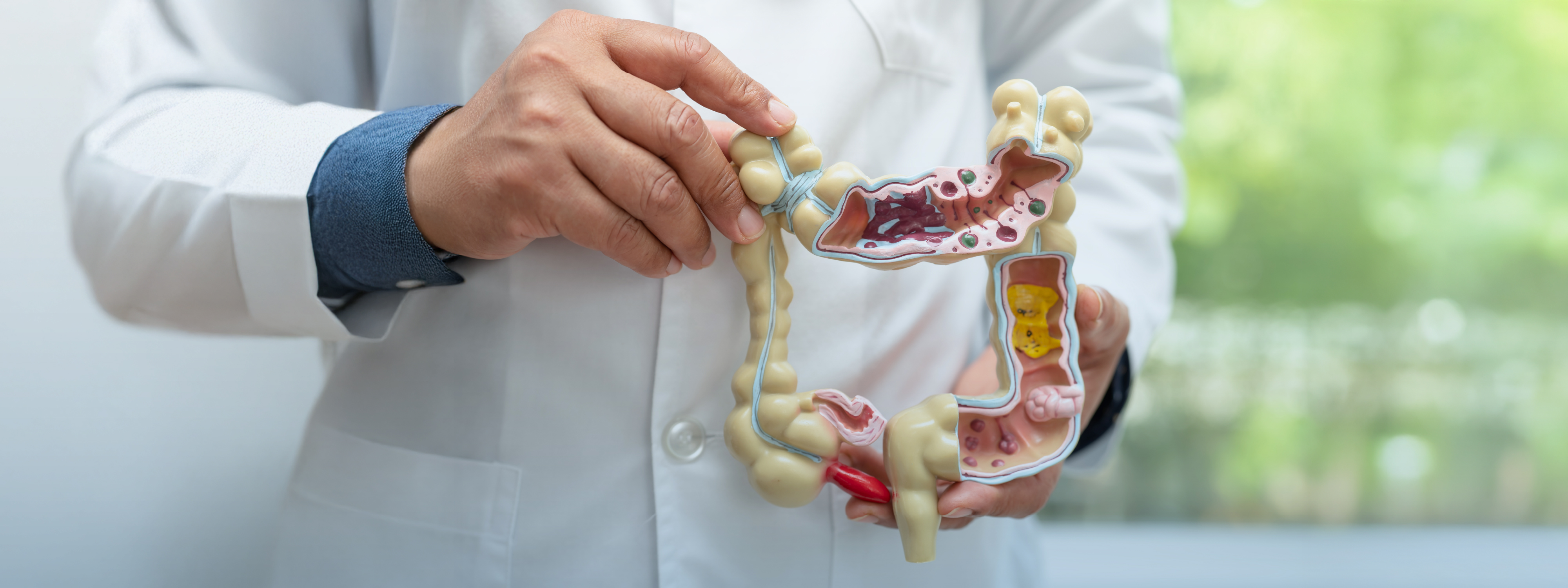
Digestive health has a profound impact on overall wellbeing. At HealthHub Clinics by Al-Futtaim’s Gastroenterology Clinic in Dubai, expert-led care for Inflammatory Bowel Disease (IBD), liver conditions, and endoscopic diagnostics is setting new standards in digestive medicine. This modern, patient-focused approach ensures timely diagnosis, personalized treatment, and better long-term outcomes.

Thanks to innovation and early detection, patients with chronic gastrointestinal conditions now benefit from less invasive treatments and more proactive management strategies. Whether it’s Crohn’s disease, ulcerative colitis, liver disease, or general GI discomfort, our specialists apply the latest evidence-based methods to restore digestive health and quality of life.

Gastrointestinal diseases often progress silently. IBD, for instance, can lead to complications such as bowel obstruction or malnutrition if left unmanaged. Liver disease, similarly, may not show symptoms until its later stages. That’s why timely care, accurate diagnostics, and regular follow-ups are vital. Our clinic focuses on catching these conditions early, before they lead to irreversible damage or unnecessary surgery.

Irritable Bowel Syndrome (IBS) Treatment in Dubai

How Does HealthHub Clinics Manage Inflammatory Bowel Disease (IBD)?

Our IBD treatment program blends medication, lifestyle support, and long-term monitoring to reduce flares and hospital visits. Effective IBD therapies we draw on include:

  • Biologic therapies — target specific immune pathways to reduce inflammation.
  • Immunomodulators — help control long-term immune overactivity.
  • Steroid-sparing strategies — minimize the side effects of traditional treatments.
  • Dietary adjustments — tailored meal plans that support gut healing and symptom control.
  • Stress reduction techniques — since flares are often stress-linked, mental health support is a key part of care too.

Our goal with every patient is remission, not just short-term symptom relief.


What Endoscopic Advancements Are Used for Early Diagnosis?

Endoscopy remains a cornerstone of diagnosis and treatment in GI care. However, new technology is making it safer, faster, and more accurate.

Common Procedures at Our Clinic:

  • Gastroscopy & Colonoscopy: Early detection of ulcers, polyps, and cancers.

  • Capsule Endoscopy: Swallowable camera capsules to explore the small intestine.

  • Therapeutic Endoscopy: Minimally invasive polyp removal, bleeding control, and more.

  • ERCP & EUS: Specialized procedures for pancreatic and biliary disorders.

Minimally invasive techniques mean quicker recovery and minimal discomfort for patients.

What Liver Health Services Are Available?

Liver disorders — from fatty liver to hepatitis and cirrhosis — are on the rise, especially in the UAE, largely due to dietary and lifestyle factors. Early-stage detection is crucial for preventing irreversible damage.
Our liver services include:

  • Non-invasive liver scans (FibroScan)
  • Blood markers and viral hepatitis testing
  • Fatty liver disease counseling
  • Liver-friendly nutrition plans
  • Monitoring for cirrhosis and liver cancer risk

We focus not just on treatment, but on prevention through lifestyle modification and regular screening.

What Innovations Are Changing Gastroenterology?

Gastroenterology is advancing rapidly with the help of modern diagnostics and increasingly personalized care. Key trends shaping GI care today include:

  • AI-assisted endoscopy — improves polyp and cancer detection accuracy.
  • Genetic testing for IBD — helps personalize treatment plans.
  • Non-surgical polyp removal techniques.
  • Remote symptom monitoring tools for IBD.
  • Gut microbiome analysis integrated into care planning.

These innovations lead to earlier diagnoses, fewer complications, and treatment that’s genuinely tailored to the individual patient.

Specialized Gastrointestinal Care

Why Does Patient Education Matter for GI Health?

Our Gastroenterology Clinic places strong emphasis on educating patients about:

  • Recognizing early symptoms, such as bloating, pain, or changes in bowel habits
  • Avoiding self-medication or delaying necessary tests
  • Following food and lifestyle recommendations
  • Adhering to prescribed medication regimens
  • Attending regular follow-ups to track progress

An informed patient can manage chronic conditions more effectively and reduce the risk of severe complications down the line.

How Does HealthHub Clinics Approach Gastroenterology Care?

Whether you’re living with IBD, managing fatty liver disease, or need advanced endoscopic evaluation, the Gastroenterology Clinic at HealthHub Clinics by Al-Futtaim offers comprehensive, modern care. Our specialists bring together medical expertise, technology, and patient empowerment to ensure accurate diagnoses and lasting digestive wellness.

By focusing on early intervention, personalized treatments, and minimally invasive techniques, we help patients live healthier, more comfortable lives, free from the limits of digestive disease. Book a consultation with our gastroenterology team to take the first step toward better digestive health.

Health Hub in Dubai Best medical center
Healthhub banner

Why Choose HealthHub Clinics?

  • Extensive Experience
  • Advanced Facilities
  • Affordable premium services
  • Trusted Al-Futtaim brand

Connect with our experienced doctors at HealthHub Clinics to learn more or call 800 2344. to book your appointment.

What is Inflammatory Bowel Disease (IBD), and how is it treated?

IBD refers to conditions like Crohn’s disease and ulcerative colitis, where chronic inflammation affects the digestive tract. Treatment typically combines biologic therapies, immunomodulators, steroid-sparing strategies, dietary adjustments, and stress reduction, with the goal of achieving lasting remission rather than just managing symptoms.

What’s the difference between a gastroscopy and a colonoscopy?

A gastroscopy examines the upper digestive tract, including the esophagus and stomach, using a thin camera passed through the mouth. A colonoscopy examines the colon and large intestine, using a camera passed through the rectum. Both are used to detect issues like ulcers, polyps, and early signs of cancer.

What are the signs of liver disease?

Liver disease often develops silently and may not cause noticeable symptoms until its later stages. This is exactly why regular liver screening, such as FibroScan imaging and blood marker testing, matters for anyone with risk factors linked to diet or lifestyle, rather than waiting for symptoms to appear.

When should I see a gastroenterologist about digestive symptoms?

If you notice bloating, abdominal pain, or changes in bowel habits, it’s best to get evaluated rather than self-medicating or delaying testing. Since both IBD and liver conditions can progress silently, early evaluation gives you the best chance of catching an issue before it becomes more serious.

Post Image 16+ years of exp

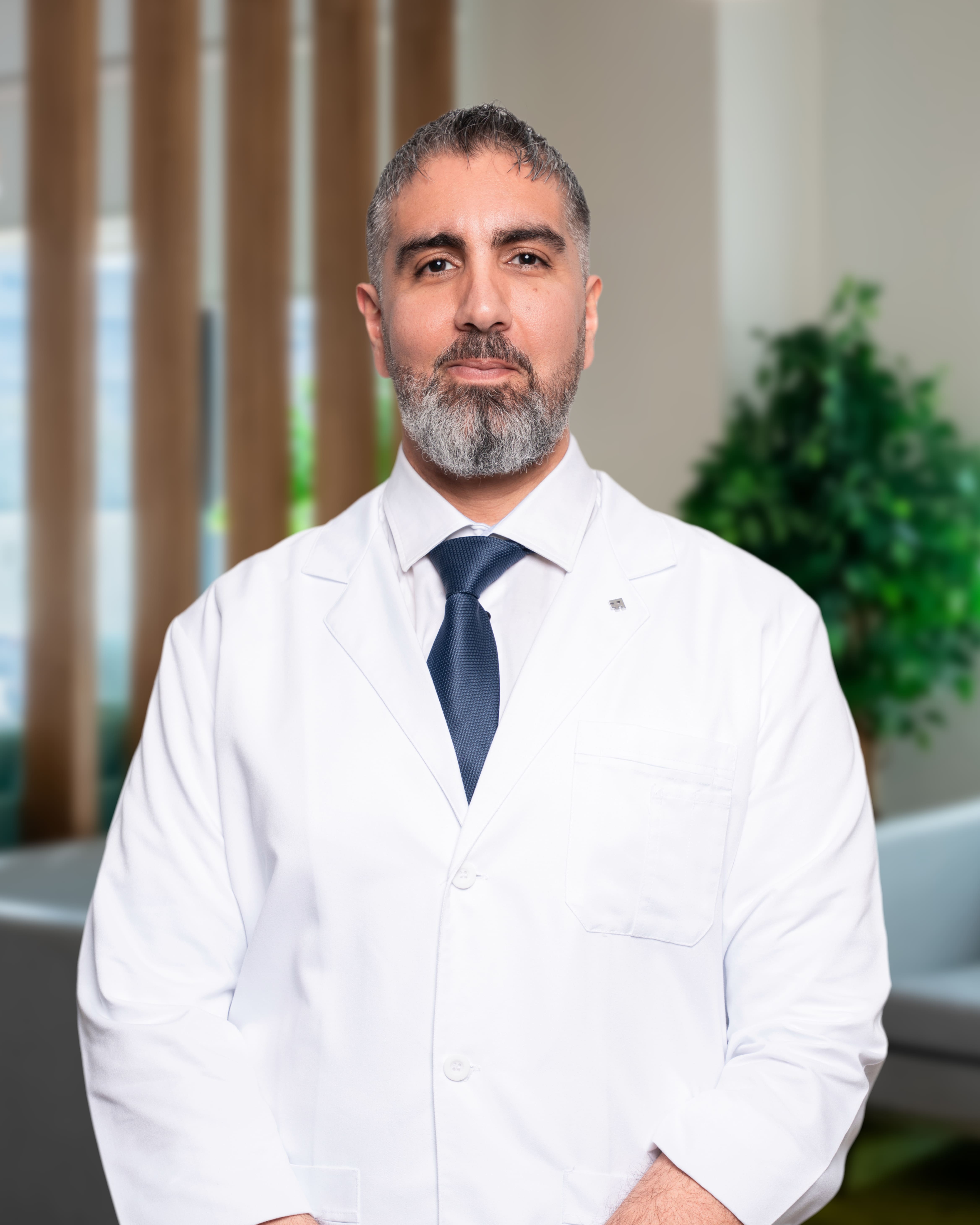
Article Reviewed by

Dr. Khaldun Al-Shaheen

Consultant Gastroenterologist

no text found

Languages
English, Swedish and Arabic
Clinics

HealthHub - Al Qusais

HealthHub Day Surgery - Festival City