What Happens During Gallbladder Removal as a Day Surgery Procedure?
Pre-op assessment (what you can expect)
Most patients will undergo:
- A clinical assessment and review of medical history/medications
- Blood tests (including liver function and infection markers)
- Ultrasound (commonly the first imaging test)
- An anesthesia review to ensure safe sedation and pain control planning
If there are signs of bile duct stones or complications, your team may recommend additional imaging or treatment steps before surgery.
The procedure (laparoscopic cholecystectomy)
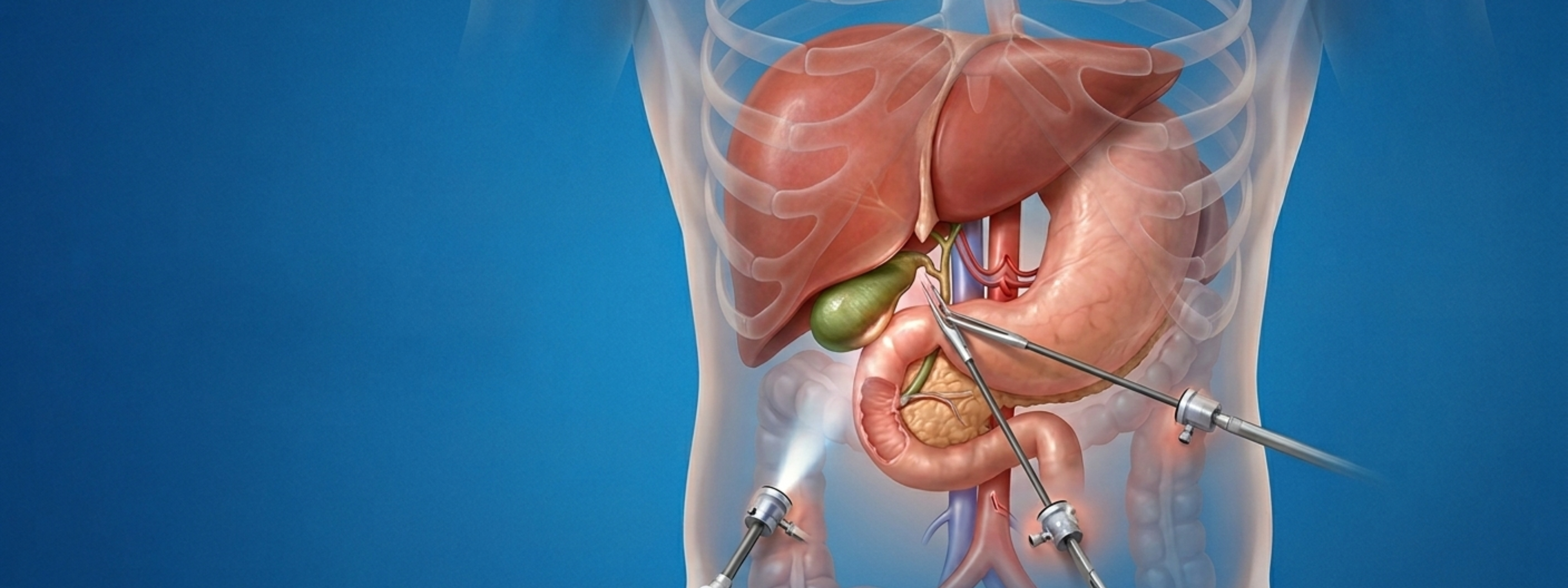
In most cases, gallbladder removal is performed laparoscopically:
- A camera guides the surgery
- The gallbladder is removed safely
- Incisions are closed with sutures or surgical glue
Same-day discharge: who is often suitable?
You may be a good candidate for day surgery if:
- The surgery is uncomplicated and laparoscopic
- Pain and nausea are controlled with oral medications
- You can walk safely and drink fluids
- You can pass urine normally
- A responsible adult can stay with you for the first 24 hours
When an overnight stay may be recommended
Even with minimally invasive surgery, admission may be safer if:
- Surgery finishes late in the day
- There is significant inflammation/infection
- You have medical conditions requiring monitoring (e.g., diabetes, heart/lung disease)
- Pain or nausea is difficult to control
- The surgeon converts to an open approach for safety (less common)
A high-quality service doesn’t “push” day surgery—it matches the pathway to what’s safest for you.
How Should Patients Recover at Home After Gallbladder Removal?
The first 24–48 hours at home
It’s common to experience:
- Mild to moderate incision soreness
- Shoulder-tip discomfort (from gas used during laparoscopy)
- Reduced appetite for a day or two
Helpful basics:
- Short walks around the home (several times daily)
- Hydration and light meals
- Take pain relief as prescribed—don’t wait until pain escalates
Diet tips after gallbladder removal
Your liver still produces bile; it simply drips directly into the intestine without being stored in the gallbladder. Many people return to a normal diet gradually. For the first 1–2 weeks, consider:
- Smaller meals, eaten more frequently
- Lower-fat choices (grilled, baked, steamed)
- A slow reintroduction of rich or spicy foods
- Adequate fiber and fluids to reduce constipation
When you can return to routine
Timelines vary, but many patients:
- Resume light daily tasks within a few days
- Return to desk work within about 1–2 weeks
- Increase exercise gradually over 2–4 weeks (as cleared by the surgeon)
Your surgeon’s advice should guide lifting limits and sports.
Red flags after gallbladder surgery
Seek urgent medical care if you have:
- Fever, chills, or worsening abdominal pain
- Increasing redness, swelling, discharge, or bad odor at incision sites
- Persistent vomiting or inability to keep fluids down
- Chest pain, shortness of breath, or calf swelling
 16+ years of exp