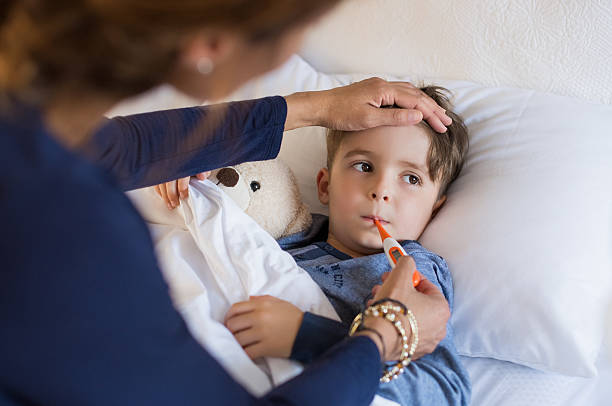
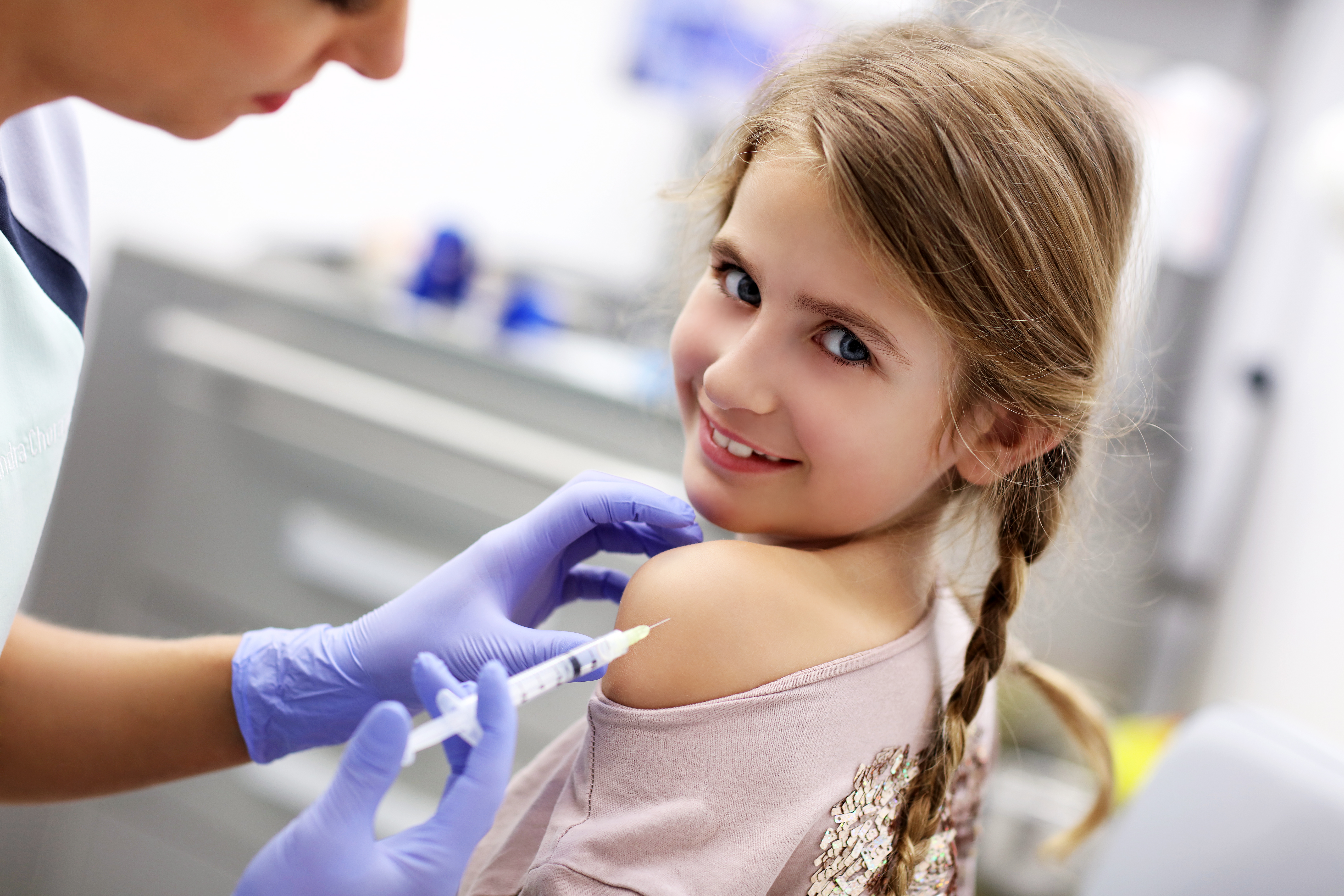
Seasonal influenza can spread easily among children, particularly in schools, nurseries and other settings where children spend time together. For parents in Dubai, questions about seasonal flu vaccination often become especially important as children return to school and influenza begins circulating.
Dubai Health Authority issued a September 2026 awareness circular concerning seasonal influenza vaccination in Dubai. So, should your child receive a flu vaccine? When should parents consider it? And what should you know before arranging vaccination?
What is seasonal influenza?
Influenza, commonly called the flu, is a viral respiratory infection.
It can cause symptoms such as:
- Fever
- Cough
- Sore throat
- Runny or blocked nose
- Headache
- Body aches
- Tiredness
- Reduced appetite
Children may also experience vomiting or diarrhoea with influenza.
The severity can vary from one child to another.
Some children recover without complications, while others may become significantly unwell or develop complications.
Why is flu vaccination important for children?
Vaccination is one of the important tools used to reduce the risk of influenza and its complications.
Children also spend considerable time in group environments such as schools, nurseries, sports activities and extracurricular programmes.
This can increase opportunities for respiratory viruses to spread.
Vaccination may help reduce the likelihood of influenza illness and can contribute to protecting vulnerable members of the wider community.
Dubai Health Authority’s current public-health messaging includes specific awareness around seasonal influenza vaccination.
Who should get a flu vaccine?
The appropriate vaccination plan depends on the child’s age, health history and applicable UAE vaccination recommendations.
Parents should discuss vaccination with a qualified healthcare professional if they are unsure whether their child is due for seasonal influenza vaccination.
This is particularly important for children with certain chronic medical conditions or other factors that may increase the risk of complications.
HealthHub’s Comprehensive Immunization Program provides additional information about preventive vaccination care.
When should children get the flu vaccine in Dubai?
The best timing can depend on the current influenza season, vaccine availability and the child’s individual circumstances.
Parents should avoid relying on a fixed date every year.
Instead, ask your paediatrician or vaccination provider about the current seasonal influenza vaccination recommendations.
This is especially relevant when planning vaccination around school attendance, travel or other activities.
Can children get the flu even after vaccination?
Yes.
No vaccine provides absolute protection against every infection.
However, vaccination is an important preventive measure and may reduce the risk of influenza illness and complications.
Children can also develop respiratory infections caused by viruses other than influenza.
For this reason, good hygiene and sensible infection-control habits remain important even after vaccination.
What are common flu symptoms in children?
Children with influenza may develop:
- Fever
- Cough
- Sore throat
- Runny nose
- Muscle or body aches
- Headache
- Fatigue
- Reduced appetite
Some children may also have vomiting or diarrhoea.
Symptoms can overlap with other viral infections, so it is not always possible to identify influenza based on symptoms alone.
Flu or common cold: what is the difference?
A cold and influenza can share symptoms, but influenza can sometimes cause a more sudden and pronounced illness.
Children with influenza may experience significant tiredness, fever, cough and body aches.
However, symptoms vary.
If your child is very unwell, has difficulty breathing, is not drinking adequately or is getting worse, seek medical advice rather than trying to determine the virus at home.
What can parents do to reduce the spread of flu?
Vaccination is only one part of prevention.
Parents can also encourage children to:
- Wash their hands regularly
- Avoid sharing bottles, cups and utensils
- Cover coughs and sneezes
- Avoid close contact with people who are sick
- Stay home when unwell when appropriate
- Keep commonly touched surfaces clean
- Maintain healthy sleep and nutrition habits
Teaching these habits early can help children develop good everyday health practices.
Should a child with asthma or a chronic condition get the flu vaccine?
Children with chronic medical conditions may require particular attention during influenza season.
Respiratory infections can sometimes be more problematic for children with certain underlying conditions.
If your child has asthma, chronic lung disease, heart disease, immune problems or another chronic condition, speak with their paediatrician about influenza prevention.
You can also read more about Paediatric Chronic Diseases.
What if my child has a cold when the vaccine is due?
Whether vaccination should proceed depends on the child’s symptoms and overall condition.
A mild illness may not necessarily mean vaccination must be postponed, but children who are significantly unwell should be assessed by a healthcare professional.
If you are unsure, contact your child’s doctor before the appointment.
Can babies and young children receive flu vaccination?
Influenza vaccination recommendations can vary according to age.
Parents of babies and young children should discuss the appropriate vaccination schedule with their paediatrician.
The doctor can review the child’s age, previous vaccination history and medical circumstances before recommending the appropriate approach.
Routine preventive care is also important during infancy. HealthHub provides Well-Baby Care for monitoring growth, development, feeding, sleep and other aspects of early childhood health.
Are flu vaccines safe for children?
Vaccines used in healthcare are evaluated for safety and effectiveness.
Like any medical intervention, vaccination can be associated with side effects.
Common reactions may be mild and temporary, such as soreness at the injection site.
Parents should discuss their child’s medical history and any previous vaccine reactions with the healthcare professional before vaccination.
Can the flu vaccine cause influenza?
The seasonal influenza vaccine does not cause influenza infection in the way that the flu virus itself does.
A child may still develop another respiratory infection after vaccination because many different viruses circulate among children.
This is one reason why vaccination should be viewed as one component of broader preventive healthcare.
When should I see a doctor if my child has flu symptoms?
Most children with uncomplicated viral respiratory infections recover with supportive care.
However, seek medical advice if your child:
- Has difficulty breathing
- Is unusually sleepy or difficult to wake
- Is not drinking enough
- Shows signs of dehydration
- Has persistent or worsening symptoms
- Develops severe pain
- Has an underlying medical condition
- Appears significantly more unwell than expected
Urgent assessment is appropriate when a child develops serious breathing difficulty, severe dehydration, altered responsiveness or a rapid deterioration.
 18+ years of exp