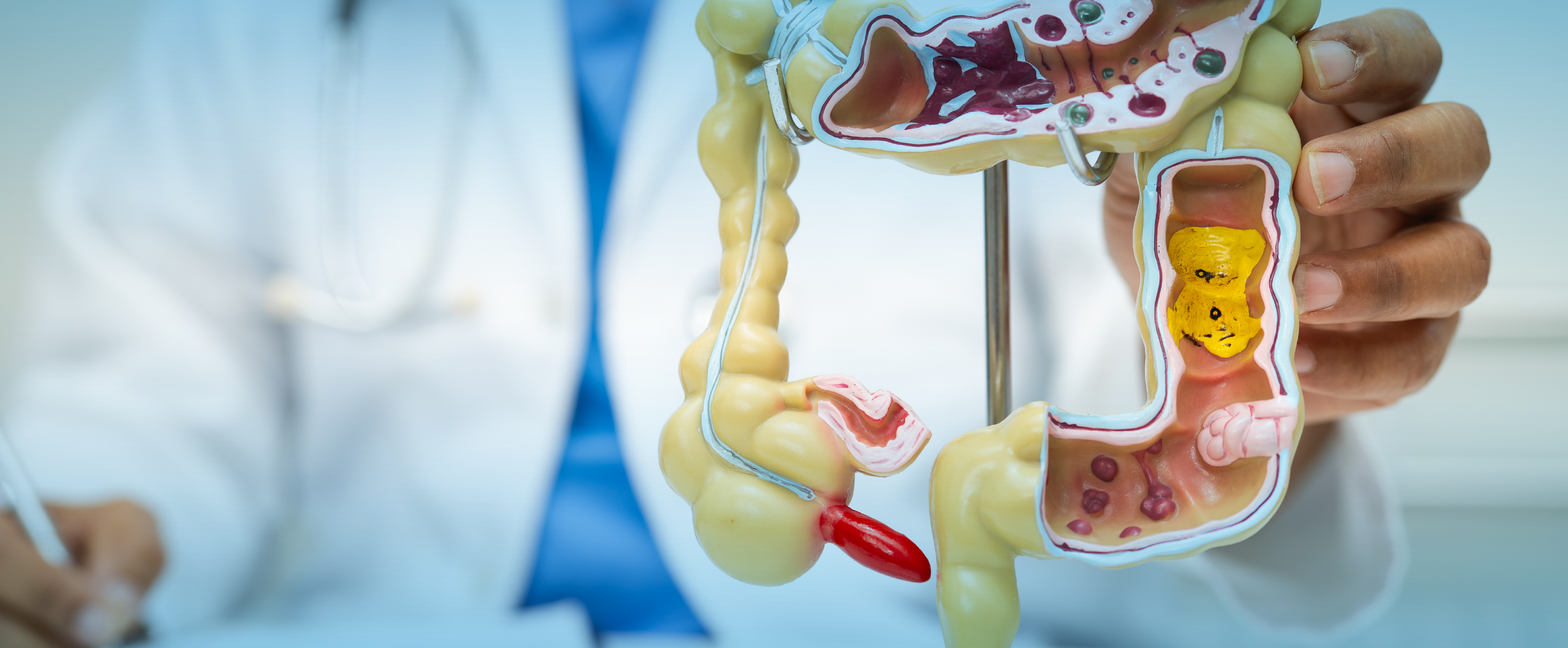
Many patients searching for digestive health tests often come across two commonly recommended procedures: endoscopy and colonoscopy. Although both procedures use similar technology, they serve different purposes and examine different parts of the digestive system. Understanding the difference between endoscopy vs colonoscopy helps patients make informed decisions about their healthcare and reduces anxiety before undergoing these procedures.
In Dubai, both endoscopy and colonoscopy are widely performed in advanced gastroenterology units. These procedures allow doctors to diagnose digestive conditions accurately and treat problems at an early stage. Patients frequently search for trusted endoscopy clinics in Dubai or colonoscopy clinics in Dubai when experiencing symptoms such as abdominal pain, heartburn, or changes in bowel habits.
Modern healthcare providers such as HealthHub Clinics offer both procedures as part of comprehensive digestive health services. This allows patients to receive consultation, diagnostic testing, and follow-up treatment in one integrated system. By understanding how these procedures differ, patients can better recognize which test may be recommended based on their symptoms.
- Colonoscopy Clinic in Dubai
- Endoscopy in Dubai
- General Surgery Cost in Dubai
- Liver Disease Specialist UAE
What Is an Endoscopy?
Endoscopy is a diagnostic procedure used to examine the upper part of the digestive system. It allows doctors to inspect the esophagus, stomach, and upper portion of the small intestine using a thin, flexible tube known as an endoscope. This tube contains a small camera that transmits images to a monitor, enabling doctors to identify abnormalities in real time.
Doctors typically recommend endoscopy for patients experiencing symptoms such as persistent heartburn, difficulty swallowing, nausea, or unexplained stomach pain. The procedure is particularly useful in diagnosing conditions such as gastritis, stomach ulcers, acid reflux disease, and esophageal inflammation.
Endoscopy also allows doctors to collect tissue samples or perform minor treatments during the same procedure. For example, bleeding areas can be treated immediately, and suspicious tissues can be sent for laboratory analysis. Healthcare centers such as HealthHub use modern imaging equipment that enhances diagnostic accuracy and improves patient comfort during endoscopy procedures.
Endoscopy in Dubai
What Is a Colonoscopy?
Colonoscopy is a specialized procedure used to examine the large intestine and rectum. It is performed using a flexible instrument called a colonoscope, which functions similarly to an endoscope but is designed to examine the lower digestive tract.
Doctors commonly recommend colonoscopy for patients experiencing symptoms such as persistent diarrhea, rectal bleeding, or unexplained changes in bowel habits. The procedure is also widely used as a preventive screening method for colorectal cancer, particularly in individuals over the age of 45.
One of the key advantages of colonoscopy is its ability to detect and remove polyps during the same procedure. Polyps are abnormal growths that may develop into cancer if left untreated. Removing these growths significantly reduces cancer risk and improves long-term digestive health outcomes.
Many healthcare providers in Dubai, including structured systems like HealthHub, offer colonoscopy services supported by advanced technology and trained specialists. These facilities ensure safe procedures and accurate diagnosis.
Colonoscopy Clinic in Dubai
Key Differences Between Endoscopy and Colonoscopy
Although endoscopy and colonoscopy share similar technology, their purpose and focus areas differ significantly. The main difference lies in the part of the digestive system examined. Endoscopy focuses on the upper digestive tract, including the esophagus and stomach. Colonoscopy, on the other hand, examines the large intestine and rectum. Because these procedures evaluate different regions, doctors recommend them based on specific symptoms.
Preparation requirements also differ between the two procedures. Colonoscopy requires extensive bowel preparation to clean the intestines, while endoscopy preparation typically involves fasting for several hours before the procedure. Recovery times are generally short for both procedures, although colonoscopy patients may experience temporary bloating due to bowel preparation.
Understanding these differences helps patients feel more confident about the procedure recommended by their healthcare provider.
When Do You Need an Endoscopy?
Doctors recommend endoscopy when symptoms suggest problems affecting the upper digestive tract. Persistent heartburn is one of the most common reasons for referral, especially when symptoms do not improve with medication.
Difficulty swallowing is another symptom that requires immediate evaluation. This may indicate narrowing of the esophagus or inflammation caused by acid reflux. Chronic nausea, vomiting, or upper abdominal pain may also require endoscopy to identify underlying causes.
Patients with long-term digestive conditions such as GERD often undergo periodic endoscopy to monitor disease progression. Gastroenterology specialists at healthcare centers such as HealthHub assess patient symptoms carefully before recommending the procedure.
When Do You Need a Colonoscopy?
Colonoscopy is typically recommended for patients experiencing symptoms affecting the lower digestive tract. Persistent constipation or diarrhea that does not respond to treatment may indicate underlying bowel disorders.
Rectal bleeding is another important warning sign that requires immediate investigation. While bleeding may result from minor issues such as hemorrhoids, it may also indicate more serious conditions such as colorectal cancer.
Routine screening colonoscopy is strongly recommended for adults aged 45 and above. Individuals with family history of colorectal cancer may require earlier screening. Preventive screening helps detect abnormalities early, improving treatment success rates.
Healthcare providers such as HealthHub emphasize the importance of routine screening to maintain long-term digestive health.
 16+ years of exp