Mobile App icon
Enhanced Experience
on our Mobile App

Don’t Let Constipation Affect Your Child’s Overall Health

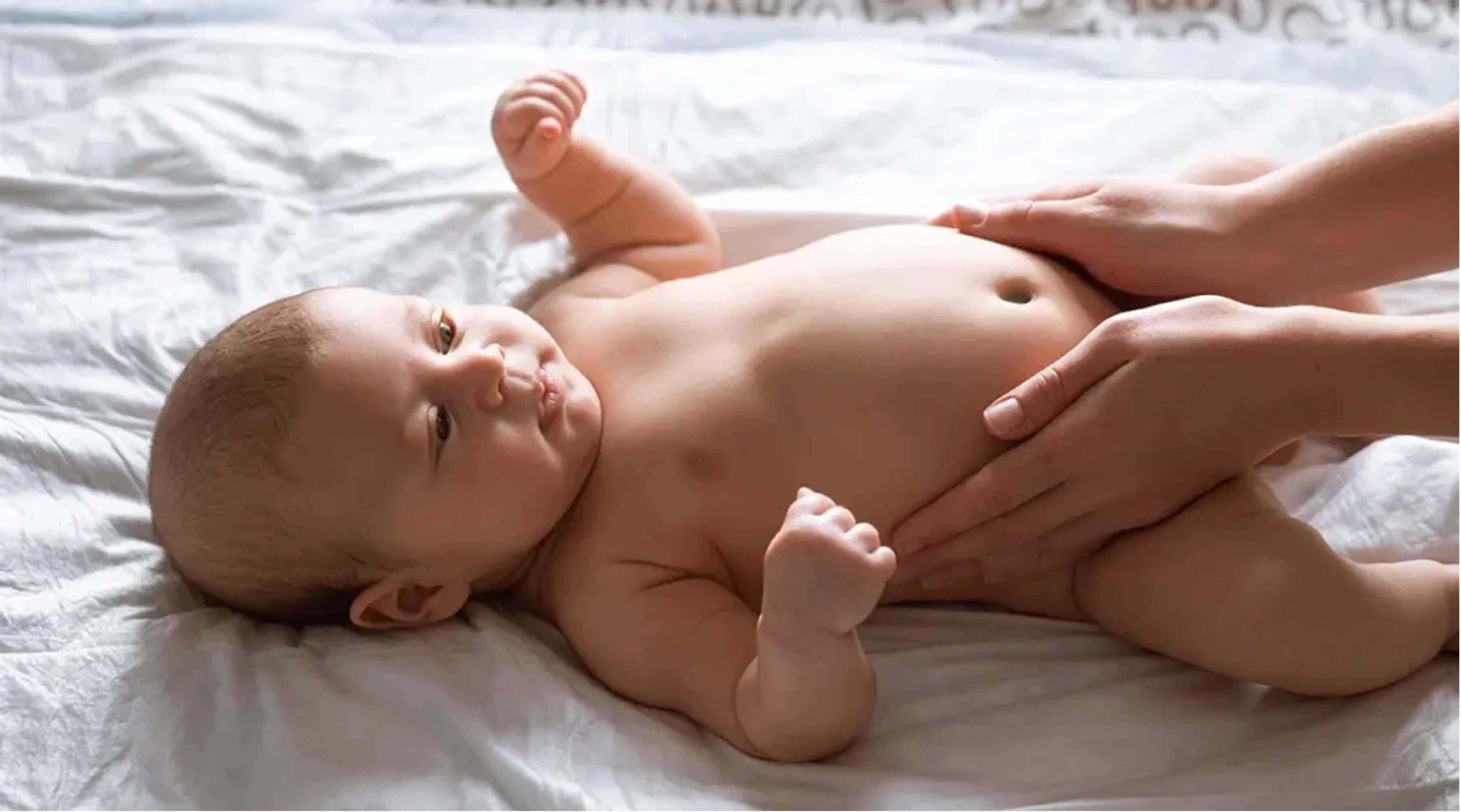
“Doctor, my baby isn’t eating well?!”

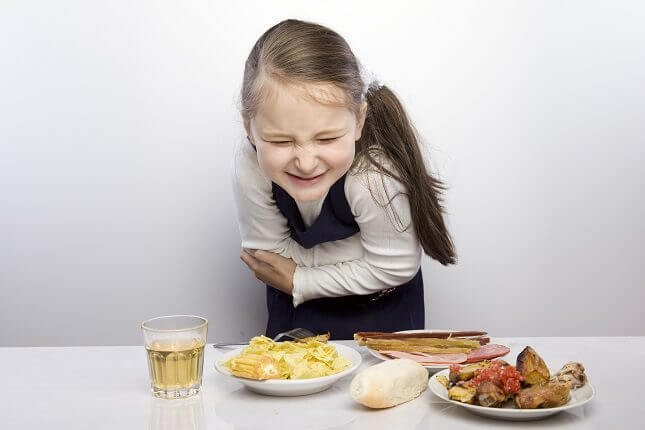
“Doc, my child is having abdominal pain, on and off!”

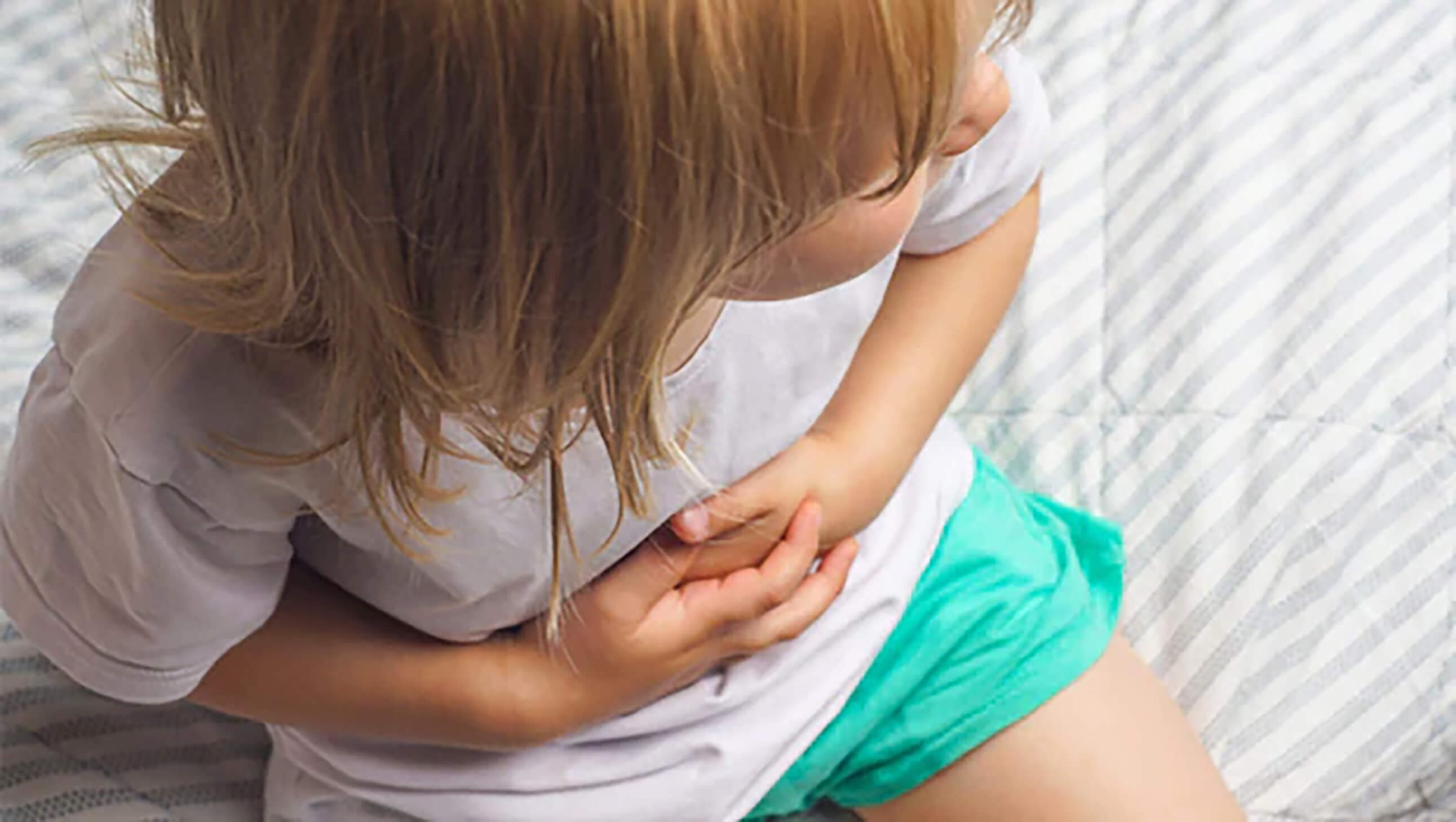
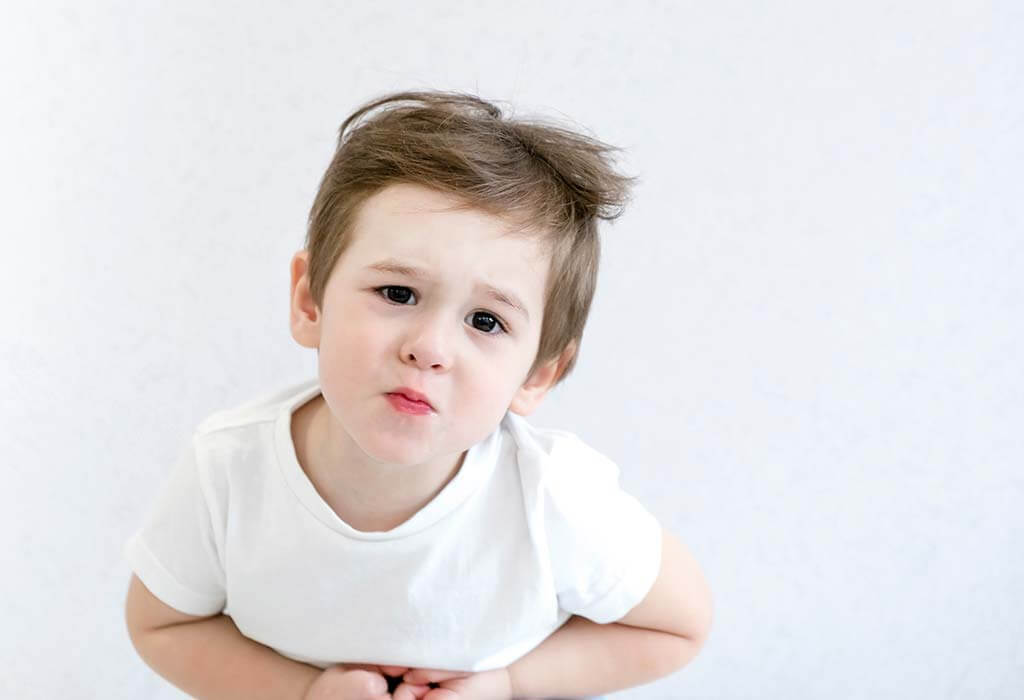
“My child is gripping her stomach in agony and is constantly irritated!”


These are some of the most common concerns we hear from parents who visit our top paediatricians at HealthHub Clinics while describing symptoms affecting their young ones. Very often, the culprit is constipation. To help parents understand, spot, and manage it early, our paediatricians in Dubai have answered the key questions below.

What is Constipation?

Our outstanding paediatrician in Dubai defines constipation as infrequent bowel movement – defecation less than 3 times a week – which can be extremely painful while also causing a bloated feeling and irritation. It can lead to sheer discomfort, stomach pains, loss of appetite, and refusal to eat certain foods. In severe cases, it may affect a child’s overall quality of life and cause emotional distress, affecting academic performance or disrupting recreational activities.

How Common Is Constipation in Toddlers?

Constipation is a common problem affecting nearly 5–30% of toddlers worldwide, most commonly among infants and toddlers between the ages of 2 and 5. In nearly 90–95% of cases it is functional constipation, meaning there is no underlying medical condition causing it. Uncommon cases involve pathological problems like Hirschsprung disease, hypothyroidism, neuromuscular disorders, anatomical problems, or metabolic disorders, which are associated with other signs and symptoms.

How Can You Tell If Your Toddler Is Constipated?

The general rule of thumb: your child displays bowel movements less than three times a week – or even less – and complains of not being able to pass stools because they feel really hard. According to a recent study, stools that are large, hard, and dry, accompanied by painful bowel movements, more gas, soiling between bowel movements, or blood outside the stool are sure signs of constipation.

It’s normal if your child has a bout of constipation once in a while. But if your toddler’s constipation lasts for two weeks, it’s a sign of chronic constipation, which requires the attention of our outstanding team of paediatricians at HealthHub Clinics.


What Are the Symptoms of Constipation in Children?

As children get older, they may show mostly “social symptoms” when joining school — not using toilets because of lack of privacy or bathroom cleanliness, or when their physical activity goes down.

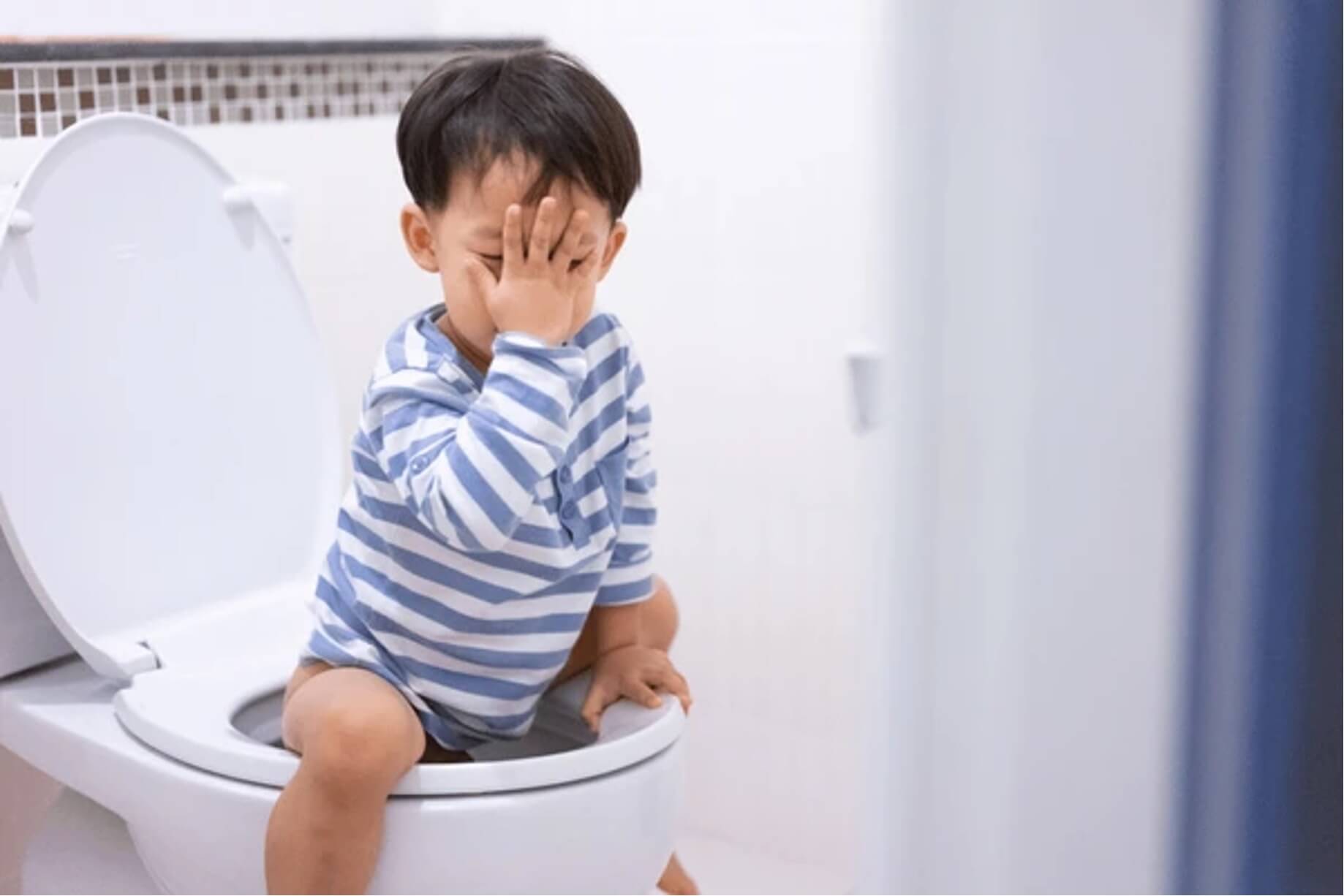
Among infants and toddlers, watch for withholding behaviour (a result of anxiety or avoidance of the pain associated with defecation): squatting, crossed legs, stiffening of the body, holding on to furniture, flushing, and sweating while passing stool. Children may also show persistent soiling, bleeding in the rectum, and passage of hard or small “goat-like” poops.

Other symptoms that can occur along with constipation include:

  • Stomach pain
  • Bloating
  • Nausea or dizziness
  • Loss of appetite
  • General crankiness
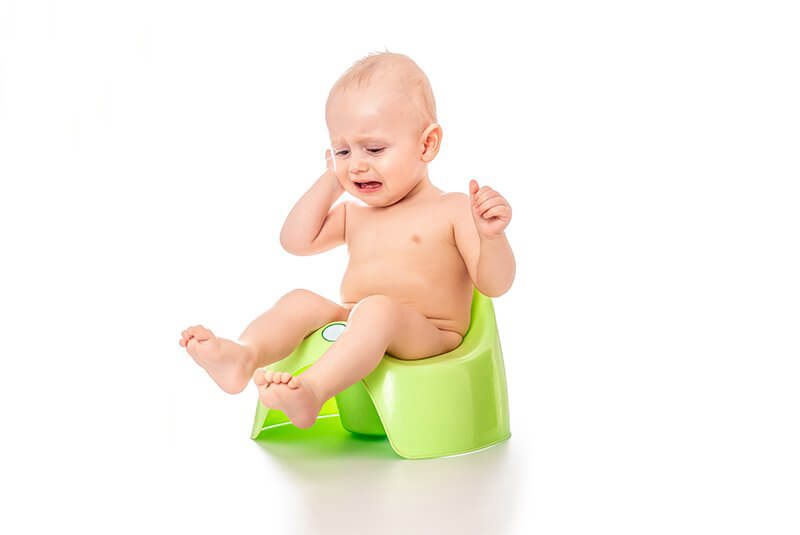
  • Crying or screaming during bowel movements
  • Avoiding the toilet (clenching the buttocks, crossing the legs, turning red, sweating, or crying)
  • Smears or bits of liquid stool in the diaper or underwear (soiling)

Our best paediatricians in Dubai recommend keeping track of your child’s bowel movements – when and how often they occur, how big and hard the stools are, and whether there is any blood in your toddler’s stool.

What Causes Constipation in Children?

There are many things that can cause constipation in toddlers, from diet to medication. Most children develop chronic constipation because of fear following a prior painful experience of defecation. In infants, it is very common during weaning or when changing milk feeding – from breastfeeding to formula or fresh milk. Toddlers often find toilet training painful and distract themselves with toys and games. Constipation can also occur during acute illness or post-gastroenteritis, or when children are emotionally affected by routine changes during travel, a change of place, the arrival of a new sibling, or other stressful situations.

Poor diet

The culprit in many cases of toddler constipation is a diet too heavy in processed foods, dairy, and sweets, or too light in fiber (whole grains, fruits, and vegetables). Not drinking enough water also leads to constipation, because it makes stools harder. Changes in diet — especially when your infant transitions from breast milk or formula to cow’s milk, or starts new foods — can also affect the stools while contributing to childhood obesity.

Keeping it in

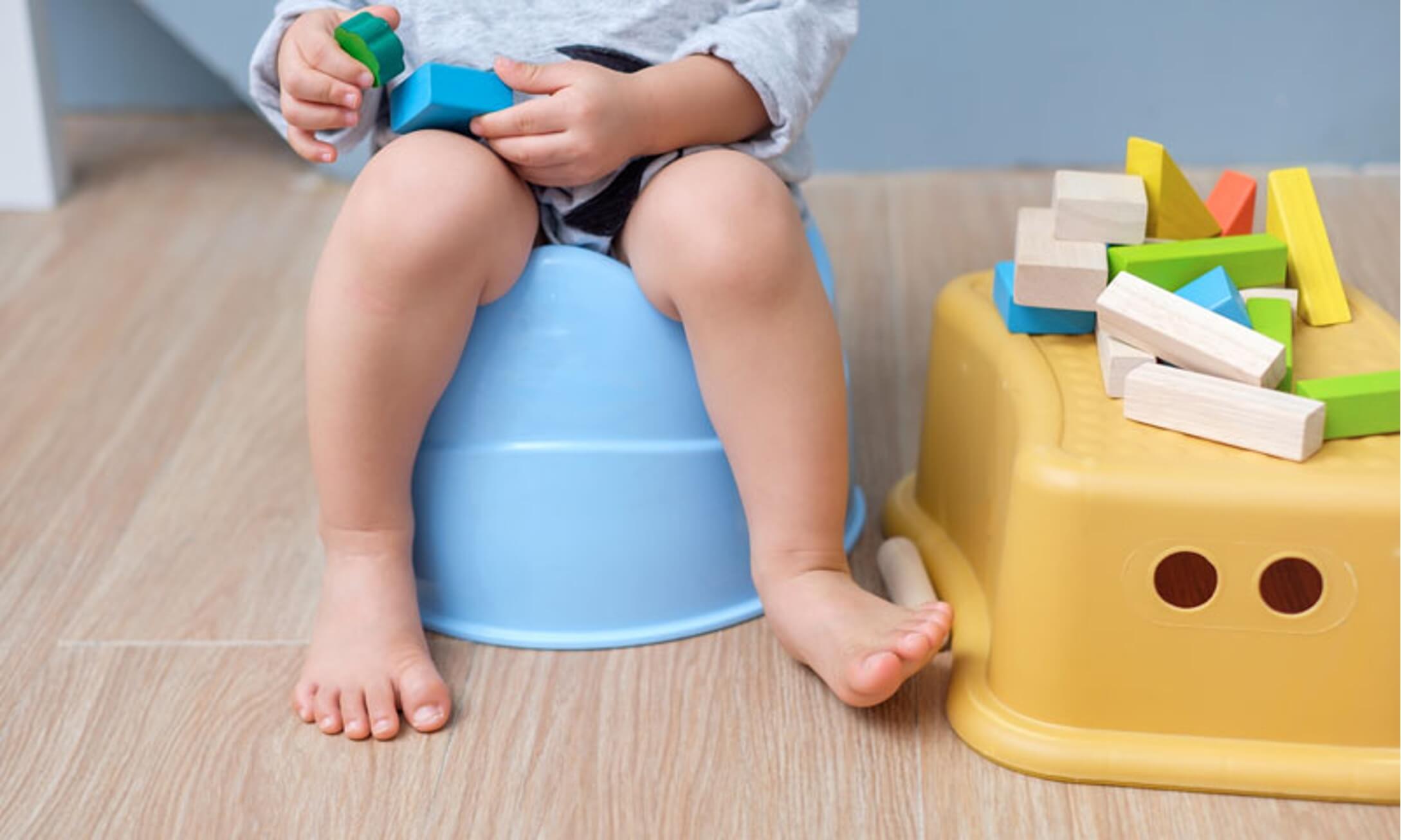
Your average 2-year-old is far more interested in games than sitting on the toilet. Some children also have a primal fear or embarrassment about using a public restroom, and toddlers who rebel against toilet training sometimes express their power struggle by refusing to go.

Avoiding discomfort

Constipated toddlers who’ve had painful bowel movements in the past sometimes avoid the toilet out of fear it will hurt again. This can turn into an uncomfortable cycle: stool builds up in the lower bowel, getting bigger and harder until it’s even more difficult and painful to pass.

Change in routine

While away on vacation, being away from their normal toilet and the lack of familiarity can prevent some toddlers from going.

Poor physical activity

Exercise helps with the movement of food through the digestive process.

Change in appetite

Changes in appetite due to a stomach bug or other illness can affect your child’s diet, leading to constipation. It could also be a cause of allergies to specific types of food, which may need the help of our paediatric allergist in Dubai.

Medications and after-effects 

Medications or supplements with high doses of iron, or those used for narcotic pain relief, can cause constipation — though not the low-dose iron found in baby formula.

Physical ailments 

In rare cases, illnesses of the intestines, anus, or rectum can cause chronic constipation. Cerebral palsy and other nervous system disorders can also affect a child’s ability to go to the toilet.

How Do Paediatricians Diagnose Constipation in Children?

According to our top-rated paediatricians in Dubai, reviewing the patient’s medical history is very important to identify the trigger factors of constipation. A rectal examination along with an abdominal examination is very important in cases of abdominal pain and constipation, as it may help rule out Hirschsprung disease clinically. In most cases, investigations are not required unless pathological causes need to be ruled out. When needed, investigations like an abdominal X-ray, contrast enema, anorectal manometry, rectal biopsy, or abdominal ultrasound (USG) are used to diagnose pathological constipation.

How Is Constipation in Children Treated?

Our best paediatrician in HealthHub Clinic would recommend medication to treat your toddler’s constipation, especially if the case turns out to be chronic. Patient and parent education is a very important aspect of treating functional constipation, as it is an extremely common problem, and management emphasizes aggressive and persistent treatment. 

The basic approach covers:

  1. Immediate evacuation of the colon and eliminating pain while passing stools
  2. Use of medications for regular bowel habits
  3. Dietary modifications and healthy diet plans
  4. Identifying triggers and addressing issues like toilet training or milk/diet
  5. Prevention of recurrence

Colonic evacuation is generally done with enemas, suppositories, oral medication like polyethylene glycol, and stimulant medications. Anal pain can be reduced by local application of xylocaine ointment or hydrocortisone.

Colonic evacuation is generally done with enemas, suppositories, oral medication like polyethylene glycol, and stimulant medications. Anal pain can be reduced by local application of xylocaine ointment or hydrocortisone.

The importance of regular use of laxatives or stool softeners like lactulose or polyethylene glycol for longer periods should be emphasized to parents. According to our top paediatrician in Dubai, parents also need to be educated about regular bowel retraining (positive reinforcement with rewards) and addressing trigger factors.

Remember- prevention of constipation at an early age is very important, as chances of recurrence are high.

What Home Remedies Help Relieve Constipation in Toddlers?

Choose the right diet

Increasing non-dairy fluids and fiber in your child’s meals helps soften stools and makes them easier to pass. High-fiber foods include fruits and naturally squeezed fruit juices containing prune, mango, and pear, as well as greens and vegetables such as broccoli, peas, and beans, plus whole-grain breads and cereals. Limiting low-fiber, fatty foods – such as milk (to 16 ounces a day) and red meat –  can also help.

Help develop bowel habits

Toilet-train your child at a young age at regular scheduled times during the day, especially after meals or whenever they feel the urge to go – this sets the body’s natural rhythm for the long term. Rewarding your toddler for using the toilet with a special story or a sticker makes it a positive experience and a long-running habit.

Exercise regularly

Make sure your toddler plays for at least 30 minutes to an hour a day – it helps keep the bowels moving too.


Constipation is common, treatable, and — with early attention — preventable. Keep an eye on your child’s bowel habits, build fiber, fluids, play, and toilet routines into daily life, and don’t wait if the problem persists. Book an appointment right away with a reliable paediatrician in Dubai or talk to our team of paediatricians at HealthHub Clinics today on 800 2344.

Book an appointment right away with a reliable paediatrician in Dubai or talk to our team of paediatricians at HealthHub Clinics today on 800 2344.

How often should a toddler have a bowel movement?

Bowel habits vary from child to child, but fewer than three bowel movements a week is the general threshold paediatricians use to define constipation. What matters most is a consistent pattern and stools that are soft and easy to pass — large, hard, dry, or painful stools are a warning sign even if frequency seems adequate.

When should I take my child to a doctor for constipation?

An occasional bout of constipation is normal. See a paediatrician if constipation lasts two weeks or more (chronic constipation), or sooner if it is accompanied by blood in the stool, persistent soiling, severe abdominal pain, vomiting, fever, weight loss, or poor appetite. The paediatric team at HealthHub Clinics in Dubai can assess your child and rule out rare underlying causes such as Hirschsprung disease or hypothyroidism.

What foods help relieve constipation in toddlers?

Fiber-rich foods and plenty of non-dairy fluids are the foundation. Offer fruits and natural juices containing prune, pear, and mango; vegetables such as broccoli, peas, and beans; and whole-grain breads and cereals. At the same time, limit constipating foods — keep milk to about 16 ounces (roughly 500 ml) a day and reduce processed foods, sweets, and red meat.

Where can I find a trusted paediatrician for my child's constipation in Dubai?

HealthHub Clinics by Al-Futtaim has an outstanding team of paediatricians across Dubai, including  JVC, Festival Plaza and Arabian Center, experienced in diagnosing and treating constipation in infants and toddlers – from functional constipation to rarer pathological causes. To book an appointment with a reliable paediatrician in Dubai, call 800 2344.

Post Image 24+ years of exp

Article Reviewed by

Dr. Chaula Sangani

Specialist Paediatrician

no text found

Languages
English, Hindi, Gujarati and Basic Arabic
Clinics

HealthHub - Discovery Gardens