Enhanced Experience
on our Mobile App

Colorectal Cancer Screening in the UAE: Why Adults 40+ Should Not Wait for Symptoms

Colorectal (colon) cancer is one of the most preventable cancers we know—yet many people are still diagnosed at a late stage, when treatment is more complex and outcomes are poorer. In the UAE, colorectal cancer is among the most common cancers in both men and women, which is why health authorities have made early screening a major priority.

One of the most important messages for people living in the UAE is simple:

If you are 40 or older, don’t wait for symptoms. Talk to your doctor about colorectal cancer screening.


Unlike some places where screening only starts at 45 or 50, adults in the UAE are often advised to begin screening from the age of 40, even if they feel completely well.

Colorectal cancer in the UAE: why early screening matters

Colorectal cancer usually develops slowly. Most cancers begin as small, non‑cancerous growths called polyps inside the colon or rectum. Over several years, some polyps can change and become cancerous.

Without screening, these changes may go unnoticed until the disease is already advanced. With screening, however, doctors can:

  • Find and remove polyps before they turn into cancer
  • Detect cancer earlier, when it is more treatable
  • Reduce the risk of dying from colorectal cancer

Screening is powerful because it targets people who feel completely fine—not just those with symptoms.

Why age 40 is a turning point in the UAE

In the UAE, colorectal cancer is being seen more often in younger adults than many people expect, including those in their 40s. This is one reason why several local programmes encourage men and women to:

  • Begin screening at age 40
  • Continue regular screening until around age 75, based on overall health and doctor advice

Typical options for average‑risk adults include:

  • stool test at regular intervals
  • Colonoscopy at longer intervals

The key point is this:


If you are 40 or older and live in the UAE, you are already in the age group where screening should be on your health checklist.

Why you shouldn’t wait for symptoms

Many people assume that serious bowel disease will be obvious. In reality, early colorectal cancer often causes no symptoms.


When warning signs do appear, they may be easy to dismiss or blame on something else. These can include:

  • Blood in or on the stool
  • A change in bowel habits lasting more than a few weeks (diarrhoea, constipation, or narrower stools)
  • Persistent abdominal pain, bloating or cramping
  • Unexplained weight loss or fatigue
  • A feeling that your bowel does not empty completely


These symptoms do not always mean cancer, but they are a reason to seek medical advice quickly. The challenge is that they often appear later in the process. Screening is about not waiting for this stage.

Your main screening options

The best screening test for you depends on your age, risk factors and what is available in your clinic. For most adults from 40 onwards, the common options are:

  1. FIT stool test (Faecal Immunochemical Test)

The FIT test is a simple stool test that checks for tiny amounts of blood that are not visible to the eye.

  • You collect a sample at home using a small kit
  • The sample is returned to the lab for analysis
  • If the result is negative, your doctor will advise when to repeat the test
  • If the result is positive, a colonoscopy is usually recommended to look more closely

FIT is:

  • Non‑invasive
  • Quick and easy to do at home
  • A good first‑line option for many people in the 40+ age group
  1. Colonoscopy

colonoscopy allows a specialist doctor to examine the entire colon and rectum using a thin, flexible camera.

  • It is usually done under sedation, so you are comfortable and relaxed
  • If polyps are found, they can often be removed during the same procedure
  • If everything looks normal and you are at average risk, colonoscopy may not need to be repeated for many years, unless your doctor advises otherwise

Colonoscopy is considered the gold standard because it can both detect cancer and prevent many cancers by removing polyps before they change.

  1. Newer blood‑based screening tests

Some centres also offer blood‑based screening tests that look for DNA changes linked to colorectal cancer or advanced polyps. These tests can be an additional option for certain people, but they do not replace colonoscopy. If a blood test is positive, further evaluation is still required.

Your doctor will explain which of these options are suitable for you and how often you should be screened.

Who needs earlier or more frequent screening?

While average‑risk adults often start screening at 40 in the UAE, some people may need to start earlier or be screened more often. You should speak to your doctor as soon as possible if you have:

  • first‑degree relative (parent, brother, sister, or child) with colorectal cancer or advanced polyps
  • A personal history of polyps or colorectal cancer
  • Long‑standing inflammatory bowel disease (such as ulcerative colitis or Crohn’s disease affecting the colon)
  • A known inherited syndrome that increases colorectal cancer risk
  • Previous abdominal or pelvic radiation for other cancers

In these cases, your screening plan will be personalised and may involve earlier and more frequent colonoscopies.

What to expect when you book screening

Many people delay screening because they are unsure what to expect or feel nervous about the process. Knowing the steps can help.

Step 1: Consultation

Your journey starts with a conversation. Your doctor will:

  • Review your medical and family history
  • Ask about any bowel changes or other symptoms
  • Discuss the benefits and limitations of different screening tests
  • Help you decide whether to start with a stool test or go directly to colonoscopy

Step 2: Preparation (if you have a colonoscopy)

If colonoscopy is recommended, you will receive clear instructions on:

  • What to eat and drink in the days before the procedure
  • How to take the bowel preparation solution so the colon is clean
  • Whether you need to adjust any current medications

Most patients say the preparation is the least pleasant part, but it is essential for a clear and reliable examination.

Step 3: The procedure

On the day of a colonoscopy:

  • You are given sedation to keep you relaxed and comfortable
  • The doctor gently advances the camera through the colon, looking for polyps or other changes
  • Any polyps found are usually removed immediately and sent for analysis

The procedure itself typically takes around 20–30 minutes, followed by a short recovery period.

Step 4: Results and follow‑up

Your doctor will:

  • Explain any initial findings
  • Discuss whether polyps were removed and what that means

Advise when you should next be screened, based on the results and your risk factors

Who needs earlier or more frequent screening?

Making colorectal screening part of your 40+ health plan

Many people in their 40s and 50s are focused on careers, children, ageing parents and financial responsibilities. Health can easily slip down the priority list. Yet screening for colorectal cancer is one of the most important long‑term health investments you can make.

It is:

  • A proven way to reduce your risk of developing colorectal cancer
  • A key tool for catching cancer early, when treatments are simpler and more effective
  • A powerful way to protect your quality of life and be there for the people who rely on you

Take the next step: talk to your doctor

If you are 40 or older and live in the UAE, now is the time to ask a simple question:

“Am I due for colorectal cancer screening?”

At HealthHub Clinics, our family medicine doctors and gastroenterology team can:

  • Review your personal and family history
  • Explain the screening options in clear, simple language
  • Help you decide which test is right for you and when to do it
  • Coordinate your screening and follow‑up in a supportive, patient‑centred environment

Book your colorectal cancer screening conversation

Don’t wait for symptoms to tell you something is wrong.
Use this year as the moment you take action.


Book an appointment with a HealthHub doctors in Dubai to discuss colorectal cancer screening, understand your risk, and put a clear plan in place—so you can look after your health and continue to live well every day.

Health Hub in Dubai Best medical center

Why Choose HealthHub Clinics?

  • Extensive Experience
  • Advanced Facilities
  • Affordable premium services
  • Trusted Al-Futtaim brand

Connect with our experienced doctors at HealthHub Clinics to learn more or call 800 2344. to book your appointment.

Post Image 16+ years of exp

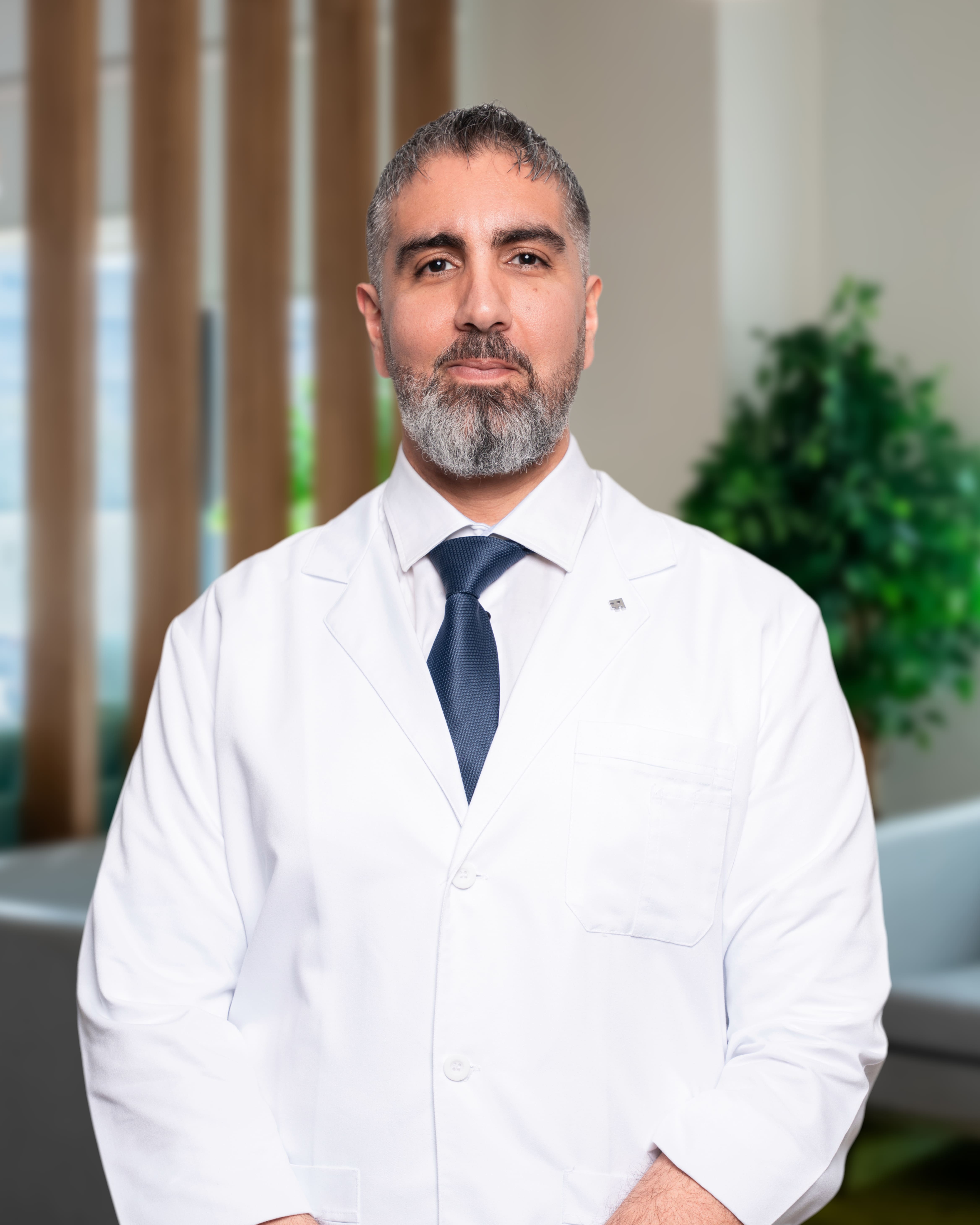
Article Reviewed by

Dr. Khaldun Al-Shaheen

Consultant Gastroenterologist

no text found

Languages
English, Swedish and Arabic
Clinics

HealthHub Day Surgery - Festival City