Colonoscopy is one of the most effective diagnostic procedures used to examine the large intestine and detect conditions affecting digestive health. In Dubai, colonoscopy services are widely available at modern medical facilities, allowing patients to receive accurate diagnosis and early treatment for gastrointestinal disorders. Many patients search for a reliable colonoscopy clinic in Dubai when experiencing persistent digestive symptoms or undergoing routine screening for colorectal cancer.
With increasing awareness of preventive healthcare, colonoscopy has become an essential screening tool, particularly for individuals over the age of 45 or those with a family history of colorectal diseases. Early detection of abnormalities such as polyps, inflammation, or tumors significantly improves treatment outcomes and reduces the risk of complications.
At multidisciplinary healthcare centers such as HealthHub Clinics, colonoscopy procedures are typically performed using advanced endoscopic technology under the supervision of experienced gastroenterologists and general surgeons. These modern techniques allow precise visualization of the colon while ensuring patient comfort and safety throughout the procedure.
Understanding how colonoscopy works, how to prepare for it, and what to expect afterward can help patients feel more confident and reduce anxiety before undergoing the procedure.
- Endoscopy Dubai Guide
- General Surgery Cost in Dubai
- Liver Disease Specialist UAE
- When to See a Gastroenterologist
What Is a Colonoscopy?
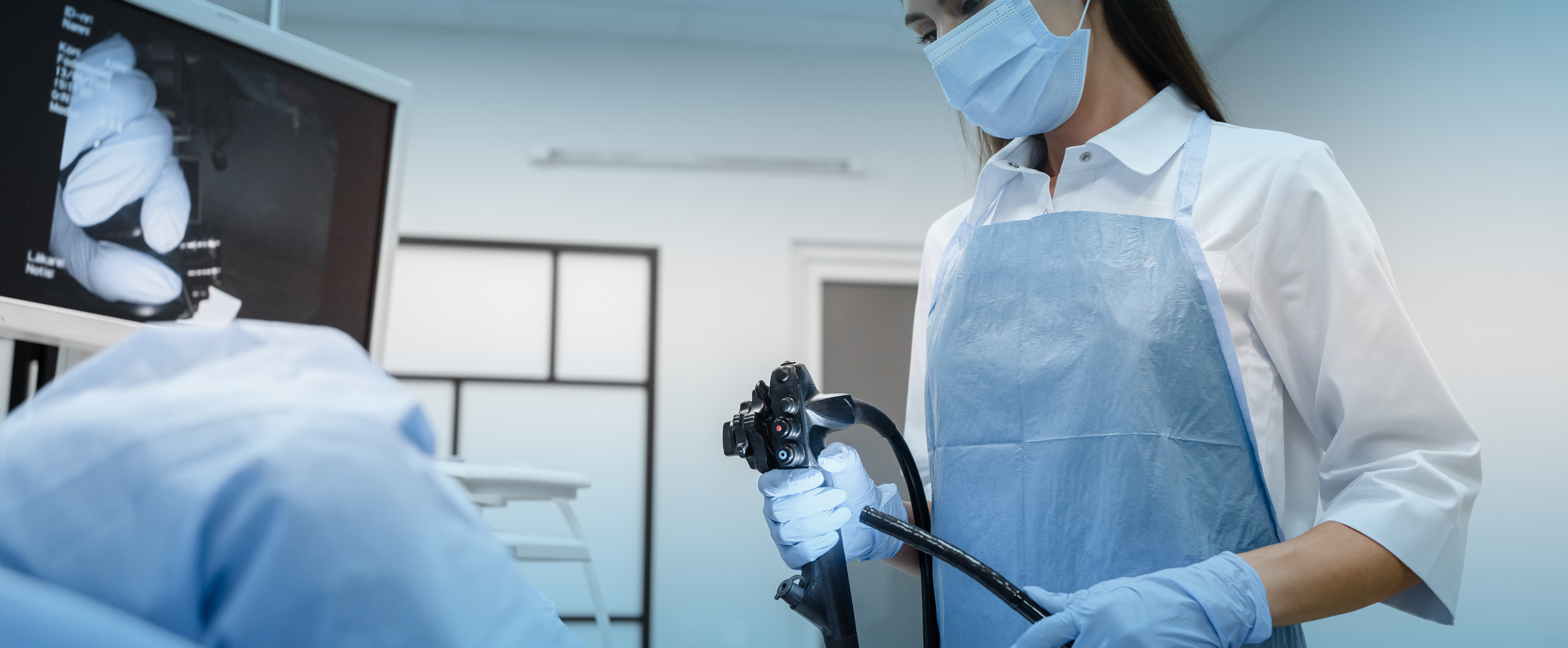
A colonoscopy is a medical procedure used to examine the inner lining of the large intestine (colon) and rectum. During the procedure, a long flexible tube called a colonoscope is inserted through the rectum. This device contains a small camera that allows doctors to view high-resolution images of the colon on a monitor.
Colonoscopy plays a crucial role in detecting a wide range of gastrointestinal conditions. These include colorectal polyps, inflammatory bowel disease, ulcers, bleeding sources, and early signs of cancer. Unlike many diagnostic tests, colonoscopy also allows doctors to remove abnormal growths or collect tissue samples during the same procedure.
Many healthcare providers in Dubai, including integrated clinics like HealthHub, offer colonoscopy as part of comprehensive digestive health services. The availability of modern imaging technology ensures accurate diagnosis and timely treatment for patients experiencing digestive symptoms.
Why Colonoscopy Is Important for Digestive Health
Colonoscopy is widely recognized as one of the most reliable tools for detecting colorectal diseases at an early stage. Early detection plays a vital role in preventing serious complications and improving survival rates for colorectal cancer.
One of the primary benefits of colonoscopy is the ability to identify polyps before they become cancerous. Polyps are small growths that form on the lining of the colon. Although many polyps are harmless, some may develop into cancer over time if left untreated. Removing these polyps during colonoscopy significantly reduces cancer risk.
In addition to cancer screening, colonoscopy is used to evaluate unexplained abdominal pain, persistent diarrhea, chronic constipation, and rectal bleeding. Patients with inflammatory bowel diseases such as Crohn’s disease or ulcerative colitis also require regular colonoscopy monitoring to assess disease progression.
Healthcare providers at facilities such as HealthHub emphasize routine screening for individuals with risk factors, including family history of colon cancer, obesity, smoking, or long-term digestive symptoms.
When Do You Need a Colonoscopy?
Doctors recommend colonoscopy when patients show symptoms that suggest possible digestive tract problems. While some symptoms may appear minor at first, persistent changes in bowel habits should always be evaluated.
Common reasons to undergo colonoscopy include:
- Persistent abdominal discomfort that does not improve with medication often indicates underlying digestive issues. Similarly, unexplained weight loss, frequent diarrhea, or blood in the stool may signal serious conditions requiring medical attention. In some cases, colonoscopy is performed as part of routine screening, particularly for individuals above 45 years of age.
- Patients who have previously undergone treatment for colon polyps or cancer may also require follow-up colonoscopy to monitor recovery and detect recurrence early.
➡ When to See a Gastroenterologist
How to Prepare for Colonoscopy
Proper preparation is essential to ensure accurate results during colonoscopy. The colon must be completely clean so that the doctor can clearly examine the intestinal lining.
Preparation usually begins one to two days before the procedure. Patients are advised to switch to a liquid diet that includes clear soups, juices, and water. Solid foods are typically avoided during this period. Doctors also prescribe a bowel-cleansing medication, known as a laxative solution, to empty the intestines before the procedure.
Although preparation may feel inconvenient, it is one of the most important steps in achieving reliable diagnostic results. Patients treated at structured healthcare systems like HealthHub are usually given detailed preparation instructions to ensure comfort and successful examination.
What Happens During the Colonoscopy Procedure
Colonoscopy is usually performed as an outpatient procedure and typically takes between 30 and 60 minutes. Before the procedure begins, patients receive mild sedation to help them relax and remain comfortable.
During the procedure, the colonoscope is gently inserted through the rectum and guided along the colon. The camera attached to the scope provides real-time images that allow doctors to inspect the intestinal lining carefully. If abnormal growths such as polyps are detected, they may be removed immediately using specialized instruments.
Because sedation is used, most patients experience little or no discomfort. After completion of the procedure, patients remain under observation for a short period before being discharged.
Many modern endoscopy units in Dubai, including those at HealthHub centers, are equipped with advanced visualization systems that enhance accuracy and improve patient safety.
Recovery After Colonoscopy
Recovery from colonoscopy is generally quick and uncomplicated. Most patients can return home on the same day after the sedation wears off. However, mild bloating or gas discomfort may occur due to the air introduced into the colon during the procedure.
Patients are typically advised to rest for the remainder of the day and avoid driving or operating heavy machinery. Light meals can usually be resumed within a few hours unless otherwise instructed by the doctor.
If polyps were removed during the procedure, doctors may recommend temporary dietary restrictions and schedule follow-up visits to monitor healing.
At facilities such as HealthHub, patient recovery protocols focus on safety, comfort, and clear post-procedure guidance to ensure smooth recovery.
Colonoscopy Cost in Dubai
The cost of colonoscopy in Dubai varies depending on several factors, including the complexity of the procedure, sedation method, and additional services such as biopsy or polyp removal.
Typical colonoscopy costs include:
- Standard colonoscopy: AED 3,500 to AED 6,500
- Colonoscopy with biopsy: AED 5,500 to AED 8,500
- Colonoscopy with polyp removal: AED 6,500 to AED 9,500
Patients are encouraged to verify insurance coverage, as many insurance plans include colonoscopy screening when recommended by a doctor.
➡ General Surgery Cost in Dubai
 16+ years of exp