Mobile App icon
Enhanced Experience
on our Mobile App

Back Pain to Bleeding: Get to Know Endometriosis More

Understanding endometriosis — like its hard-to-pronounce name — is a challenge of sorts. It is one of the most common yet often misunderstood gynaecological disorders affecting women. To make it easier, the expert gynaecologists at HealthHub Clinics by Al-Futtaim in Dubai have answered the key questions every woman should know, from symptoms and causes to the treatment options available in the UAE.

So what is Endometriosis?

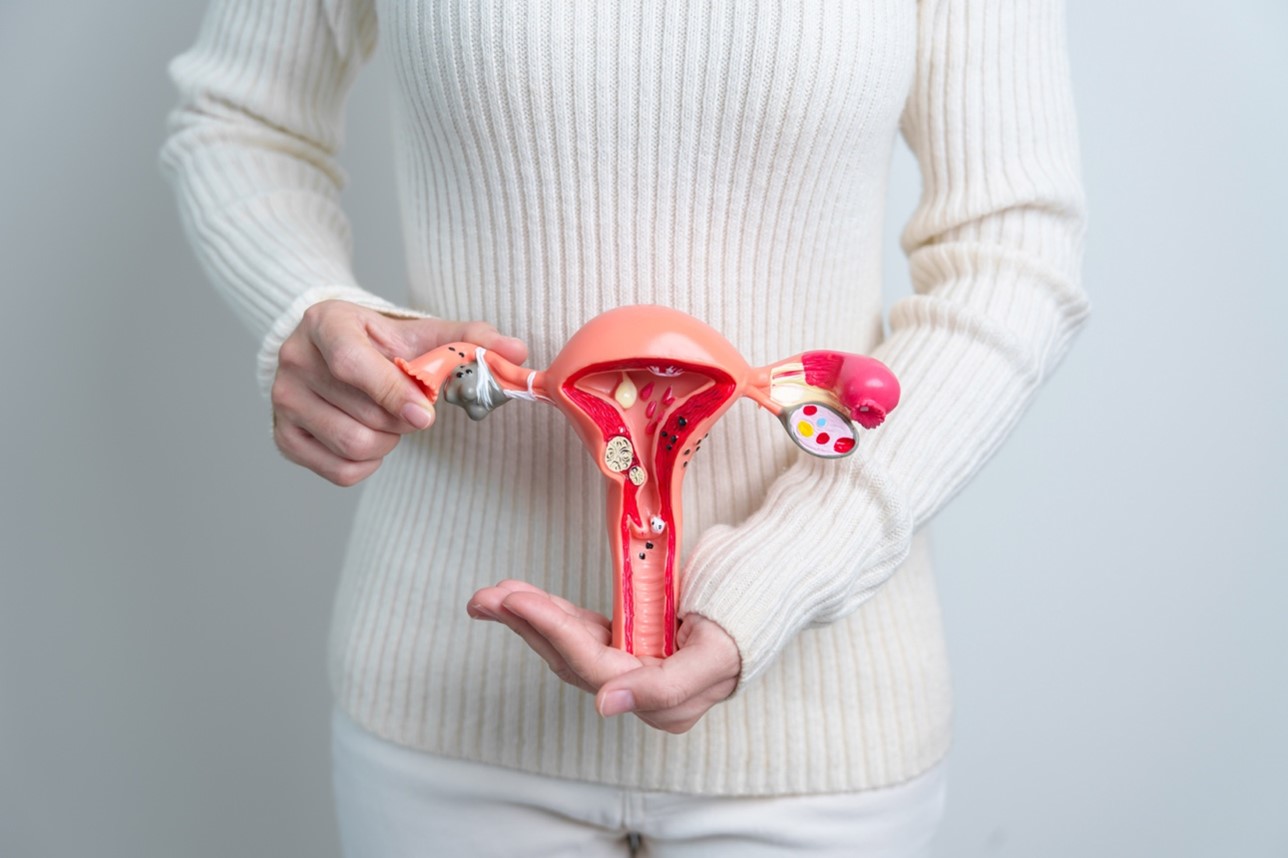
Endometriosis is a chronic condition that occurs when tissue that looks exactly like the lining of the uterus begins to grow outside the uterus, causing painful symptoms and possible complications. Because this tissue has no way to leave the body, it can cause inflammation, scarring, and extremely painful lesions. When endometriosis develops in the ovaries, it is popularly referred to as a “chocolate cyst.”

Endometriosis can be found in several parts of the reproductive system, including the wall of the uterus (a related condition called adenomyosis), the fallopian tubes, the pelvis and peritoneum, the area between the vagina and rectum, and — most commonly — the ovaries.

How Common Is Endometriosis?

Endometriosis is a very common condition, affecting 1 in 10 women, and over 170 million people worldwide are affected. You are more likely to develop endometriosis if your mother or sister has had it. As a long-term condition, it can have a significant impact on your general physical health, emotional wellbeing, and daily routine — which is why awareness and early detection matter.

How Has HealthHub Clinics Treated Endometriosis? Two Real Patient Stories:

There is no one-size-fits-all approach to endometriosis, as these two documented cases from HealthHub Clinics show (actual names undisclosed for privacy):

“Raphael Bonita,” a 35-year-old, happily married Filipina real estate executive who had lived in the UAE for 18 years, experienced sharp, shooting pelvic pain that completely threw her working life off-gear. After being diagnosed with endometriosis, a laparoscopic procedure was advised to remove the cystic growth. After the operation, she is now a happier and healthier version of herself, and the gynaecologists at HealthHub Clinics have advised lifestyle changes to help her maintain her health.

“Alisha Ahmad,” a 29-year-old, bright and bubbly marketing executive based in Al Barsha, was facing issues conceiving. Further diagnosis revealed a severe case of endometriosis. Our doctors’ recommendation was two-fold: laparoscopic surgery, followed by IVF treatment. Looking back, Alisha has come a long way – she is today the happy mom of a budding, healthy 2-year-old girl.

What Are the Symptoms of Endometriosis?

It’s a red flashing sign if you notice any of these symptoms:

  • Severe, crippling back pain during your period
  • Menstrual cramps of increasing severity that last long
  • Painful, irregular, or heavy bleeding
  • Pain while passing urine or motions during your period, followed by spots of blood in your urine or stools
  • Extreme cases of loose motion or constipation
  • Fatigue that won’t go away, and chronic tiredness
  • Infertility issues
  • Pain during or after sex

If you experience any of these symptoms, notify your doctor at the very first instance — early detection is key.

What Causes Endometriosis?

There is no definite cause of endometriosis, according to a 2020 study in the International Journal of Environmental Research & Public Health — a gap made worse by ignorance and a dismissive bias towards women’s health. While the exact cause has not been fully established, several contributing patterns have been identified:

Hormonal Imbalances:

Imbalanced estrogen levels can stimulate the growth of endometrial tissue.

Embryonic cell transformation:

Estrogen may transform embryonic cells — in the earliest stages of development — into endometrial-like cell implants during puberty.

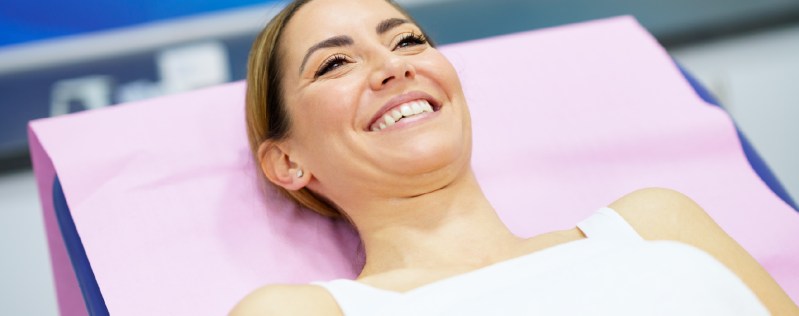
women health obe gyne checkup

Retrograde Menstruation:

A much-debated theory suggesting that menstrual blood flows backward through the fallopian tubes into the pelvic cavity, where it can implant and grow.

Affected immunity:

Immunity disorders may prevent the body from identifying and targeting endometrial-like tissue growing outside the uterus.

Hereditary history:

Studies indicate endometriosis could have a genetic link, especially among women whose family members suffer from it. If your sister, mother, or grandmother has endometriosis, there is a higher possibility it could be passed on to you — and the intensity and spread seem to increase with each passing generation.

Transformation of peritoneal cells:

Researchers believe hormones or immune disorders may transform peritoneal cells — which line the inner side of the abdomen — into endometrial-like cells.

Surgical scars:

After a surgery such as a hysterectomy or C-section, endometrial cells may attach themselves to the surgical incision (surgical scar implantation).

There’s no one-size-fits-all approach — as the two case histories above show. That’s why the team of gynaecologists at HealthHub Clinics recommends a multi-disciplinary approach to treating endometriosis, tailored to the severity and uniqueness of each case:

Laparoscopic Surgery:

The most popular approach to treating endometriosis. This minimally invasive surgery can help diagnose and remove endometrial implants, cysts, and scar tissue — providing relief from symptoms while also improving the chances of conceiving.

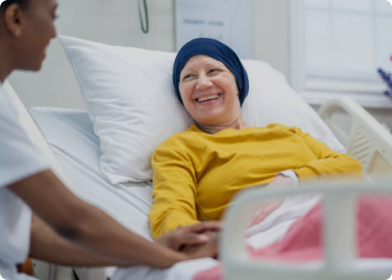
women health patient with nurse checkup derma

Medicines:

The conventional approach can involve pain-relief medications and hormonal therapies, including the Combined Oral Contraceptive (COC), MIRENA, progestogens (as oral tablets, minipills, injections, or implants), and gonadotropin-releasing hormone (GnRH) agonists — to manage symptoms and reduce the growth of endometrial tissue.

Lifestyle Changes:

From yoga and dietary changes to carefully scheduled exercise, walks, and proven stress-management techniques, this “inner” approach focuses on naturally relieving symptoms.

Fertility Treatments:

A large percentage of women in the UAE struggle with infertility caused by endometriosis. Assisted reproductive technologies such as in-vitro fertilization (IVF) are proven techniques that are gaining ground.

Endometriosis demands a personalized and holistic approach — and you don’t have to face it alone. If you are experiencing pain or any of the symptoms above, notify your doctor at the very first instance. To know more or to book an appointment right away with any of our expert gynaecologists at HealthHub Clinics by Al-Futtaim, call 800 2344.

Is endometriosis the same as PCOS?

No. Endometriosis and PCOS (Polycystic Ovary Syndrome) are often confused because both are common hormonal and gynaecological conditions, but they are different. Endometriosis involves uterus-lining-like tissue growing outside the uterus, causing pain and lesions, while PCOS is a hormone disorder linked to lifestyle and stress that affects the ovaries and ovulation. A gynaecologist can distinguish between the two and recommend the right treatment.

Can endometriosis be cured?

There is currently no permanent cure for endometriosis, but it is a manageable chronic condition. Treatments such as laparoscopic surgery, hormonal therapies, pain management, and lifestyle changes can significantly relieve symptoms and improve quality of life. Because every case is unique, gynaecologists recommend a personalized, multi-disciplinary treatment plan.

Can I still get pregnant if I have endometriosis?

Yes, many women with endometriosis go on to have healthy pregnancies. While endometriosis is a leading cause of infertility, treatments such as laparoscopic surgery to remove endometrial tissue — often combined with assisted reproductive technologies like IVF — have helped many women conceive, as shown by real patient outcomes at HealthHub Clinics in Dubai.

When should I see a gynaecologist for endometriosis symptoms in Dubai?

See a gynaecologist as soon as you notice persistent symptoms such as severe period pain, heavy or irregular bleeding, pain during or after sex, or difficulty conceiving — early detection is key to managing endometriosis effectively. The experienced gynaecology team at HealthHub Clinics by Al-Futtaim in Dubai provides diagnosis and personalized treatment. To book an appointment, call 800 2344.

Post Image 17+ years of exp

Article Reviewed by

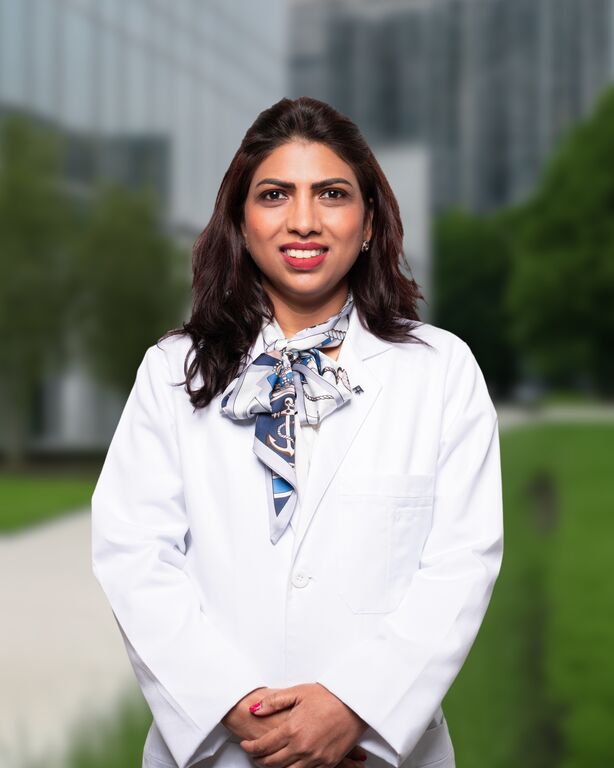
Dr. Shila Waghmare

Specialist Obstetrics and Gynaecology

no text found

Languages
English, Hindi and Marathi
Clinics

HealthHub - Al Karama