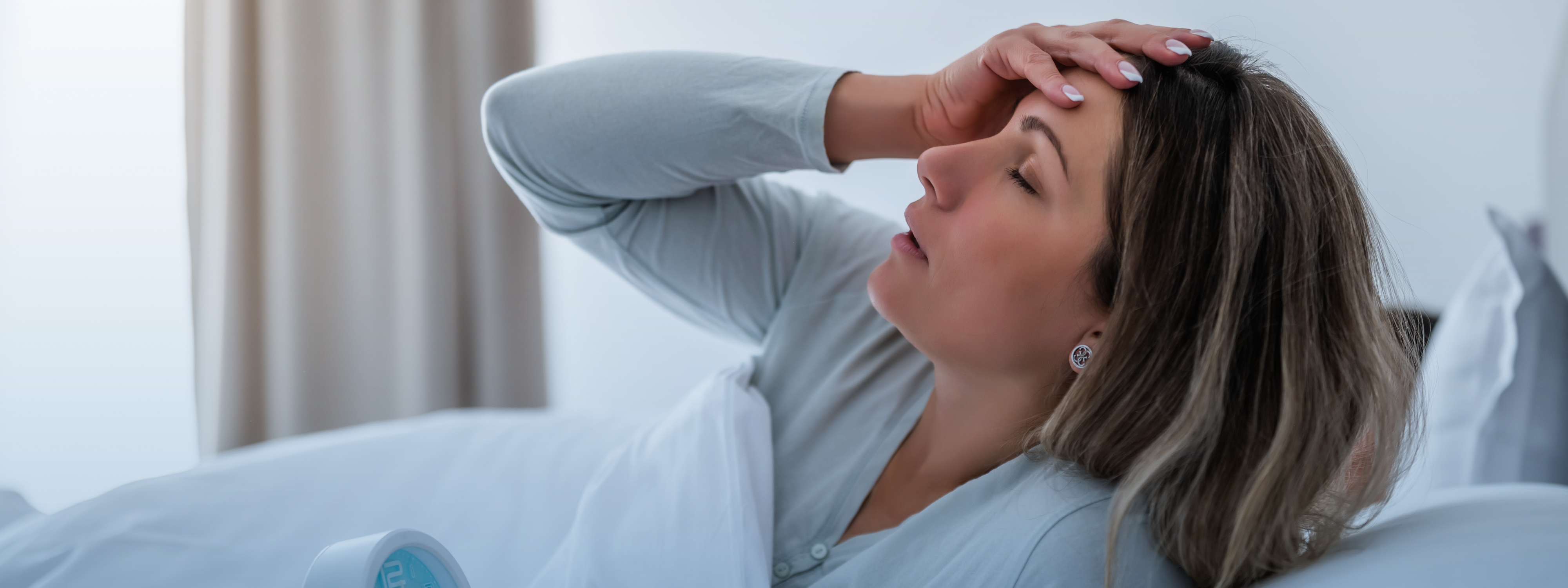
How do you know if you might have a sleep disorder? There are many signs to watch for. Common symptoms include:
- Lying awake for hours or waking up frequently at night, struggling to get a full night’s sleep.
- Loud snoring, snorting, or gasping sounds during sleep (often noticed by a partner).
- Daytime problems like excessive sleepiness, fatigue, irritability, or difficulty concentrating at work.
- Tingling or crawling sensations in your legs when you try to relax or sleep, relieved only by moving your limbs.
- Unusual movements or behaviors during sleep – for example, getting up and walking around while not fully awake.
These symptoms can have various causes. Sleep disorders often arise from a combination of lifestyle factors and underlying health issues:
- Lifestyle and habits: Stress, anxiety, and poor sleep hygiene (like inconsistent bedtimes or excessive caffeine use) are frequent triggers for insomnia. Shift work or frequent travel across time zones can throw off your circadian rhythm.
- Medical or physical factors: Conditions such as obesity, nasal congestion, or enlarged tonsils can contribute to obstructive sleep apnea. Chronic pain, acid reflux, or hormonal changes might also disturb your sleep.
- Neurological factors: Some sleep issues have neurological origins. Narcolepsy, for instance, is caused by the brain’s inability to regulate the sleep-wake cycle normally. Restless Legs Syndrome may be linked to imbalances in brain chemicals (dopamine) or low iron levels.
- Underlying health conditions: Mental health conditions (like depression or anxiety) or neurodegenerative diseases can come with sleep problems. Treating the underlying condition often improves sleep as well.
Understanding the root cause of your sleep problem is key. Our team will conduct a thorough evaluation to pinpoint why you’re having trouble with sleep and develop an effective plan to address it.
How Are Sleep Disorders Diagnosed and Treated at HealthHub?
At our sleep disorder clinic in Dubai, we take a personalized and holistic approach to diagnose and treat sleep problems. Diagnosis begins with a detailed consultation: your neurologist will discuss your symptoms, sleep habits, medical history, and lifestyle. Often, a physical exam and a review of your sleep diary provide enough insights. We focus on identifying patterns or triggers for your sleep issues without resorting to unnecessary tests.
For most patients, extensive testing isn’t required. We will only recommend specialized tests (such as an overnight sleep study) if needed.
Once we understand your situation, we create a tailored treatment plan. Our goal is to help you achieve better sleep using the most conservative and effective methods for your condition. Key treatment strategies include:
- Lifestyle changes: We’ll guide you on improving your “sleep hygiene” – habits that promote quality sleep. This includes keeping a consistent sleep schedule, creating a relaxing bedtime routine, cutting down on caffeine or screen time before bed, and getting regular exercise. For patients with sleep apnea in Dubai, weight management and avoiding smoking or alcohol in the evenings are often recommended to reduce symptoms.
- Behavioral therapy and counseling: Many sleep disorders, especially insomnia, respond well to psychological and behavioral techniques. Our specialists can introduce you to relaxation techniques, stress management, and Cognitive Behavioral Therapy for Insomnia (CBT-I) – a proven, drug-free insomnia treatment. By addressing anxious thoughts or behaviors that keep you awake, these therapies help reset your sleep patterns.
- Medical interventions: In some cases, medication or medical devices are necessary. We use medications cautiously and only when appropriate. For example, certain medications can relieve restless legs or help patients with narcolepsy stay awake during the day. Short-term sleep aids may be used for severe insomnia, but always alongside safer long-term strategies. For obstructive sleep apnea, our neurologist or sleep specialist might recommend supportive devices to keep your airway open at night (such as a CPAP machine).
Throughout your care, our Neurology team will monitor your progress and adjust treatments as needed. We focus on giving you the knowledge and tools to improve your sleep for the long term. HealthHub’s multidisciplinary approach ensures that whether you need coaching on better sleep habits or advanced medical therapy, you’ll receive the right combination of treatments. Our priority is to help you wake up feeling refreshed, healthy, and ready to embrace your day.
 10+ years of exp