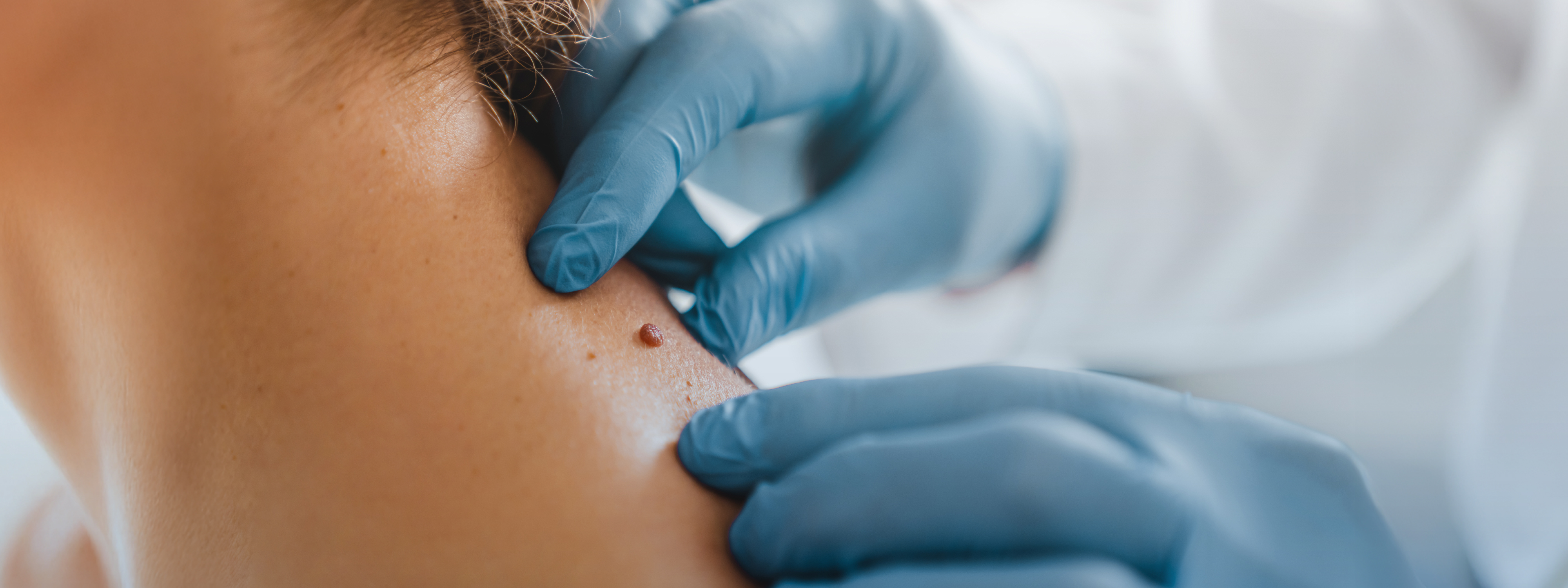
What Are Warts?
Warts are rough, raised bumps on the skin caused by certain strains of the human papillomavirus (HPV). Adults can develop warts on the hands, feet (plantar warts), or other areas through direct contact with the virus. Warts are benign but contagious and can spread to other areas of your skin. They can be stubborn to treat and sometimes painful. Prompt professional treatment can help remove warts effectively and prevent them from spreading further.
What Are Cysts?
Cysts are enclosed “pockets” under the skin filled with oil, keratin, or other skin debris. A common type is the epidermoid cyst (sometimes called a sebaceous cyst), which looks like a round lump under the skin’s surface. Cysts frequently occur on the face, neck, or torso of adults. They are usually benign, but can grow larger, become inflamed, or get infected, leading to redness and pain. If a cyst is uncomfortable, enlarging, or cosmetically distressing, a dermatologist can remove it safely. Complete removal of a cyst requires taking out the entire sac to minimize the chance of recurrence.
What Are Actinic Keratosis?
Actinic keratoses are rough, scaly patches or small crusty bumps that develop on sun-exposed skin, especially in middle-aged and older adults. These lesions result from long-term sun damage and are considered precancerous lesions that can potentially progress to skin cancer if left untreated. Actinic keratoses typically occur on sun-exposed areas (face, ears, scalp, hands, arms) and often feel like rough, sandpaper-like patches. Early diagnosis and treatment of actinic keratosis is important to prevent progression. Our dermatologists commonly treat actinic keratoses with quick in-office procedures such as cryotherapy (freezing) or laser therapy to destroy the damaged cells.
What Are Seborrheic Keratosis?
Seborrheic keratoses are common benign skin growths that often appear in adults over age 40. These growths often have a waxy or wart-like appearance, appearing slightly raised on the skin surface. They can occur anywhere on the body, but are frequently seen on the chest, back, scalp, or face. While harmless, seborrheic keratoses can become itchy or irritated. If desired for comfort or cosmetic reasons, they can be removed easily using methods like cryotherapy, electrocautery, or gentle surgical shaving.
What Are Cherry Angiomas?
Cherry angiomas are small, bright red skin growths caused by a cluster of tiny blood vessels. Very common in adults, they tend to increase in number with age. They can appear anywhere on the body, often just a few millimeters in size. These lesions are benign and usually do not cause symptoms, though occasionally they might bleed if scratched or traumatized. Many patients choose to have cherry angiomas removed for cosmetic reasons or if they frequently bleed. Removal can be achieved quickly with techniques like laser therapy or electrocautery, which seal off the blood vessels and eliminate the red spot.
What Is the Best Method for Removing Skin Lesions?
We utilize several advanced treatment methods to remove skin tags, warts, cysts, and related lesions. Depending on your specific condition, our dermatologist may recommend one or a combination of the following options:
- Cryotherapy: A quick freezing treatment using liquid nitrogen. Cryotherapy causes the targeted skin cells to freeze and break down. This method is highly effective for many warts, various keratoses, and even some skin tags. It is a fast outpatient procedure – the cold spray is applied for a few seconds to freeze the lesion. Cryotherapy is generally well-tolerated and has little risk of scarring.
- Electrocautery: Also known as electrosurgery or electrodesiccation, this technique uses a tiny probe to deliver a controlled electric current that burns off the unwanted tissue. Electrocautery is very precise and works well for skin tags, cherry angiomas, and other small benign growths. We typically numb the area beforehand with a local anesthetic to ensure you remain comfortable. The heat seals blood vessels as it removes the lesion, which helps prevent bleeding. Healing is quick, and little to no scar is expected.
- CO2 Laser Therapy: Our clinic offers carbon dioxide (CO2) laser treatment for various skin lesions. The CO2 laser emits a focused beam of light that vaporizes the target tissue with extreme precision. Laser removal is an excellent option for superficial lesions and those in sensitive areas, as it can effectively remove growths like warts, seborrheic keratoses, or cherry angiomas while causing minimal impact to surrounding skin. Laser procedures are quick and relatively comfortable, often requiring minimal anesthesia. Healing is typically quick with excellent cosmetic results.
- Minor Surgical Excision: Some lesions, especially cysts or larger growths, are best removed through a minor surgical procedure. In a simple in-office surgery, the dermatologist will first numb the area, then make a small incision to excise (cut out) the lesion. We ensure the entire lesion is removed (for instance, taking out a cyst’s sac to prevent return) and then close the site with a stitch if needed. These minor surgeries are done under local anesthesia, and we take care to minimize any scarring. You can typically return to normal activities very quickly after an excision.
 8 years of exp