Treatment: Sutureless Technique with Quick Recovery
When it comes to pterygium treatment in Dubai, our clinic emphasizes advanced techniques for faster healing and better outcomes. If a pterygium is small and not causing significant symptoms, a conservative approach may be recommended at first – such as lubricating eye drops or mild anti-inflammatory medications to ease redness and discomfort. However, if the growth is causing persistent irritation, affecting your vision, or growing rapidly, surgical removal is the most effective treatment.
Advanced Sutureless Pterygium Surgery: Our eye surgeons perform an advanced no-stitch pterygium excisiontechnique. In this procedure, the pterygium is carefully removed and a thin piece of your own healthy conjunctival tissue is grafted onto the area to promote healing. Instead of using stitches, we secure the graft with a tissue adhesive. Avoiding sutures keeps the eye’s surface smoother and less irritated, resulting in minimal discomfort and a quicker recovery. The surgery is typically done under local anesthesia on an outpatient basis – you can go home the same day.
Benefits of Our No-Stitch Technique:
- Faster Healing: Without stitches, the eye heals more rapidly and patients often return to normal activities sooner.
- Greater Comfort: The absence of sutures means less foreign-body sensation and irritation during recovery.
- Excellent Results: Using an autograft (your own tissue) greatly reduces the chance of recurrence and provides a better cosmetic outcome, so your eye looks clear after healing.
After the procedure, our team will provide detailed post-operative care instructions. You’ll use prescribed eye drops to prevent inflammation or infection, and we’ll schedule follow-up visits to monitor your healing. Thanks to our advanced approach, most patients experience a swift recovery – often noticing improvement in comfort and appearance within a few days, with the eye becoming whiter and smoother over the next couple of weeks.
Expert Care in Dubai
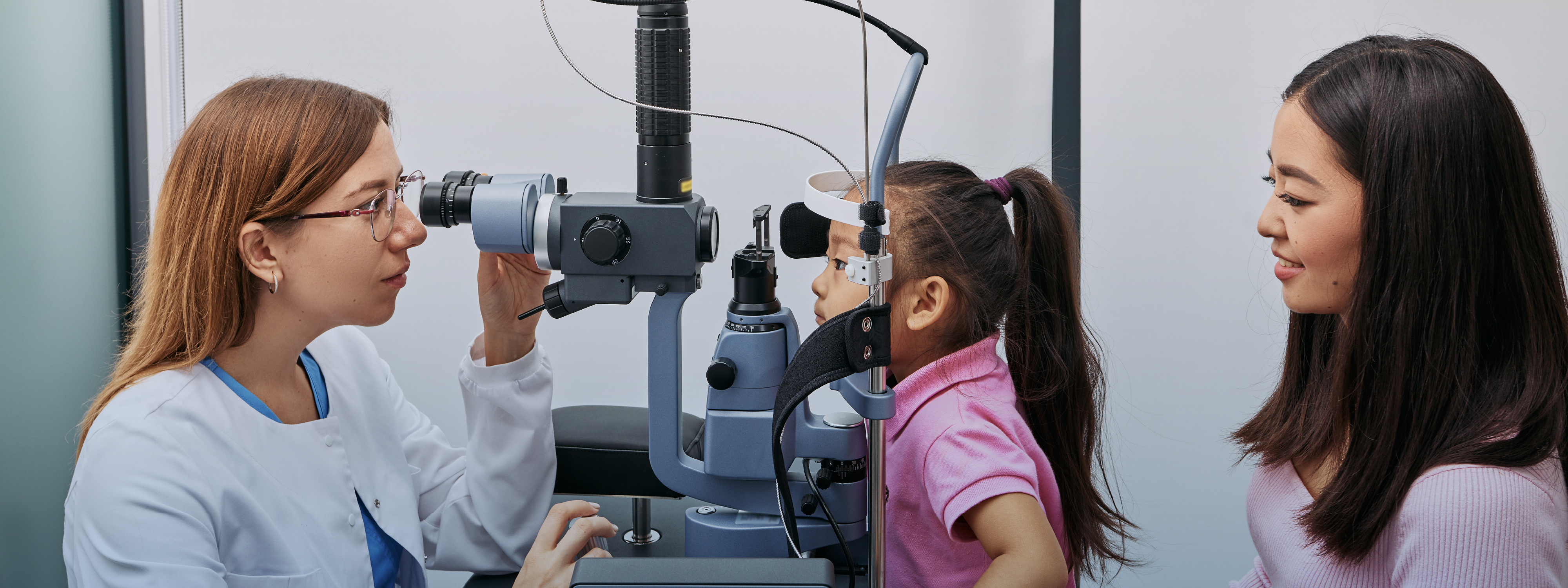
Our ophthalmology department prides itself on having highly experienced pterygium doctors in Dubai who have treated numerous cases of this condition. Because pterygium is especially common in sunny regions like the UAE, our specialists bring a wealth of expertise in managing it effectively. Each of our ophthalmologists is board-certified and trained in the latest surgical techniques, ensuring that you receive cutting-edge treatment.
In addition to our expert doctors, our clinic is equipped with state-of-the-art diagnostic and surgical technology. We use advanced imaging, modern microscopes, and a tissue adhesive for sutureless surgery to ensure precision and safety. What truly sets us apart is our patient-centered approach. We answer your questions, address your concerns, and tailor your treatment to your needs and lifestyle. With our team’s skill and compassionate care, you can feel confident that you are in good hands for your eye growth treatment in Dubai.
Prevention & Management
Our goal is not only to treat pterygium, but also to prevent its recurrence and protect your long-term eye health. Here are some tips and habits for ongoing care and pterygium prevention:
- Shield Your Eyes from Sunlight: UV exposure is a major risk factor for pterygium. Wear high-quality sunglasses with UV protection whenever you are outdoors in Dubai’s bright sun. Wrap-around sunglasses provide extra protection against harmful rays and drying winds. Also, consider wearing a hat or cap with a brim for additional shade.
- Protect Against Dust and Wind: If you are in a dusty or windy environment, wear protective eyewear (such as goggles or wrap-around glasses) to prevent particles from blowing into your eyes.
- Keep Your Eyes Moisturized: Dry eyes can aggravate a pterygium. Use lubricating eye drops (artificial tears) as recommended by your doctor to keep your eyes moist, especially if you spend time in air-conditioned or desert environments.
- Avoid Irritants: Avoid smoke, harsh chemicals, and other irritants that can cause chronic eye redness or irritation. When swimming, wear goggles to protect your eyes from chlorine or saltwater.
- Regular Eye Check-ups: If you have a history of pterygium or significant sun exposure, schedule routine eye exams. Regular check-ups allow our doctors to monitor any changes early. If a pterygium starts to develop or regrow, catching it early means it can be managed before it affects your vision.
- Follow Post-Treatment Care: If you’ve had pterygium surgery, be diligent about following all post-operative instructions. Continue protecting your eyes from sun and dust, and use any prescribed medications as directed. These steps support proper healing and help reduce the chance of the pterygium coming back.
By adopting these preventative measures, you can significantly lower the risk of developing a pterygium or prevent an existing one from worsening. Our team is always ready to advise you on lifestyle adjustments to safeguard your eye health
 8+ years of exp