What causes chronic pelvic pain?
Chronic pelvic pain is pain in the lower abdomen and pelvis that lasts more than 6 months. It can be constant or off-and-on, and often gets worse around menstruation or during activities like intercourse. There are many possible causes. It may stem from gynecological conditions such as endometriosis or past pelvic infections. In other cases, digestive issues (like irritable bowel syndrome) or bladder problems can contribute to pelvic pain. If pelvic pain is affecting your daily life, it’s important to have it checked.
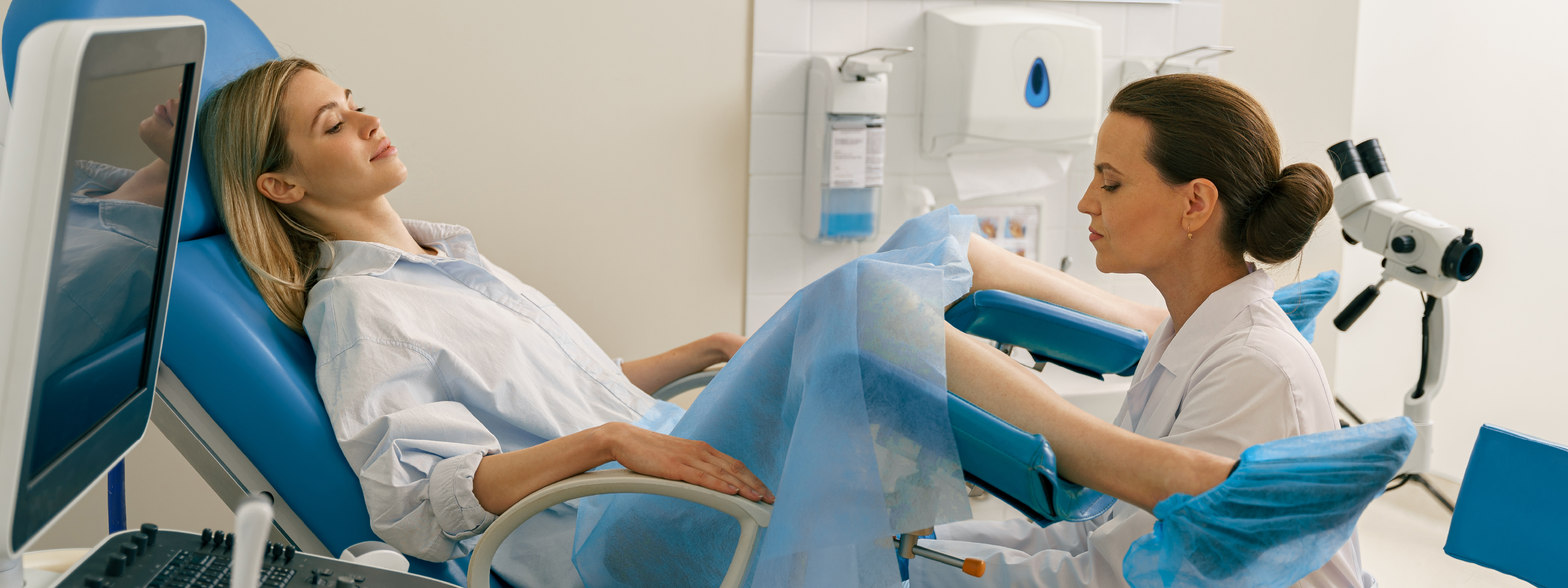
At HealthHub Clinics, our doctors will carefully evaluate your pelvic pain. We’ll discuss your symptoms, do a gentle pelvic exam, and usually an on-site ultrasound to look for obvious issues. Treatment will be tailored to the cause. It may include pain relievers or hormonal therapy to treat conditions like endometriosis. If we find a specific issue (such as endometriosis or fibroids), we can often address it with minimally invasive surgery to provide relief. Throughout, our aim is to ease your pain and help you regain your quality of life.
How can heavy menstrual bleeding (heavy periods) be treated?
Heavy menstrual bleeding (menorrhagia) refers to heavy or long-lasting periods. If you soak through a pad or tampon every hour or your period lasts longer than a week with large clots, it can lead to anemia (fatigue, dizziness) and disrupt your daily life. It’s important to see a gynecologist if you experience such heavy periods.
Heavy periods are often caused by hormonal imbalance or benign growths in the uterus (like fibroids or polyps). To find the cause, we will review your symptoms and menstrual history and perform a pelvic exam. An on-site ultrasound helps us check for fibroids or other abnormalities in your uterus and ovaries. We may do blood tests (for anemia or hormonal issues).
Treatment usually begins with medication. Hormonal therapy (like birth control pills or a hormonal IUD) often helps regulate your cycle and lighten your periods. We can also use non-hormonal medicines to reduce bleeding. If these steps don’t help enough, a minor procedure might be recommended. For example, removing any fibroids or polyps can resolve bleeding caused by those growths. Another option is endometrial ablation, which treats the uterine lining to reduce bleeding. Major surgery (such as removing the uterus) is very rarely needed, and only considered if other treatments fail.
 20+ years of exp