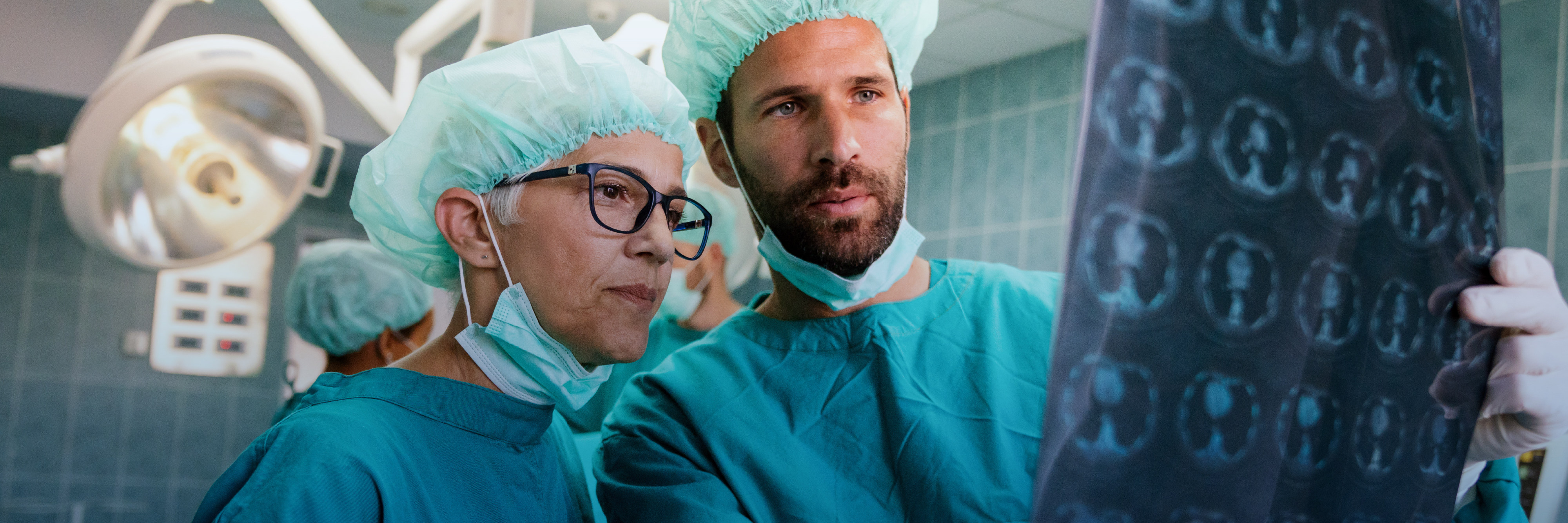
What Conditions Can Endoscopic Brain Surgery Treat?
Neurosurgeons use endoscopic techniques for a growing range of brain conditions. Common examples include:
- Pituitary tumors. The pituitary is a small, hormone-producing gland at the base of the brain. Most pituitary tumors are benign. Many can be removed through the nose, with no external cut at all. This is called endonasal surgery.
- Hydrocephalus. This is a build-up of fluid inside the brain. A procedure called endoscopic third ventriculostomy (ETV) creates a tiny new drainage pathway. For suitable patients, it can treat the problem without a permanent implanted tube.
- Brain cysts. Fluid-filled sacs, such as colloid cysts or arachnoid cysts, can often be drained or removed endoscopically.
- Some skull base tumors. Selected tumors at the base of the skull can be reached through the nasal passages.
- Certain ventricular tumors. Tumors inside the brain’s fluid chambers may be biopsied or removed with the endoscope.
Not every condition suits an endoscopic approach. Our neurosurgeons will tell you honestly whether it is the right option for you, or whether another technique would be safer and more effective.
What Are the Benefits of Endoscopic Brain Surgery?
For suitable patients, the endoscopic approach offers clear advantages over open surgery:
- Smaller openings. Often just a small opening in the skull, or none at all when working through the nose.
- No visible scar in many cases, especially with endonasal procedures.
- Less disturbance of healthy tissue. The endoscope reaches the target through natural pathways and narrow corridors.
- Less pain after surgery. Smaller openings generally mean easier recoveries.
- Shorter recovery time. Many patients return to normal activities sooner than after open surgery.
- Excellent visualisation. The camera gives the surgeon a bright, magnified view that can exceed the naked eye.
Every surgical decision balances benefits and risks. Your neurosurgeon will explain both, clearly and honestly, before anything is decided.
How Does HealthHub Organise Your Surgical Journey?
Brain surgery involves many moving parts. Our role is to bring them together into one smooth, clearly explained journey.
Step 1: Specialist consultation and diagnosis. It starts with a thorough assessment by our neurosurgery specialists. We arrange advanced imaging, such as MRI and CT scans, and any hormone or vision tests your condition requires. You receive clear answers, in plain language.
Step 2: Expert surgical planning. If endoscopic surgery is recommended, your surgeon plans the procedure in detail and walks you through it. You will understand the goal of the operation, how it is done, the expected recovery, and the risks. Second opinions are always welcome; for brain surgery, we encourage them.
Step 3: Surgery, fully arranged for you. Endoscopic brain surgery is performed in a fully equipped hospital setting. We organise this for you at a carefully selected partner facility, with your HealthHub neurosurgeon guiding the process. We handle the referrals, records, and scheduling. You and your family always know what happens next, and who to call.
Step 4: Recovery and follow-up, close to home. After surgery, your care returns to HealthHub Clinics. We monitor your healing with regular check-ups and scans. If you need rehabilitation, hormone follow-up, or physiotherapy, we coordinate it all under one plan, near your home.
How Should You Prepare for Endoscopic Brain Surgery?
Good preparation makes surgery safer and recovery smoother. Our team guides you through every detail. Before surgery, we complete all needed scans, blood tests, and specialist reviews at our clinics. We review your medications and tell you which ones to pause. You will receive simple written instructions on eating, drinking, and what to bring.
We also prepare you and your family emotionally. You will know what the day of surgery looks like, hour by hour. You will know what recovery feels like in the first days and weeks. Informed patients feel calmer, and calm patients recover better.
 24+ years of exp