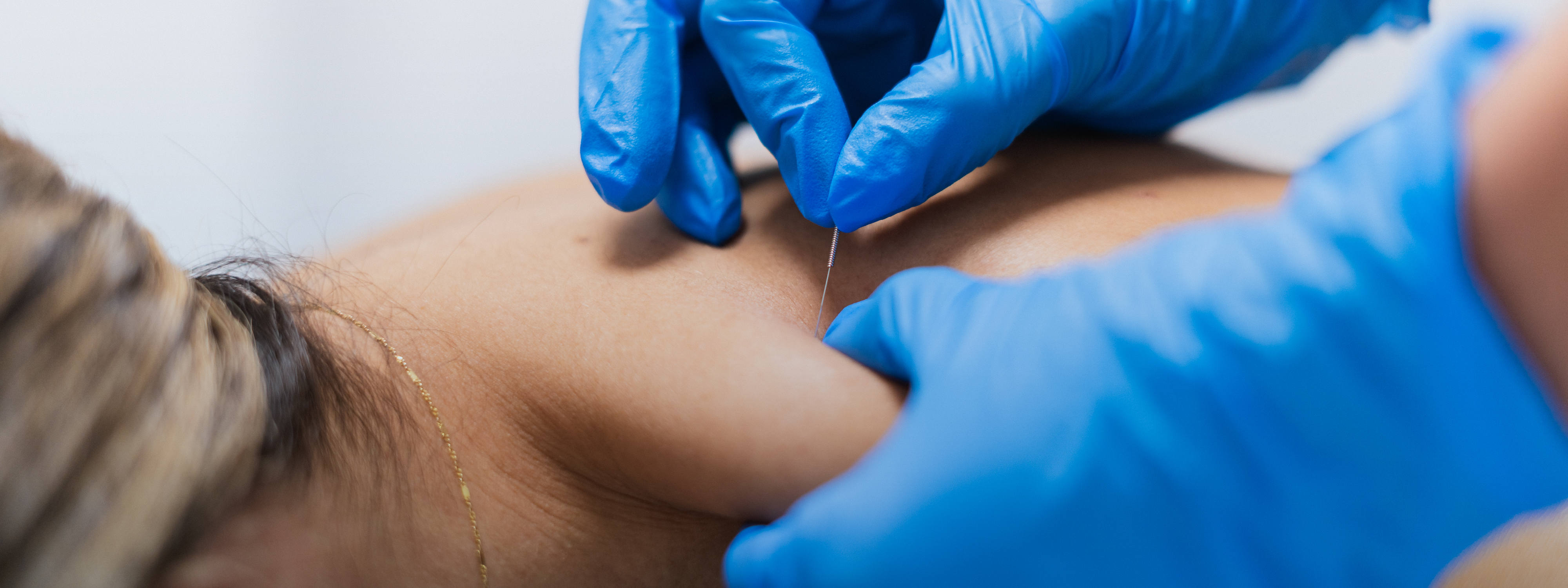
How does dry needling work?
During a dry needling session, the physiotherapist first assesses your condition to identify the specific muscles and trigger points contributing to your pain. Once a target area is pinpointed, a sterile single-use needle is gently inserted through the skin and into the sensitive trigger point within the muscle. You may feel a quick, involuntary twitch in the muscle – this reaction is normal and often a sign that the tight knot is releasing. The insertion of the needle prompts the muscle fibers to relax, reduces the taut band of tissue, and helps normalize the muscle’s function. Dry needling also stimulates increased blood circulation to the area, bringing oxygen and nutrients that aid in reducing inflammation and promoting healing.
In some cases, the needle might be slightly moved or left in place for a brief period (several seconds up to a few minutes) to maximize the therapeutic effect. The treatment is typically not painful; most patients feel only a mild pinprick or pressure, followed by relief as the muscle releases. By deactivating these trigger points, dry needling often provides an immediate reduction in pain and an improved range of motion in the affected area.
What are the benefits of dry needling?
Dry needling offers several key benefits for patients with muscle pain and tightness. First and foremost, it provides targeted pain relief by addressing the source of discomfort – the trigger points within your muscles. Releasing these knots can significantly reduce muscle tension and spasm, leading to a noticeable decrease in pain levels. Patients often experience improved flexibility and range of motion in the treated area once those tight muscle bands are relaxed.
Another major benefit is the relatively quick onset of relief; many people feel better immediately after a dry needling session or within the next day. This therapy can be especially helpful for chronic pain conditions that haven’t responded to other treatments, offering a new avenue of relief. Dry needling is minimally invasive and does not involve any medication, so there are no drug-related side effects to worry about. When performed by a trained professional, it is a very safe procedure – aside from mild, temporary soreness, there are typically no significant side effects. Overall, incorporating dry needling into your physiotherapy program can accelerate your recovery, restore normal muscle function, and help you return to your daily activities with less pain.
What conditions can be treated with dry needling?
Dry needling can effectively treat or assist in managing a variety of painful conditions and injuries. Some of the common issues we address with dry needling include:
- Myofascial Trigger Points: Dry needling directly targets myofascial trigger points (sensitive knots in muscle fibers) to deactivate them, which relieves localized and referred pain.
- Neck and Shoulder Pain: Tight neck and shoulder muscles, often due to poor posture or stress, can cause stiffness and pain. Dry needling these areas releases muscle knots (such as in the upper trapezius), helping to ease pain and restore mobility.
- Headaches: Many tension headaches stem from muscle trigger points in the neck and upper back. By treating these trigger points, dry needling can reduce the frequency and intensity of headaches that are linked to muscle tension.
- Lower Back Pain: Chronic lower back pain often involves deep muscle tightness or spasms. Dry needling can relax the affected lumbar and hip muscles, alleviate tension, and reduce pain in the lower back region.
- Sciatica: Sometimes muscle tightness in the lower back or hips can irritate the sciatic nerve and cause radiating leg pain. Dry needling releases those tight muscles to ease pressure on the nerve and relieve sciatica symptoms.
- TMJ Pain: Temporomandibular joint (jaw) pain is frequently associated with tension in the jaw and neck muscles. Dry needling the jaw muscles (e.g., masseter and pterygoid) and surrounding areas can decrease TMJ-related pain and improve jaw function.
- Chronic Muscle Tension: For individuals with persistently tight muscles due to stress, repetitive strain, or poor posture, dry needling provides relief by loosening those chronically tense areas. This leads to better muscle function, posture, and overall relaxation of the affected regions.
What should I expect during a dry needling treatment session?
Before starting dry needling, your physiotherapist assesses your condition and identifies muscle tightness and trigger points. The area is cleaned, and fine needles are inserted into the trigger points, which may cause a brief muscle twitch or mild cramp-like sensation.
Needles are adjusted or left in place briefly, then removed, and the area may be massaged or stretched. Post-session, muscles often feel looser and less painful, though mild soreness like after a workout may occur.
Your physiotherapist will provide aftercare advice such as staying hydrated, applying heat, or gentle movement to maintain muscle relief. These steps maximize benefits, offering significant pain relief and improved mobility.
Don’t let muscle pain hold you back – schedule your dry needling consultation in Dubai today and take the first step toward lasting relief.
 8+ years of exp