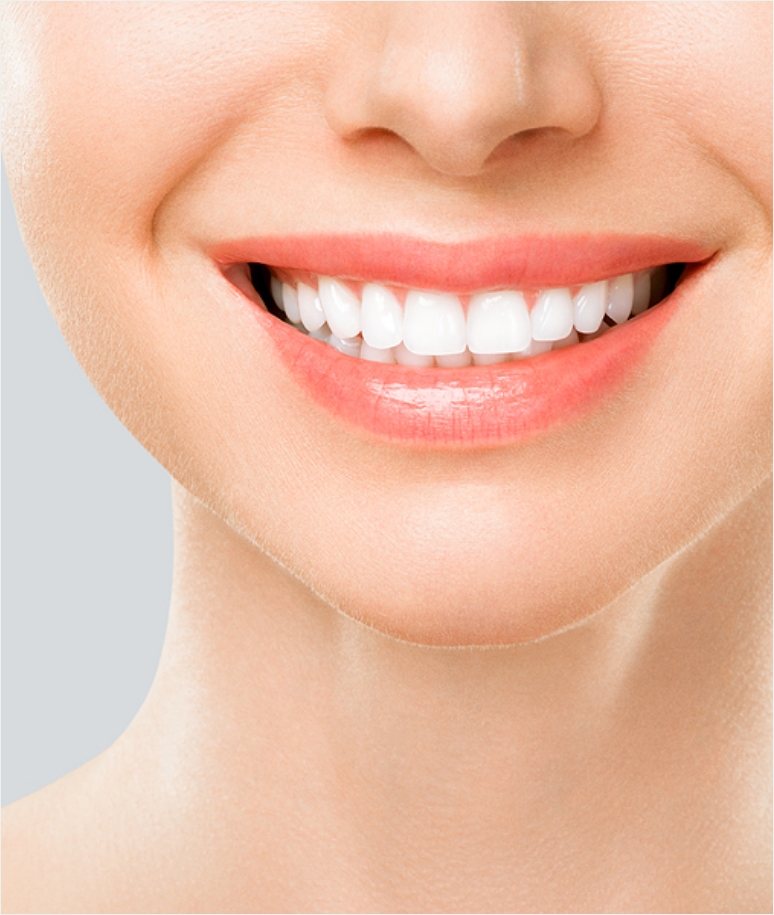
A brighter smile is one of the most popular cosmetic dental goals. From coffee and tea to ageing and certain foods, teeth can gradually become darker or develop stains.
Today, people in Dubai have more teeth whitening options than ever. Professional whitening at a dental clinic and home whitening products can both improve the appearance of your teeth, but they are not the same.
This guide explains the differences between professional and home teeth whitening and what to consider before choosing an option.
What is teeth whitening and how does it work?
Teeth whitening is a cosmetic dental treatment designed to lighten the colour of natural teeth and reduce certain types of staining.
Professional whitening typically uses a dentist-supervised bleaching system containing peroxide-based ingredients. Depending on the treatment, the whitening agent may be applied in the clinic or provided as part of a supervised home-whitening plan.
Whitening does not work equally well on every type of discolouration. Surface stains may respond well, while deeper or intrinsic discolouration can be more difficult to treat.
Why do teeth become stained?
Several everyday factors can affect tooth colour:
- Coffee and tea can contribute to surface staining
- Smoking and tobacco can cause persistent discolouration
- Certain foods and drinks may gradually stain teeth
- Ageing naturally makes teeth appear less bright over time
- Poor oral hygiene can allow plaque and surface stains to build up
- Some medications or dental conditions can cause deeper changes in tooth colour
Not every dark or yellow tooth is simply a surface stain. A dental examination can help determine the likely cause before whitening begins.
What is professional teeth whitening in Dubai?
Professional teeth whitening is carried out or supervised by a qualified dental professional.
Depending on the treatment chosen, the dentist may:
- Examine your teeth and gums before whitening
- Check for cavities, gum disease, cracks, or sensitivity
- Select an appropriate whitening system
- Apply whitening treatment in the clinic or provide custom trays
- Give instructions to reduce sensitivity and protect results
- Recommend follow-up care when necessary
Professional whitening can provide a more controlled approach because the dentist can assess your oral health and choose a treatment that suits your needs.
What about home teeth whitening?
Home whitening can refer to dentist-provided whitening trays as well as commercially available whitening products.
Dentist-supervised home whitening generally involves custom or professionally selected trays and a whitening gel used according to specific instructions.
Over-the-counter options may include whitening strips, toothpastes, gels, or other products. Their effectiveness can vary depending on the ingredients, concentration, how consistently they are used, and the type of staining.
Home whitening is convenient, but using a product incorrectly or too frequently may increase the chance of tooth sensitivity or gum irritation.
Professional vs home teeth whitening: Which is better?
There is no single answer for everyone.
Professional whitening may be better if you:
- Want dentist-supervised treatment
- Have significant staining
- Need an assessment before whitening
- Have sensitive teeth or existing dental concerns
- Want a personalised whitening plan
Home whitening may suit you if you:
- Prefer whitening gradually
- Want to whiten at your convenience
- Are comfortable following a treatment schedule
- Have been assessed by a dentist and given suitable home-whitening products
The most important step is making sure whitening is appropriate for your teeth before starting treatment.
How long do teeth whitening results last?
Whitening is not permanent. Teeth can gradually become stained again because of diet, lifestyle, oral hygiene, and natural ageing.
You can help maintain a brighter smile by:
- Brushing twice a day with fluoride toothpaste
- Cleaning between your teeth regularly
- Limiting frequent consumption of heavily staining foods and drinks
- Avoiding tobacco products
- Attending regular dental check-ups
- Following your dentist’s advice about whitening maintenance
A whitening treatment should be viewed as part of ongoing dental care rather than a permanent change in tooth colour.
 18+ years of exp