

 8+ years of exp
Languages
English, ArabicClinics
HealthHub Day Surgery - Festival City
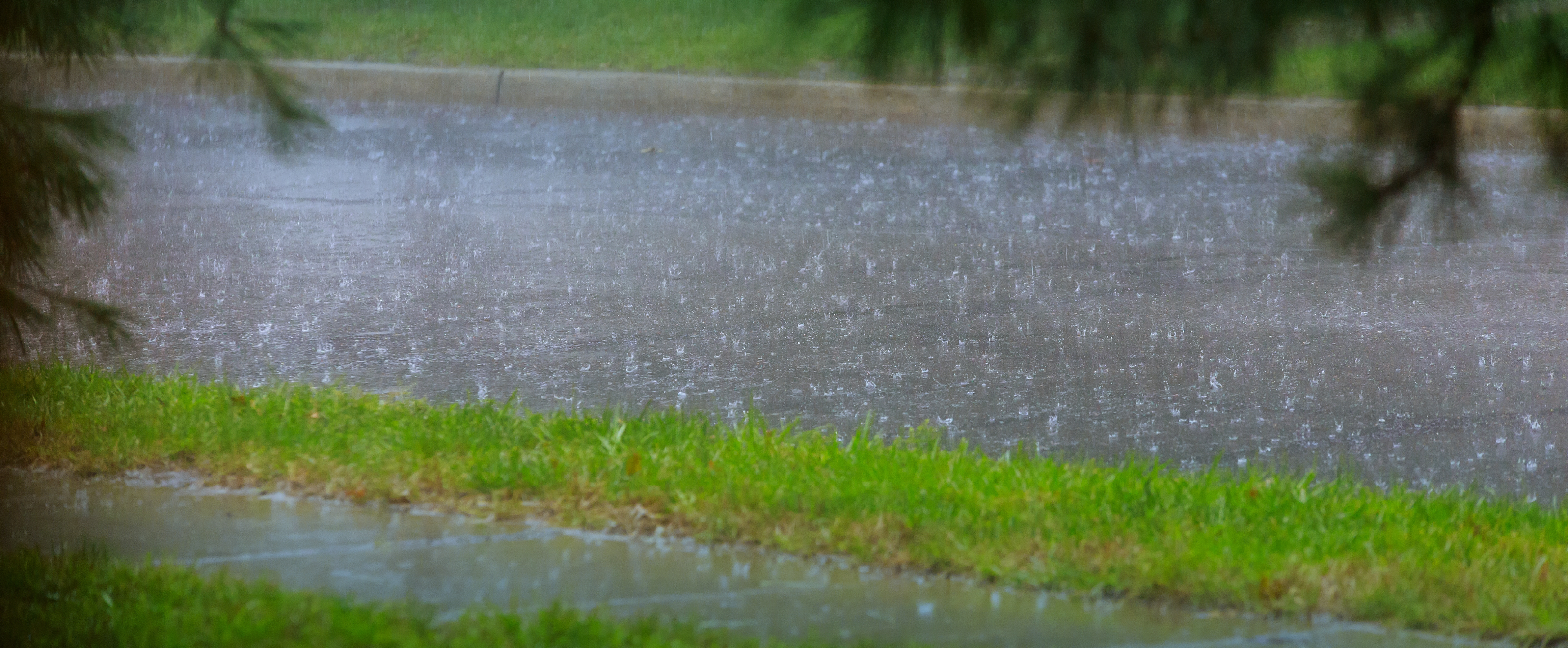
Rain in Dubai can feel refreshing. It cools the air, settles dust, and offers a welcome change in weather. But from a family medicine perspective, the period after rainfall is just as important as the rain itself.
That is because post-rain conditions can quietly create a different set of health concerns. Standing water, damp indoor spaces, slippery walkways, skin irritation, allergy flare-ups, mosquito exposure, stomach infections, and minor injuries are all issues that can affect individuals and families in the days that follow.
In family medicine, we look beyond a single symptom. We consider the environment, the patient’s age, the home setting, medical history, and how one seasonal change may affect different members of the same household in different ways. That preventive, whole-family view is especially valuable after rain, when seemingly small exposures can lead to avoidable health problems.
At HealthHub Clinics by Al-Futtaim, our focus is not only on treating illness when it appears. It is also on helping families stay well through practical prevention, early care, and timely medical advice. If you are wondering what to do after rain in Dubai, the answer begins with awareness. Stay clean, stay dry, stay cautious, and know when symptoms should be checked.
After rain, the environment changes quickly. Water may collect in parking areas, balconies, gardens, rooftops, pavements, school grounds, and around residential buildings. Indoors, dampness may linger in bathrooms, corners, carpets, curtains, or poorly ventilated spaces. Wet shoes and clothing can carry moisture and dirt into the home. Children are often drawn to puddles and outdoor play areas that may not be as harmless as they appear.
This is where seasonal awareness becomes important. Post-rain health is not just about avoiding discomfort. It is about reducing exposure to contamination, preventing injuries, protecting respiratory health, and keeping chronic conditions stable.
From a family medicine standpoint, weather-related illness often begins quietly. A child splashes in stagnant water and develops a rash. A person with asthma notices more coughing at night because of damp indoor air. An older adult slips on a wet entrance step and dismisses the injury until swelling worsens. A family eats or uses items that may have been exposed to unsafe water and develops stomach upset later. These are the kinds of preventable situations that good awareness can help reduce.
Skin is one of the first areas affected by wet conditions. Prolonged dampness from wet socks, shoes, or clothing can lead to itching, irritation, fungal problems, or worsening eczema. Small cuts and scratches can also become inflamed if exposed to unclean water or poorly cleaned surfaces.
Children are particularly vulnerable because they are more likely to sit on wet ground, run through puddles, or delay changing out of damp clothes. Adults may experience similar issues when commuting in wet shoes, exercising outdoors, or remaining in damp clothing for too long.
Redness, peeling, itching, swelling, or pain around a scratch should not be ignored. In many cases, early washing, drying, and basic care are enough. But if symptoms spread or become painful, it is wise to seek medical advice.
One of the most overlooked post-rain risks is contamination. Food, toys, utensils, and frequently touched household surfaces may become unsafe if they come into contact with contaminated water. Drinking unsafe water or using it for food preparation can also lead to gastrointestinal symptoms such as nausea, vomiting, diarrhea, abdominal pain, and dehydration.
This matters even more for young children, older adults, and those with existing medical conditions. In these groups, even a short period of vomiting or diarrhea can lead to weakness, low energy, and dehydration more quickly than many families expect.
If symptoms are persistent, severe, or associated with poor fluid intake, medical review is important.
Many people assume that rain always improves breathing because it reduces dust in the air. In some cases, that is true. But after rain, damp indoor conditions and poor ventilation can contribute to mold growth and trigger allergy symptoms, sinus irritation, coughing, and worsening asthma.
This is especially relevant for anyone who already lives with asthma, allergic rhinitis, recurrent sinusitis, or chronic respiratory sensitivity. If a home or workplace remains damp, symptoms may gradually increase over several days.
A persistent cough after rainy weather should not always be dismissed as a minor seasonal issue. If sleep is disturbed, wheezing increases, inhaler use becomes more frequent, or a child seems short of breath during normal activity, a proper assessment is recommended.
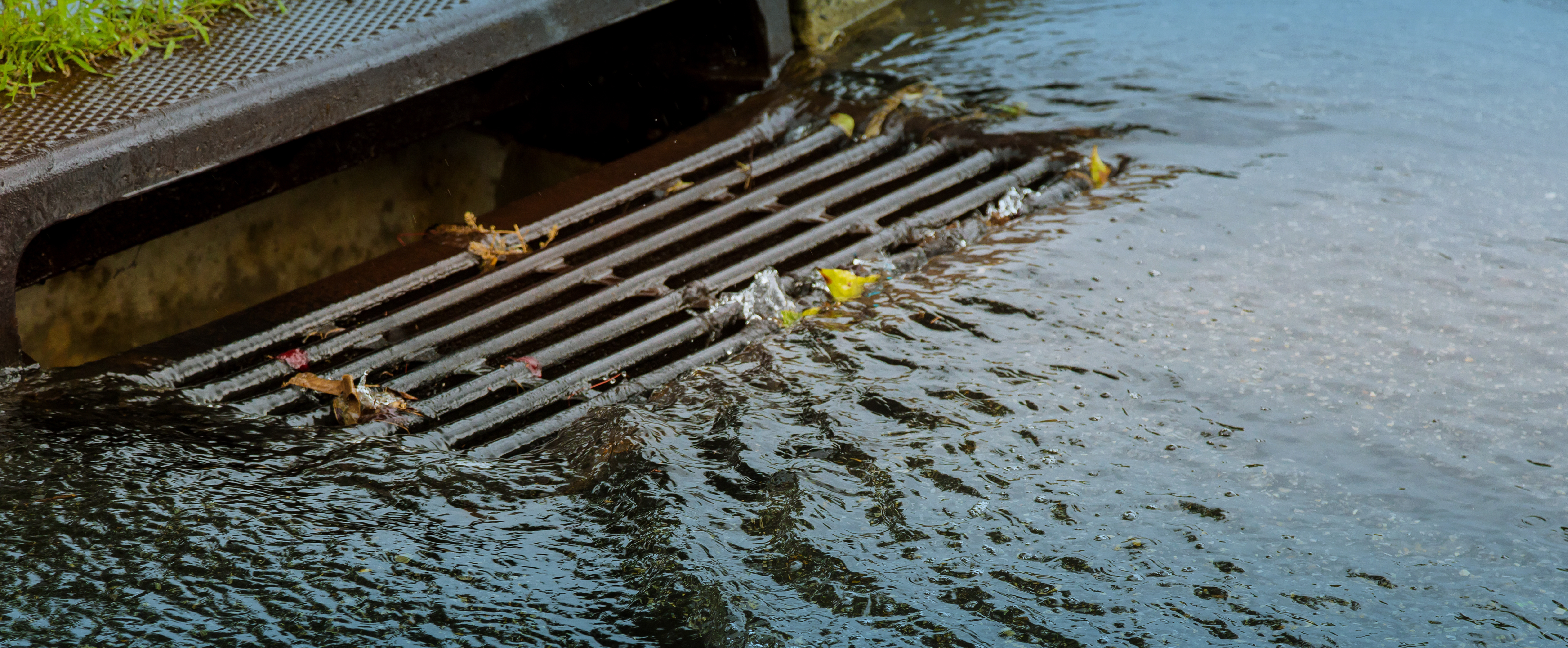
Standing water is a well-known breeding environment for mosquitoes. After rain, even small collections of water can become a problem if they are left sitting around the home or building.
Trays under plants, uncovered buckets, outdoor toys, blocked drains, rooftop corners, and water pooled on balconies should all be checked. Families should also inspect window screens and take simple protective steps outdoors, especially during times when mosquitoes are more active.
For households with children, mosquito bite prevention is not just about comfort. It is a practical part of post-rain health protection.
Not every post-rain health issue is infection-related. Wet floors, entrance steps, polished tiles, ramps, parking areas, and pavements can all increase the risk of slipping. Older adults, pregnant women, young children, and anyone with mobility or balance concerns may be at greater risk.
A slip that feels minor in the moment can still lead to ankle sprains, bruising, lower back pain, or delayed swelling. Head injuries, dizziness, or severe pain after a fall should always be taken seriously.
In family medicine, we often remind patients that injury prevention is part of health prevention. Being careful on wet surfaces is a simple but meaningful step.
Avoid contact with stagnant water
Do not allow children to play in puddles, accumulated rainwater, or damp outdoor areas that may be contaminated. If anyone has been in contact with collected water, wash the skin thoroughly with soap and water and change into dry clothes promptly.
Footwear also matters. Walking barefoot in wet outdoor areas increases the risk of skin irritation, cuts, and exposure to contaminants. Shoes with proper grip and coverage are a better choice after rain.
Wash hands and clean exposed items
Hand hygiene remains one of the easiest ways to prevent infection. Everyone in the household should wash hands well after coming in from outside, particularly before eating or touching the face.
It is also important to clean toys, bottles, utensils, school bags, and frequently touched surfaces if they may have been exposed to unsafe water or wet outdoor conditions. This is especially important in homes with infants and young children.
Dry the home early
Dampness should never be left to settle. Air out rooms, dry wet mats and fabrics, and pay attention to areas that trap moisture, such as bathroom corners, under sinks, behind curtains, or around windows. If carpets, upholstery, or furnishings have stayed wet, address them as early as possible.
The longer indoor moisture remains, the greater the chance of unpleasant odors, mold growth, and respiratory discomfort. Families dealing with allergies or asthma should be particularly alert to this.
Use safe food and water practices
Do not consume food that may have come into contact with contaminated water. Clean food-contact surfaces well. Use safe drinking water and do not assume rainwater is suitable for cooking or household use.
When there is any doubt about whether an item has been contaminated, it is safer to discard it. This is especially important for baby items, open foods, and utensils used by children or older adults.
Change out of wet clothes quickly
Wet clothes may seem like a minor inconvenience, but prolonged dampness can irritate skin and contribute to discomfort, rashes, and fungal problems. After outdoor exposure, children and adults alike should change into dry clothes as soon as possible.
This is a simple step, but it is one of the most effective ways to reduce skin-related complaints after rainy weather.
Keep an eye on vulnerable family members
Some groups deserve extra attention after weather changes: infants, older adults, pregnant women, people with asthma, diabetes, eczema, low immunity, mobility limitations, or chronic disease.
A child with diarrhea can dehydrate quickly. An older adult may not report pain immediately after a slip. A person with asthma may notice coughing at night before recognizing that indoor dampness is the trigger. Checking in early is often the best form of prevention.
Children are naturally curious, energetic, and less aware of environmental risk. After rain, this means parents need to be especially observant. If your child has been playing outside, check for wet shoes, skin irritation, cuts, or insect bites. Make sure hands are washed well and that wet clothes are changed promptly. Over the next day or two, monitor for fever, vomiting, diarrhea, cough, wheezing, unusual tiredness, poor appetite, or signs of dehydration such as dry lips, reduced urination, or lethargy.
Parents should also inspect school bags, lunch boxes, sports gear, and toys that may have been placed on wet surfaces. Items that stay damp can become unhygienic quickly. The goal is not to create fear around rainy days. It is to make sure normal childhood activity is followed by sensible hygiene and observation.
Seasonal shifts can interfere with routines more than people realize. Rain may affect commuting, exercise habits, food choices, sleep, and access to medications. For people living with chronic conditions, those disruptions can matter.
If you have diabetes, pay close attention to hydration, skin care, and foot protection. Even a small cut or irritation on the foot should be monitored carefully. If you have asthma, keep inhalers accessible and do not ignore worsening cough, chest tightness, or reduced exercise tolerance. If you are prone to allergies or sinus issues, damp indoor air may need to be addressed early through ventilation and moisture control.
Medication continuity is also important. After rainy weather or transport disruption, many people realize too late that prescriptions are running low. Preventive planning helps avoid unnecessary health setbacks.
You should seek medical advice if you or a family member develops:
Urgent assessment is especially important for dehydration, breathing difficulty, chest pain, confusion, severe weakness, head injury, or any possible electrical injury.
As family medicine specialists, we encourage families not to wait too long when symptoms are persistent or clearly worsening. Early care often prevents more complicated illness later.
One of the greatest strengths of family medicine is continuity. We do not only treat a cough, a rash, or a stomach bug in isolation. We look at the wider picture: the patient’s environment, family structure, medical history, medications, and risk factors.
That broader perspective matters during seasonal changes. One rainy period may affect a child’s skin, a parent’s allergies, and a grandparent’s mobility all at once. Family medicine helps connect those concerns in a practical and coordinated way.
At HealthHub Clinics by Al-Futtaim, family medicine is built around personalized, comprehensive care for all ages. It is designed to support acute concerns, preventive care, chronic disease management, and timely follow-up within an integrated healthcare setting. For families, that means accessible support that is both medically thorough and easy to navigate.
After rain, take a few minutes to do a quick household check:
Small steps like these can make a significant difference in preventing avoidable illness.
Rain in Dubai is not something to fear, but it is something to respond to wisely. Most post-rain health issues are preventable when families know what to look for and act early.
Good hygiene, safe cleanup, dry indoor spaces, careful food and water practices, mosquito prevention, and prompt medical attention when symptoms appear all help protect your household. Seasonal awareness is not about alarm. It is about practical prevention.
At HealthHub Clinics, we believe family health is strongest when care is proactive, not reactive. If you or your loved ones are experiencing post-rain symptoms, need support for a chronic condition during weather changes, or want preventive guidance tailored to your family, a family medicine consultation can help you stay well through every season.
Can rainwater make you sick in Dubai?
Collected or contaminated rainwater may contain pollutants, bacteria, and other harmful contaminants. It is best to avoid contact with stagnant water and not use potentially contaminated water for drinking or cooking.
Why do allergies sometimes get worse after rain?
For some people, damp indoor conditions and mold growth after rain can aggravate allergies, sinus symptoms, and asthma.
How can I protect my family after rain in Dubai?
Focus on handwashing, drying wet areas quickly, avoiding stagnant water, using safe food and water, cleaning exposed surfaces, and monitoring children, older adults, and anyone with chronic conditions.
When should I see a doctor after being out in the rain?
Seek medical advice if there is fever, persistent diarrhea, vomiting, worsening cough, breathing difficulty, a skin infection, or injury after a slip or fall.

Connect with our experienced doctors at HealthHub Clinics to learn more or call 800 2344. to book your appointment.
8+ years of exp
HealthHub Day Surgery - Festival City