

 15+ years of exp
Languages
English, Arabic, Hindi, Tamil and MalayalamClinics
HealthHub - Al Karama
HealthHub - Arabian Center
HealthHub - Silicon Oasis
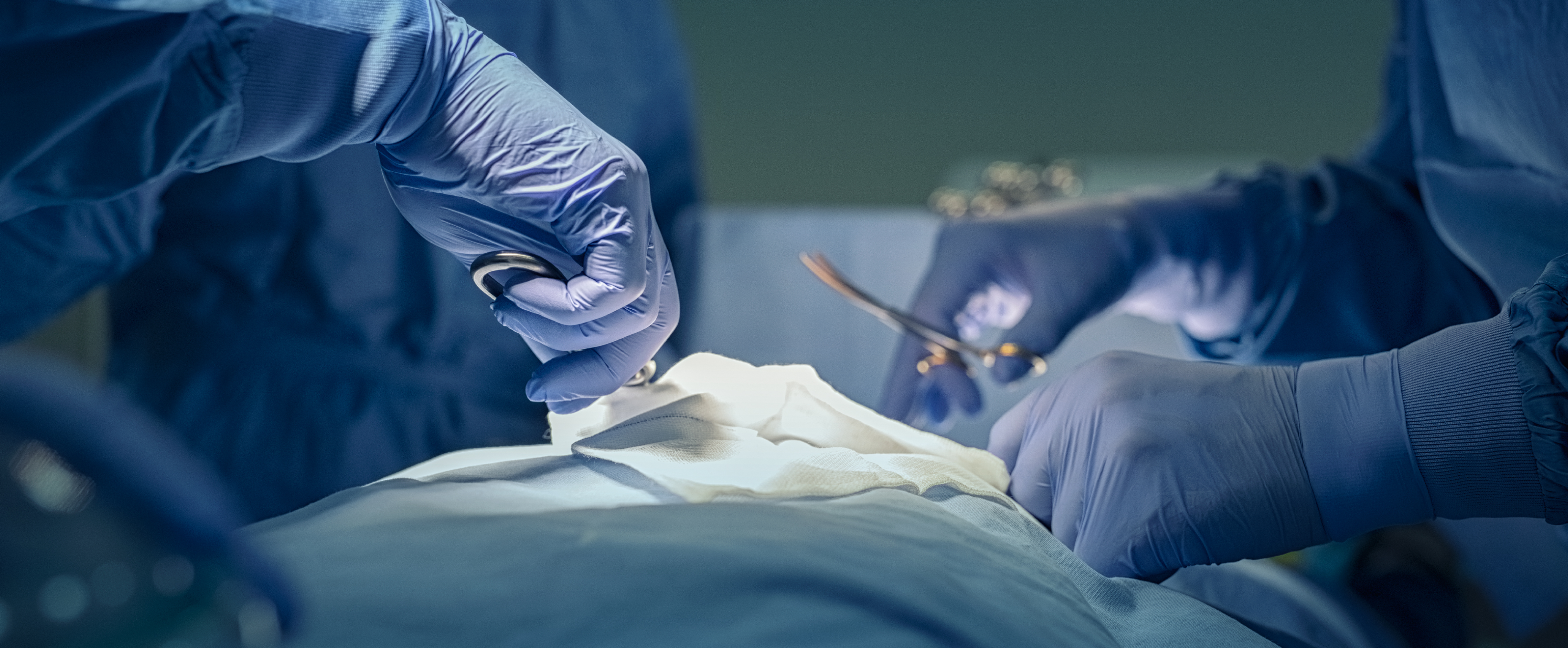
Hernias are common, but the questions patients have about them are rarely simple. Is surgery always necessary? Can it be done as a day procedure? How long will recovery take? And if you are searching for a hernia surgery doctor in Dubai patients can trust, how do you know which setting and surgeon are right for you?
For many people, the biggest surprise is that a large number of hernia procedures can now be performed safely in a modern Day Surgery Unit, allowing patients to go home on the same day without a prolonged hospital stay. At HealthHub Clinics by Al-Futtaim, this day surgery model is an important part of delivering efficient, patient-focused surgical care. At the same time, not every hernia should be managed in an outpatient setting. Some patients are better treated in a full hospital environment, especially if the hernia is complex, recurrent, or urgent.
That is why the most important first step is not simply choosing a procedure. It is choosing the right general surgeon in Dubai to assess your condition, explain your options clearly, and recommend the safest place for your surgery, whether that is a day surgery unit or a hospital operating theatre.
This 2026 guide will help you understand what a hernia is, what symptoms to watch for, which hernias are often suitable for day surgery, when hospital-based treatment may be more appropriate, what recovery usually looks like, and how to identify the best general surgeon Dubai patients often look for when making an informed decision about care.
A hernia happens when part of an internal organ or fatty tissue pushes through a weak area in muscle or connective tissue. In most cases, the weak point is in the abdominal wall, which is why many hernias appear in the groin, near the belly button, or at the site of an old surgical scar.
Some hernias begin as a small bulge that comes and goes. Others cause a dragging, heavy, or uncomfortable sensation long before a visible lump becomes obvious. While symptoms can start mildly, hernias do not repair themselves. Once a weakness has formed in the abdominal wall, it usually remains there unless it is surgically repaired.
This matters because hernias tend to enlarge over time. A small, straightforward hernia that may be suitable for planned day surgery today can become more uncomfortable and more complicated months later. In some cases, tissue can become trapped inside the hernia. If blood supply is compromised, the situation becomes an emergency.
That is why early assessment by a hernia surgery doctor Dubai residents can rely on is so important. A timely surgical opinion does not always mean immediate treatment on the same day, but it does help establish the safest and most appropriate plan before the problem becomes more difficult to manage.
Hernia surgery today is very different from what many patients imagine. Surgical techniques, anaesthesia protocols, pain management, and recovery pathways have all advanced. As a result, many routine hernia procedures no longer require a long inpatient admission.
This is where a Day Surgery Unit changes the experience. Rather than being admitted to a hospital ward for an overnight stay by default, suitable patients can be admitted for the procedure, monitored during recovery, and discharged home the same day with clear instructions and planned follow-up.
For patients, that often means a more streamlined experience. There is less disruption to daily life, earlier mobilisation, and the comfort of recovering in familiar surroundings. For clinicians, it means careful case selection, structured perioperative protocols, and a strong focus on safe discharge planning.
At HealthHub Clinics by Al-Futtaim, this approach supports the treatment of selected hernia cases in an efficient and patient-centred setting. But it is important to be transparent: the day surgery route is not about fitting every patient into the same model. It is about selecting the right patients for the right environment. Some hernias are ideal for day surgery. Others need the broader resources of a hospital.
That distinction is one of the most valuable things a skilled general surgeon in Dubai provides. The goal is not simply to operate. The goal is to choose the safest pathway with the best balance of convenience, recovery, and clinical judgement.
Different hernias behave differently, and not every type is managed the same way. Understanding the main categories helps explain why some cases are suitable for HealthHub’s day surgery pathway while others may need treatment in a different hospital setting.
An inguinal hernia occurs in the groin and is the most common type in adults, especially in men. It develops when tissue pushes through a weak point in the lower abdominal wall. Patients often notice a bulge in the groin that becomes more obvious with coughing, lifting, or prolonged standing.
This is one of the most common reasons people look for a general surgeon in Dubai. In many uncomplicated cases, inguinal hernias are very suitable for elective repair in a day surgery unit, particularly when the patient is otherwise medically stable.
An umbilical hernia appears near the belly button. In adults, it may become more noticeable with weight gain, pregnancy, abdominal strain, or repeated increases in intra-abdominal pressure. Some are small and minimally symptomatic. Others gradually enlarge and cause discomfort.
Depending on size and complexity, many adult umbilical hernias can also be treated as day surgery cases. Larger defects or those associated with other abdominal wall issues may need a more individualised plan.
This type occurs at the site of a previous abdominal operation. Even after good healing, a surgical scar can remain a weaker point in the abdominal wall. Over time, a bulge may form beneath or next to the old scar.
Small incisional hernias may sometimes be repaired in a day surgery setting. However, larger incisional hernias are more likely to require hospital-based treatment because the repair may be more complex, may involve a bigger defect, or may need closer postoperative monitoring.
Femoral hernias are less common than inguinal hernias but are clinically important because they carry a higher risk of complications. They usually occur lower in the groin and are seen more often in women.
Because of their tendency to become trapped, femoral hernias are often treated promptly. The exact setting depends on urgency, anatomy, and the patient’s overall condition.
A hiatal hernia is different from an abdominal wall hernia. It occurs when part of the stomach pushes upward through the diaphragm into the chest. Symptoms are more often related to reflux, heartburn, chest discomfort, or regurgitation than to a visible external bulge.
Not all hiatal hernias need surgery, and when surgery is required, it is usually handled in a hospital setting rather than a day surgery unit because the operation is different in nature and involves upper gastrointestinal surgery.
One of the most useful messages for patients is this: not every hernia requires a hospital admission. In fact, many straightforward elective hernia repairs are well suited to a day surgery environment.
In general, the hernias most likely to be considered for day surgery are:
The reason these cases often work well in day surgery is that they are usually planned, assessed in advance, and treated using established techniques with predictable recovery pathways. When minimally invasive surgery is appropriate, patients often experience less postoperative discomfort and can mobilise relatively quickly after the procedure.
However, suitability is never decided by hernia type alone. The patient matters just as much as the diagnosis. A small groin hernia in a medically fit adult is very different from a similar hernia in someone with uncontrolled chronic illness, complex medication needs, or previous major abdominal surgery. This is why consultation with a hernia surgery doctor Dubai patients can trust is so valuable. The right surgeon assesses the whole picture, not only the bulge.
From a patient experience perspective, the advantages of day surgery can be significant. The admission process is usually more streamlined. Time away from work and home responsibilities may be shorter. Recovery begins earlier, and many patients appreciate being able to rest in their own home rather than spending a night in hospital. For appropriate cases, this model can feel both medically sound and practically convenient.
At the same time, responsible surgical care means acknowledging that convenience should never override safety. The best general surgeon in Dubai will not recommend day surgery simply because it is available. They will recommend it when it is clinically appropriate.
A key part of this article, and a key part of good patient communication, is being honest about when a hospital setting is more suitable than a day surgery unit.
There are several situations where a surgeon may advise treatment in a different hospital environment rather than in an outpatient day surgery pathway.
Some hernias are simply too large or technically demanding for a short, routine day procedure. A bigger defect in the abdominal wall may require a more involved repair, more operating time, or a broader surgical setup.
If a hernia has returned after previous repair, the anatomy may be more complex because of scarring, prior mesh placement, or tissue changes from earlier surgery. These cases often need more detailed planning and sometimes closer postoperative observation.
A painful, trapped, or strangulated hernia is not a routine elective problem. If the hernia cannot be pushed back in, is associated with severe pain, vomiting, skin redness, fever, or bowel symptoms, urgent hospital-based care may be necessary. In those situations, speed and access to full inpatient support are critical.
Some patients need a more monitored environment because of heart disease, lung disease, diabetes with complications, anticoagulant use, or other health issues that increase perioperative risk. Even if the hernia itself appears straightforward, the safest place for surgery may be a hospital with access to broader medical support.
Some operations are longer. Some patients recover more slowly from anaesthesia. Some may need pain control, fluid management, or observation beyond the typical same-day discharge period. When there is a reasonable expectation that overnight care may be needed, hospital-based surgery often makes better sense.
This is where patient trust becomes especially important. When a surgeon explains that a different hospital is the better option, it should not feel like a setback. It should feel like sound clinical judgement. One of the clearest signs that you are dealing with the best general surgeon Dubai patients seek out is that the recommendation is based on safety, not sales language.
Patients often live with hernias for months before seeking help, especially if the bulge is intermittent or not severely painful. But there are several symptoms that should lead to assessment by a general surgeon in Dubai sooner rather than later.
A common warning sign is a visible or palpable bulge in the groin, near the belly button, or at the site of a previous abdominal scar. It may be more prominent after exercise, lifting, coughing, or standing for long periods. Some patients notice that it disappears when lying flat.
Pain is not always sharp. It may feel like pressure, dragging, heaviness, tenderness, or fatigue in the affected area. Patients sometimes describe needing to support the bulge with a hand during movement or feeling a dull ache at the end of the day.
You should seek urgent medical attention rather than routine review if the bulge becomes hard, tender, or impossible to push back in, particularly if it is associated with nausea, vomiting, abdominal distension, fever, or redness over the skin. Those symptoms can indicate incarceration or strangulation and may require emergency hospital treatment.
The earlier a hernia is assessed, the more likely it is that treatment can be planned electively and, where appropriate, considered for day surgery rather than emergency hospital care.
For many patients, the first appointment is straightforward and reassuring. A hernia is often diagnosed through a careful history and physical examination. The surgeon will ask when the symptoms started, whether the bulge changes through the day, what makes it worse, whether it is painful, and whether there is a history of prior surgery or previous hernia repair.
The examination usually focuses on the abdominal wall and groin, often both standing and lying down. In some cases, the diagnosis is immediately clear. In others, particularly when symptoms are vague or the hernia is small, imaging such as ultrasound may help confirm the finding.
If surgery is being considered, the consultation also becomes a planning appointment. The surgeon will discuss whether the case is suitable for the Day Surgery Unit or whether a hospital setting is preferable. They will explain the likely surgical approach, anaesthesia considerations, and expected recovery.
This is also the point where patients should ask practical questions. Will mesh be used? Is laparoscopic repair appropriate? When can I drive again? When can I return to work? If a hospital is recommended instead of day surgery, what is the reason?
A good hernia surgery doctor Dubai patients feel comfortable with should welcome those questions and answer them in plain language.

Hernia surgery is not a one-size-fits-all procedure. The exact technique depends on the type of hernia, its size, whether it is the first repair or a recurrence, the patient’s anatomy, and the surgeon’s assessment of the safest and most effective approach.
Open repair involves a small incision directly over or near the hernia. The protruding tissue is returned to its proper position, and the weak area is repaired, often with reinforcement.
Open surgery remains a well-established option and is still commonly used for many hernias. In selected straightforward cases, open repair can be performed as day surgery. In larger or more complicated cases, it may be better suited to a hospital environment.
Laparoscopic repair uses small incisions and a camera to repair the hernia from inside the abdominal wall. This minimally invasive approach can be particularly useful for certain groin hernias and for selected bilateral or recurrent cases.
For the right patient, laparoscopic surgery can fit well within a day surgery model because it is associated with smaller incisions and often a relatively quick early recovery. However, suitability depends on the patient’s health, the hernia pattern, and previous surgical history.
Many modern hernia repairs use surgical mesh to reinforce the weak area and reduce the chance of recurrence. Patients sometimes arrive worried about the word “mesh,” usually because they have read conflicting information online. In reality, whether mesh is recommended depends on the type and size of the hernia, the surgical technique, and the surgeon’s judgement.
The conversation should be individual. The right question is not “Is mesh good or bad?” but rather “Is mesh appropriate for my hernia and why?”
A crucial part of surgical expertise is matching the operation to the case. A small primary hernia in a fit patient may have a very different plan from a recurrent hernia in someone with prior abdominal surgery. This is another reason why choosing the right general surgeon in Dubai matters so much. The decision is not only about operating skill; it is about case selection and honest planning.
The first factor is the setting. In general, a planned procedure in a day surgery unit may be more cost-efficient than treatment that requires hospital admission, overnight stay, and more extensive monitoring. That does not mean day surgery is always the correct option, but it is one reason suitable outpatient care can be attractive for both clinical and practical reasons.
The second factor is the complexity of the hernia. A straightforward primary hernia is very different from a large recurrent abdominal wall defect. More complex repairs may involve longer operating time, additional consumables, a more advanced setup, or a longer postoperative stay.
The third factor is the surgical technique. Open repair, laparoscopic repair, and more advanced reconstructive approaches do not all involve the same equipment, planning, or theatre time.
Other cost considerations include anaesthesia needs, preoperative testing, follow-up care, and insurance coverage. Some policies may cover part of the pathway; others depend on network approval and authorisation.
For patients, the practical takeaway is simple: cost should be discussed transparently, but the setting should be chosen based on safety and suitability first. The right hernia surgery doctor Dubai patients trust will help explain not just what the operation involves, but why a particular pathway makes sense in their case.
Recovery is one of the biggest concerns patients have, especially those balancing work, family, travel, or physical activity. While everyone heals differently, the broad recovery pattern after elective hernia repair is usually predictable when the surgery is planned and uncomplicated.
For patients treated in a day surgery unit, the first few hours after the procedure focus on waking from anaesthesia, pain control, drinking fluids, passing urine, and mobilising safely. Discharge is based on recovery criteria rather than on the clock alone.
Once home, most patients are encouraged to walk gently and regularly. This promotes circulation and helps reduce stiffness. Mild soreness, tightness, or bruising is common in the first few days. Many patients describe discomfort as manageable rather than severe, especially when they have been counselled properly about what to expect.
Light daily activity often resumes sooner than people expect. Desk-based work may be possible relatively early depending on the procedure, the individual, and how they feel. Strenuous lifting, gym training, intense core work, or physically demanding labour usually needs more time.
Hospital-based hernia surgery may involve a longer recovery pathway, not because the hospital environment is inherently slower, but because the cases are often more complex. Larger repairs, recurrent cases, or operations requiring closer monitoring naturally take more recovery time.
Some patients need overnight observation, intravenous fluids, a longer period of pain control, or more gradual progression of mobility. Return to work and exercise may also be slower, particularly if the abdominal wall repair was extensive.
Recovery is influenced by more than the operation itself. Good pain control, early movement, hydration, nutrition, wound care, and following lifting restrictions all matter. So does choosing the correct surgical setting in the first place. A patient who is well suited to day surgery often benefits from the simplicity of same-day recovery at home. A patient who needs hospital monitoring benefits from receiving that extra support rather than being discharged too early.
That is why thoughtful preoperative decision-making by a general surgeon in Dubai is such an important part of the overall outcome.
Patients often begin their search online with phrases like best general surgeon Dubai, but the right choice is rarely about a single label. It is about finding a surgeon whose practice reflects good judgement, clear communication, and experience with the type of hernia you actually have.
A strong starting point is to look for a surgeon who routinely assesses and treats abdominal wall and groin hernias and who is comfortable explaining both day surgery and hospital-based pathways. Experience matters, but so does transparency. The surgeon should be able to explain why a particular approach is being recommended and what alternatives exist.
Communication style matters too. Hernia surgery may be common, but it is still personal. Patients should feel able to ask about pain, mesh, recovery, recurrence, and return to daily life without feeling rushed.
It is also worth paying attention to whether the discussion feels balanced. If every case is framed as suitable for one setting regardless of complexity, that is not ideal. The best general surgeon Dubai patients often remember positively is usually the one who is careful, realistic, and clear about why a certain pathway is best for that individual.
In practical terms, patients should look for:
When those elements are present, patients are usually in a far stronger position to make a confident decision.
For suitable cases, the value of a well-run Day Surgery Unit is not only that patients go home the same day. It is that the whole pathway is built around planned, efficient, patient-centred care.
That includes preoperative assessment, clear instructions before the procedure, coordinated admission on the day of surgery, monitored recovery after the operation, safe discharge criteria, and follow-up planning. When this process is done well, patients experience not only convenience, but confidence.
HealthHub Clinics by Al-Futtaim is well placed to support this model for selected hernia repairs. The emphasis is not on making everything faster for the sake of speed. It is on delivering the right level of care in the right environment, with a clear understanding of when a hospital setting is more appropriate.
For patients who are comparing options, that balance matters. A service that can confidently manage appropriate elective hernia surgery in a Day Surgery Unit, while also recognising when a different hospital setting is the safer route, reflects mature surgical judgement rather than one-size-fits-all messaging.
No, and that is an important point to state clearly. Many uncomplicated hernias can be treated very effectively in a day surgery setting, particularly straightforward inguinal hernias, selected umbilical hernias, and some small incisional hernias in medically stable patients. However, not every hernia is appropriate for same-day discharge. Large abdominal wall defects, recurrent hernias, emergency hernias, and cases involving significant medical comorbidities may be safer in a hospital setting. The decision should be based on the type of hernia, the complexity of the repair, your overall health, and how likely it is that you may need additional monitoring after surgery.
For the right patient, the benefits of day surgery are substantial. The pathway is usually more streamlined, the time spent in the medical facility is shorter, and recovery begins sooner. Many patients prefer going home the same day because they feel more comfortable resting in familiar surroundings. There may also be less disruption to work and family life when the case is planned and straightforward. Just as importantly, day surgery reflects modern surgical practice when supported by careful case selection, good anaesthesia, and appropriate discharge criteria. The main advantage is not simply convenience. It is the combination of convenience and safety for patients who are clinically suitable.
A surgeon may recommend a hospital rather than a day surgery unit if the hernia is large, recurrent, painful and trapped, or likely to require more extensive repair. A hospital may also be the safer option if you have medical conditions that increase perioperative risk, if the expected operation is longer or more technically demanding, or if there is a reasonable chance you will need overnight monitoring. In emergency situations, such as suspected strangulation or bowel involvement, a hospital setting is usually essential. This should not be seen as a negative development. It is often a sign of careful, appropriate decision-making based on what gives you the safest overall outcome.
You should consider seeing a hernia surgery doctor if you notice a persistent or recurring bulge in the groin, around the belly button, or at the site of a previous scar, especially if it causes discomfort with movement, lifting, coughing, or standing. It is also sensible to seek assessment if the bulge is growing, becoming more painful, or interfering with daily life. Do not wait for severe pain before booking a review. Early assessment often means more treatment options and more time to plan elective surgery properly. Seek urgent medical attention rather than routine consultation if the swelling becomes hard, very painful, red, associated with vomiting, or cannot be reduced.
Not every hernia requires immediate surgery the moment it is diagnosed, but hernias do not heal on their own. Some patients with small, minimally symptomatic hernias may choose observation for a period after discussion with their surgeon. However, the weakness in the abdominal wall usually remains and may enlarge over time. Symptoms can become more noticeable, and in some cases the risk of complications increases. The key issue is not whether every hernia needs urgent surgery today, but whether it should be assessed and monitored properly so that treatment can be planned before it becomes more difficult. A general surgeon in Dubai can help weigh symptom severity, lifestyle, risk, and timing.
Recovery depends on the type of hernia, the surgical technique, your general health, and whether the case was done as day surgery or in a hospital setting. In straightforward elective repairs, patients are often walking on the day of surgery, doing light activity within a few days, and gradually increasing their routine over the following weeks. Soreness, tightness, swelling, or bruising can be normal in the early phase. More strenuous exercise, heavy lifting, and manual work usually need a longer pause. Recovery after more complex hospital-based repairs is often slower because the surgery itself is more involved. Your surgeon should give specific guidance based on the operation you actually had rather than generic advice.
The overall cost is influenced by several factors rather than one universal number. These include the type of hernia, the complexity of the repair, whether the surgery is performed in a day surgery unit or requires hospital admission, the expected anaesthesia and monitoring needs, the surgical technique used, and what your insurance covers. A straightforward elective repair in a day surgery setting may have a different cost structure from a complex hospital-based abdominal wall repair. Because the right setting depends on medical suitability, the most useful approach is to discuss the likely pathway after your consultation and request a breakdown relevant to your own case rather than relying on generic online price comparisons.
When patients search for the best general surgeon Dubai, they are usually looking for more than reputation alone. They want a surgeon with relevant experience, good judgement, and the ability to explain care clearly. Look for someone who sees hernia repair regularly, who can discuss both day surgery and hospital-based pathways, and who does not oversimplify the decision. It is also important that you feel heard during the consultation. You should understand what type of hernia you have, why a particular operation is recommended, what recovery will involve, and when a hospital might be safer than same-day surgery. Expertise and communication should go together.
Yes, recurrence is possible, but the risk varies depending on the type of hernia, the technique used, tissue quality, lifestyle factors, wound healing, and whether the hernia has been repaired before. One reason careful surgical planning matters is that the best repair for a primary hernia may not be the same as the best repair for a recurrence. Patients can also play a role in protecting the repair by following postoperative instructions, avoiding heavy strain before healing is established, managing weight where relevant, and addressing chronic cough or constipation that repeatedly increases abdominal pressure. If a repaired area starts bulging again or symptoms return, it is worth seeking reassessment rather than assuming it is normal.
Hernia surgery in Dubai is no longer defined by a single pathway. For many patients, especially those with uncomplicated elective hernias, treatment can often be planned in a modern day surgery setting with same-day discharge and a smooth, structured recovery. For others, a full hospital environment is the safer and more appropriate choice because the hernia is more complex, the medical background is more demanding, or the situation is urgent. That is why the most valuable step is choosing the right surgeon and the right setting together.
At HealthHub Clinics by Al-Futtaim, the Day Surgery Unit plays an important role in making planned hernia care more efficient and more convenient for suitable patients, while still recognising that some cases are best managed in a different hospital setting. That balanced approach is what high-quality surgical care should look like: clear, safe, and tailored to the individual.


Connect with our experienced doctors at HealthHub Clinics to learn more or call 800 2344. to book your appointment.
15+ years of exp
HealthHub - Al Karama
HealthHub - Arabian Center
HealthHub - Silicon Oasis