

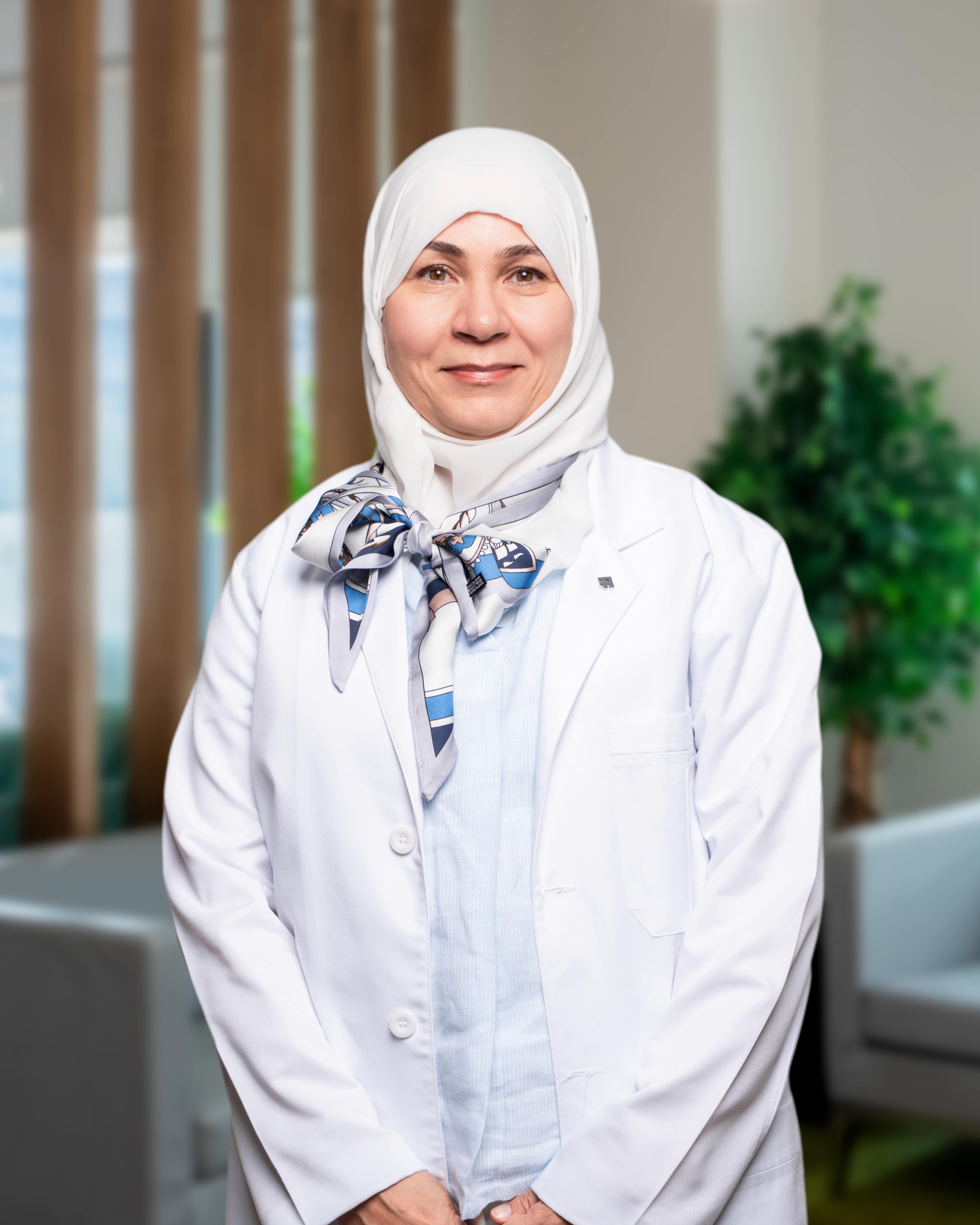
 31+ years of exp
Languages
English, and ArabicClinics
HealthHub - Arabian Center

An authoritative, approachable women’s health guide from HealthHub Clinics by Al-Futtaim
International cervical cancer awareness initiatives are more than a calendar reminder-they are a powerful call to action. They encourage women, families, and communities to prioritize prevention, understand risk factors, and make screening a routine part of life. Cervical cancer is one of the most preventable cancers, yet it still affects hundreds of thousands of women worldwide each year. The reason is simple: prevention only works when it’s used consistently.
At HealthHub Clinics by Al-Futtaim Health, we focus on what makes the biggest difference: preventive care, early detection, and clear guidance. As an outpatient, clinic-based network with day surgery services, our role is to support women with screening, education, timely follow-up, and-when needed-referrals to advanced specialist care.
Including:
If you’ve ever delayed a gynecology appointment because you felt well, felt busy, or felt uncertain, you’re not alone. But cervical screening is not only for when something feels wrong. It’s for staying well-before symptoms appear.
Awareness matters because it shifts cervical health from a private concern to a public health priority. It encourages:
Awareness also reminds us of a vital truth: prevention is a process, not a single test. It includes routine screening, follow-up when needed, and lifestyle decisions that reduce risk.
Cervical cancer begins in the cervix-the lower, narrow part of the uterus that connects to the vagina. Most cervical cancers develop slowly over time. In many cases, the body shows early warning signs at a cellular level long before cancer forms.
The usual pathway: from normal cells to precancers to cancer.
In many women, cervical cancer develops through a series of steps:
The most important point: screening is designed to detect steps 2 and 3-long before cancer develops.
What is HPV?
HPV (human papillomavirus) isn’t one single virus-it’s a large family of related viruses that can affect the skin and the lining of certain body areas, including the cervix. HPV is very common. Most sexually active people-women and men-are exposed to it at some point in life, often without ever knowing. In many cases, HPV causes no symptoms at all and the immune system clears it naturally within months to a couple of years.
Because HPV is spread mainly through intimate skin-to-skin contact, it can be transmitted even when there are no visible signs in either partner. It can also remain “silent” for a long time. This means an HPV infection may be detected years after it was acquired, and a positive test does not reliably indicate when it began or from whom it came.
High-risk vs low-risk HPV
There are many HPV types, and they behave differently. Broadly, they’re grouped into:
Why “persistent” infection matters
A key word in cervical prevention is persistent. A one-time exposure to high-risk HPV is not the same as a long-lasting infection. Many women test positive once and later test negative as the body clears the virus. Clinicians become more concerned when high-risk HPV is present repeatedly over time or when it is found alongside abnormal cervical cell changes. Factors such as smoking, long gaps in screening, or a weakened immune system can also make persistence more likely.
This is where screening plays its most powerful role. Pap smears look for abnormal cervical cells, while HPV tests look for the presence of high-risk virus types. Together, they help identify women who may need closer follow-up-often long before any symptoms appear. Importantly, an HPV-positive result is not a cancer diagnosis; it’s a signal to follow the recommended follow-up plan so that any early changes can be monitored or treated at the right time.
HPV vaccination can reduce the risk of infection with the most concerning HPV types, but it does not replace screening. The most effective protection comes from combining prevention (vaccination where appropriate) with routine checkups and timely follow-up.

Across the world, awareness campaigns-often highlighted during Cervical Cancer Awareness Month (commonly observed in January) and reinforced by global public health initiatives focused on eliminating cervical cancer-aim to normalize conversations about screening and vaccination. Awareness days and campaigns share the same key message:
Cervical cancer worldwide: the big picture
Globally, cervical cancer remains one of the more common cancers affecting women. Each year, hundreds of thousands of women are diagnosed worldwide, and many thousands die from the disease-particularly in regions where screening programs and HPV vaccination are limited.
A widely cited global estimate (from large international cancer surveillance reporting in recent years) places annual global cervical cancer diagnoses at around 600,000 cases per year, with deaths numbering in the hundreds of thousands. These numbers fluctuate by year and by reporting methods, but the overall message is consistent:
Cervical cancer in the UAE: less common, but still important
In the UAE, cervical cancer is generally less common than some other cancers affecting women, such as breast cancer. However, “less common” does not mean “rare” or “not a concern.” Cases are diagnosed every year, and-like anywhere in the world-later-stage diagnosis is more likely when routine screening is skipped.
In a diverse population such as the UAE’s, differences in screening habits, access, awareness, and cultural comfort with gynecology visits can influence how early cervical abnormalities are detected.
The takeaway for women in the UAE:
Even if cervical cancer rates are lower than in some other regions, prevention still matters-because screening is designed for individuals, not averages.
What is HPV?
HPV (human papillomavirus) isn’t one single virus-it’s a large family of related viruses that can affect the skin and the lining of certain body areas, including the cervix. HPV is very common. Most sexually active people-women and men-are exposed to it at some point in life, often without ever knowing. In many cases, HPV causes no symptoms at all and the immune system clears it naturally within months to a couple of years.
Because HPV is spread mainly through intimate skin-to-skin contact, it can be transmitted even when there are no visible signs in either partner. It can also remain “silent” for a long time. This means an HPV infection may be detected years after it was acquired, and a positive test does not reliably indicate when it began or from whom it came.
High-risk vs low-risk HPV
There are many HPV types, and they behave differently. Broadly, they’re grouped into:
Why “persistent” infection matters
A key word in cervical prevention is persistent. A one-time exposure to high-risk HPV is not the same as a long-lasting infection. Many women test positive once and later test negative as the body clears the virus. Clinicians become more concerned when high-risk HPV is present repeatedly over time or when it is found alongside abnormal cervical cell changes. Factors such as smoking, long gaps in screening, or a weakened immune system can also make persistence more likely.
This is where screening plays its most powerful role. Pap smears look for abnormal cervical cells, while HPV tests look for the presence of high-risk virus types. Together, they help identify women who may need closer follow-up-often long before any symptoms appear. Importantly, an HPV-positive result is not a cancer diagnosis; it’s a signal to follow the recommended follow-up plan so that any early changes can be monitored or treated at the right time.
HPV vaccination can reduce the risk of infection with the most concerning HPV types, but it does not replace screening. The most effective protection comes from combining prevention (vaccination where appropriate) with routine checkups and timely follow-up.
One of the main reasons cervical cancer awareness is so important is that early cervical cancer and precancerous changes often cause no symptoms.
Many women only seek medical advice when they notice changes such as:
These symptoms can have many causes (often not cancer), but they always deserve medical assessment. The key point is that screening aims to detect problems before symptoms appear.
Cervical cancer prevention is most effective when it combines:
Supporting factors include healthy lifestyle choices, safer sexual practices, and smoking cessation (as smoking can impair the body’s ability to clear HPV and is associated with higher cervical cancer risk).
HPV vaccination helps protect against the HPV types most commonly linked to cervical cancer. In many countries, vaccination is offered in adolescence and increasingly available for adults as well.
The greatest preventive impact occurs when vaccination happens before exposure to HPV. However, some adults may still benefit depending on age, medical history, and individual risk. A clinician can advise what’s appropriate for you.
Important: Vaccination doesn’t replace screening
Even vaccinated women still need screening because:
Vaccination and screening work best together.
Cervical screening is one of modern preventive medicine’s most effective tools. It can identify:
Screening is not about “finding cancer.” It’s about finding early changes when they are easiest to manage.
Screening schedules vary based on age, health history, and prior test results. Different countries and medical authorities provide slightly different guidance, but most follow a similar approach: screening starts in early adulthood and becomes less frequent when results remain normal.
Common screening approach by age (general guidance)
Ages 21–29 (or early adulthood):
Ages 30–65:
Age 65 and above:
You may need more frequent follow-up if you have:
Best practice:
Treat screening frequency as a personalized decision made with a clinician-not a one-size-fits-all rule.
A high-quality cervical health checkup is more than “just a test.” It’s a structured appointment that supports prevention, early detection, and education.
1) Confidential consultation and risk assessment
Your clinician will discuss:
This conversation helps tailor the right screening approach for you.
2) Gynecological examination
A gentle exam may include:
This exam can also help identify other common women’s health issues, such as infections, cervical polyps, or signs of hormonal changes.
3) Pap smear (cervical cytology)
A Pap smear collects a small sample of cells from the cervix. The lab examines these cells to look for abnormalities.
What it detects:
What it feels like:
4) HPV test (when indicated)
An HPV test checks for high-risk HPV types in cervical samples. It may be:
What it detects:
5) Results review and follow-up plan
A proper checkup includes clear interpretation of results and next steps. This may include:
A few simple steps can improve comfort and sample quality:
If you feel nervous, you’re not alone. Many women do. A respectful clinical environment and clear communication can make a significant difference.
Normal results
A normal Pap smear suggests no concerning cell changes at this time. A negative high-risk HPV test suggests lower near-term risk for cervical precancer.
Abnormal results: common, manageable, and not the same as cancer
Abnormal results can sound alarming, but most abnormalities do not mean cancer. They may indicate:
What happens after an abnormal result?
Depending on the type of abnormality and your age, your clinician may recommend:
The purpose of follow-up is prevention-identifying which changes need monitoring and which should be treated early.
If screening results suggest the need for closer assessment, your clinician may recommend colposcopy-a procedure where the cervix is examined with magnification and, when needed, small biopsies are taken.
Because HealthHub is an outpatient provider with day surgery services (not a hospital), our approach is:
This ensures continuity: women receive timely action rather than uncertainty or delays.
When cervical cancer is detected early, outcomes are dramatically better. In medical terms, earlier-stage cervical cancer is associated with significantly higher survival rates and a broader range of treatment options. Even more importantly, precancerous changes can often be treated to prevent cancer from developing at all.
The key success story: preventing cancer before it starts
Cervical screening has achieved something rare in healthcare: it can identify a condition (precancer) and treat it before it becomes cancer. That is why cervical cancer is frequently described as one of the most preventable cancers.
Why outcomes improve with early detection
Early detection means:
Even when cancer is not present, identifying and treating high-grade precancerous changes has a very high success rate in preventing progression.
While any woman with a cervix can develop cervical abnormalities, risk increases with:
A risk factor is not a diagnosis-it’s a reason to be consistent with screening.
Many conditions affect the cervix and are not cancer, such as:
This is why a professional evaluation matters. Screening supports prevention, and a proper gynecology check can address multiple concerns in one visit.
Cervical screening can feel personal. Some women delay care because of:
Healthcare should never feel judgmental or rushed. A high-quality clinic experience is one where you feel heard, respected, and supported. If you’re anxious, it’s okay to say so-your care team can explain each step, adjust the pace, and prioritize comfort.
Screening and vaccination are the foundation, but daily-life choices matter too:
Prevention isn’t about perfection. It’s about consistency.
Many women want preventive care to be simple: one booking, clear inclusions, and a defined follow-up plan. A well-designed cervical screening package supports exactly that-helping women stay consistent year after year.
Typical inclusions in a preventive cervical screening package
A preventive package commonly includes:
Why packages help
A preventive package can:
HealthHub’s approach
At HealthHub Clinics by Al-Futtaim Health, preventive medicine is a core focus. Our aim is to support women with:
We are not a hospital and do not provide oncology services, but we play a critical role in the part of the journey that changes outcomes most: early detection and timely action.
Knowing what will happen can reduce anxiety. A typical visit may look like this:
After the test: what’s normal?
Some women experience:
These usually settle quickly. Your clinician will advise what to watch for and when to seek medical advice.
In your 20s and early adulthood
In your 30s and 40s
In your 50s and 60s
Book an appointment promptly if you experience:
These symptoms often have non-cancer causes, but early assessment provides clarity and reassurance.
Cervical health becomes easier when it’s normalized. You can support the women in your life by:
Awareness grows faster when it’s shared kindly.
International Cervical Cancer Awareness efforts exist for a reason: they help women act before problems become serious. Whether you are booking your first Pap smear, returning after a long gap, or simply keeping your routine schedule, cervical screening is an empowering step.
Prevention is not only about avoiding disease-it’s about protecting your future, your family, your confidence, and your peace of mind.
If you’re due for screening, consider making your cervical health check part of your regular preventive care routine-because early action changes outcomes.


Connect with our experienced doctors at HealthHub Clinics to learn more or call 800 2344. to book your appointment.
31+ years of exp
HealthHub - Arabian Center