Enhanced Experience
on our Mobile App

CT Scan

CT Scan in Dubai – Fast, Detailed Imaging From Head to Toe  

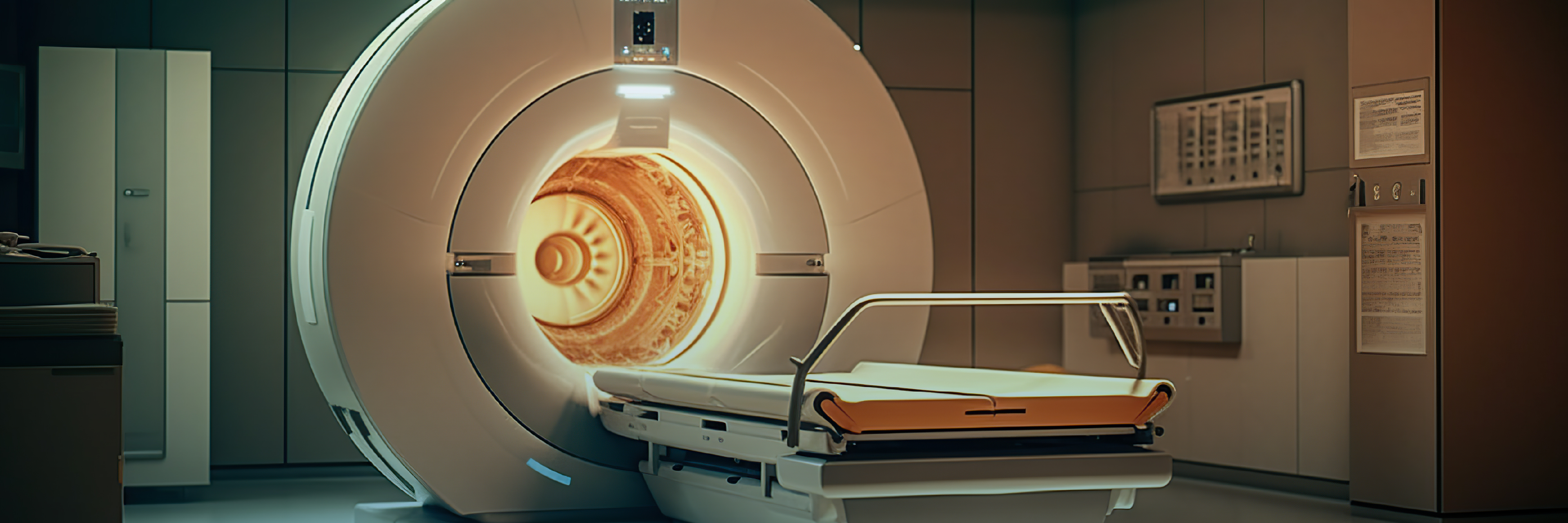
When you need answers quickly, CT (Computed Tomography) delivers clear, cross-sectional images of the body in minutes. At our Radiology Department in Dubai, we use multislice CT with low-dose protocols to evaluate bones, joints, muscles, and soft tissues-helping clinicians diagnose injuries, disorders, or diseases with precision and speed. From suspected fractures to abdominal pain, from sinus issues to vessel imaging, your CT scan is performed in a hospital-grade setting by an experienced, patient centred team. 

What is a CT Scan? 

A CT scan uses a rotating Xray tube and advanced detectors to create thin, slicebyslice images of your body. Powerful software then reconstructs these slices into highresolution pictures and 3D views that reveal anatomy in exceptional detail. Unlike a standard Xray, CT shows depth and softtissue contrast, helping doctors see inside complex areas-such as the spine, pelvis, and joints-or quickly review multiple organs at once. 

Key advantages 

  • Speed: Most exams take just a few minutes; ideal for urgent conditions. 
  • Detail: Excellent visualisation of bone, joint surfaces, cartilageadjacent structures, muscles, and organs. 
  • Versatility: One scanner, many studies-head, neck, chest, abdomen, pelvis, spine, extremities, and CT angiography. 
  • 3D tools: Surgical planning and fracture mapping benefit from multiplanar and 3D reconstructions. 
  • Dose management: Our lowdose protocols follow the ALARA principle (As Low As Reasonably Achievable) without compromising diagnostic quality. 

When is CT Recommended? 

Your clinician may request a CT scan in Dubai when rapid, detailed imaging will influence treatment decisions. Common reasons include: 

  • Trauma & sports injuries: Fractures, complex joint injuries, tibial plateau and ankle fractures, acetabular/hip injuries, shoulder dislocation assessment, and occult fractures not seen on Xray. 
  • Spine evaluation: Vertebral fractures, degenerative changes, and postoperative review. 
  • Head & sinuses: Headaches after injury, suspected bleeding, sinusitis anatomy for ENT planning. 
  • Chest & lungs: Pneumonia complications, pulmonary nodules, pleural disease; CT pulmonary angiography for suspected clots when indicated. 
  • Abdomen & pelvis: Appendicitis, kidney stones, bowel obstruction, hernias, and tumour staging or followup. 
  • Vessels (CT angiography): Aorta and peripheral arteries; preoperative mapping and stent surveillance. 
  • Cancer care: Baseline staging and interval response assessments. 
  • CTguided procedures: Selected biopsies or drain placements arranged by your referring team when appropriate. 

If another modality (e.g., MRI or ultrasound) would answer the question without radiation, we will advise accordingly. Your safety and diagnostic value drive the recommendation. 

What to Expect on the Day !

Arrival & screening 
You’ll complete a safety questionnaire (allergies, previous reactions, medicines, and pregnancy status where relevant). We review your referral to confirm the correct protocol and whether IV contrast is required. 

Getting ready 
You may change into a gown and remove metal objects (jewellery, belts, phones). If contrast is needed, a small cannula is placed in your arm. 

During the scan 

  • You lie on a comfortable table that moves smoothly through the scanner’s open ring. 
  • The technologist communicates via intercom and may ask you to hold your breath briefly for chest or abdominal images. 
  • The scan itself is fast– often just a few minutes. If contrast is used, you might feel a brief warm sensation; this is common and passes quickly. 

After the scan 
Most patients return to normal activities immediately. If you received contrast, we typically recommend drinking fluids unless your clinician advises otherwise. Your images are analysed, and a structured report is sent promptly to your referring doctor. 

CT for Bones, Joints, and Soft Tissues 

Bones & joints 
CT detects subtle fractures, assesses joint alignment and cartilageadjacent surfaces, and maps intraarticular fragments. For complex injuries (e.g., wrist, elbow, hip, knee, ankle), multiplanar views and 3D reconstructions help surgeons plan fixation or arthroscopy. 

Muscles, tendons, and soft tissues 
While MRI is often preferred for softtissue tears, contrastenhanced CT can quickly assess muscle collections, abscesses, haematomas, and foreign bodies. In the abdomen and pelvis, CT clarifies appendicitis, diverticulitis, renal colic, and postoperative changes. 

Spine 
CT defines vertebral fractures, bony canal compromise, and hardware positions with exquisite detail-complementing MRI when needed for nerve and disc evaluation. 

Safety, Contrast & Radiation Dose 

Radiation 
CT uses Xrays. We apply ALARA principles and individualise protocols based on body region, size, and clinical question. Your clinician weighs the small radiation risk against the immediate diagnostic benefit. 

Iodinated contrast 
Some CT studies require iodinebased contrast to better visualise vessels, infections, and tumours. Let us know if you’ve had contrast reactions before or have kidney concerns. In selected cases, prescan blood tests or premedication may be advised. 

Pregnancy & breastfeeding 
Notify us if you are or might be pregnant. We will discuss alternatives or protective measures if imaging is urgent. Breastfeeding can usually continue after contrast; your clinician will advise based on your exam. 

Diabetes or thyroid medication 
If you take specific medicines that interact with iodinated contrast, your referring clinician will guide timing or temporary adjustments. 

Preparing for Your CT Scan (Dubai Ready Checklist) 

  • Fasting: If contrast is planned, you may be asked to avoid food for 4–6 hours; water is often allowed. 
  • Hydration: Drink water unless told otherwise-especially helpful after contrast. 
  • Medications: Take usual medicines unless your clinician advises a change for contrast studies. 
  • Allergies & history: Tell us about past reactions, asthma, kidney issues, or thyroid treatments. 
  • Clothing: Wear comfortable, metalfree attire; remove jewellery and hairpins. 
  • Timing: Arrive a little early for screening and consent; most appointments take 30–60 minutes including setup. 

Results & Next Steps

Your scan is interpreted by a radiologist and integrated with your clinical history. Reports include clear impressions and measurements relevant to your condition-such as fracture classification, stone size/location, organ findings, or vascular observations. Your referring doctor will explain the results and propose the next steps, whether that’s rest and physiotherapy, medication, further tests, or surgery.

Book Your CT Scan in Dubai 

If you or your doctor needs fast, detailed imaging of bones, joints, muscles, or soft tissues, our Radiology team is ready to help. We combine multislice CT, lowdose optimisation, and specialist reporting to deliver answers you can trust-so treatment can begin without delay.


Schedule your CT appointment today and take the next step toward clarity, confidence, and care tailored to you. 

Health Hub in Dubai Best medical center

Why Choose HealthHub Clinics for CT Scan?  

  • Extensive Experience
  • Advanced Facilities
  • Affordable premium services
  • Trusted Al-Futtaim brand

Frequently Asked Questions (FAQs)

Is a CT scan safe? 

Yes. CT uses Xrays, so we manage dose carefully with lowdose protocols and scan only the area needed. For many conditions, the benefit of quick, accurate diagnosis outweighs the small risk from radiation.

It depends on the question. Iodinated contrast improves visibility of vessels, infections, and tumours. Tell us about allergies or kidney issues; we’ll tailor the plan.

The scan itself is minutes. With checkin, screening, and any contrast, allow 30–60 minutes total.

For noncontrast CT, you can often eat normally. If contrast is planned, you may need to fast 4–6 hours; we’ll confirm at booking.

You’ll leave with an immediate aesthetic preview because hair length is preserved. Biological regrowth begins around months 3–4 and matures through 9–12 months, when calibre and texture deliver the finished look.

CT is quick and openring, which many find easier than MRI. For children, we use paediatric dose protocols and familyfriendly coaching; in rare cases, sedation may be considered by the clinical team. 

Post Image 19+ years of exp

Article Reviewed by

Dr. Abhay Kumar Aryan

Specialist Radiologist

no text found

Languages
English and Hindi
Clinics

HealthHub Day Surgery – Festival City

HealthHub – Silicon Oasis