Enhanced Experience
on our Mobile App

Cardiac MRI

Cardiac MRI in Dubai – Advanced, Radiation Free Imaging of the Heart and Vessels 

When your heart needs clear answers, you deserve imaging that is precise, comfortable, and safe. Cardiac MRI (Cardiovascular Magnetic Resonance, CMR) at our Radiology Department in Dubai provides highdefinition, radiation free pictures of the heart muscle, valves, and great vessels-helping your clinician diagnose disease, guide treatment, and track recovery with confidence. 

At HealthHubstyle standards of care, our cardiac MRI service is built around three pillars: accuracy (specialised cardiac sequences), comfort (calm, patientcentred scanning rooms), and coordination (tight collaboration with cardiology so results turn into a clear plan). 

What Is Cardiac MRI? 

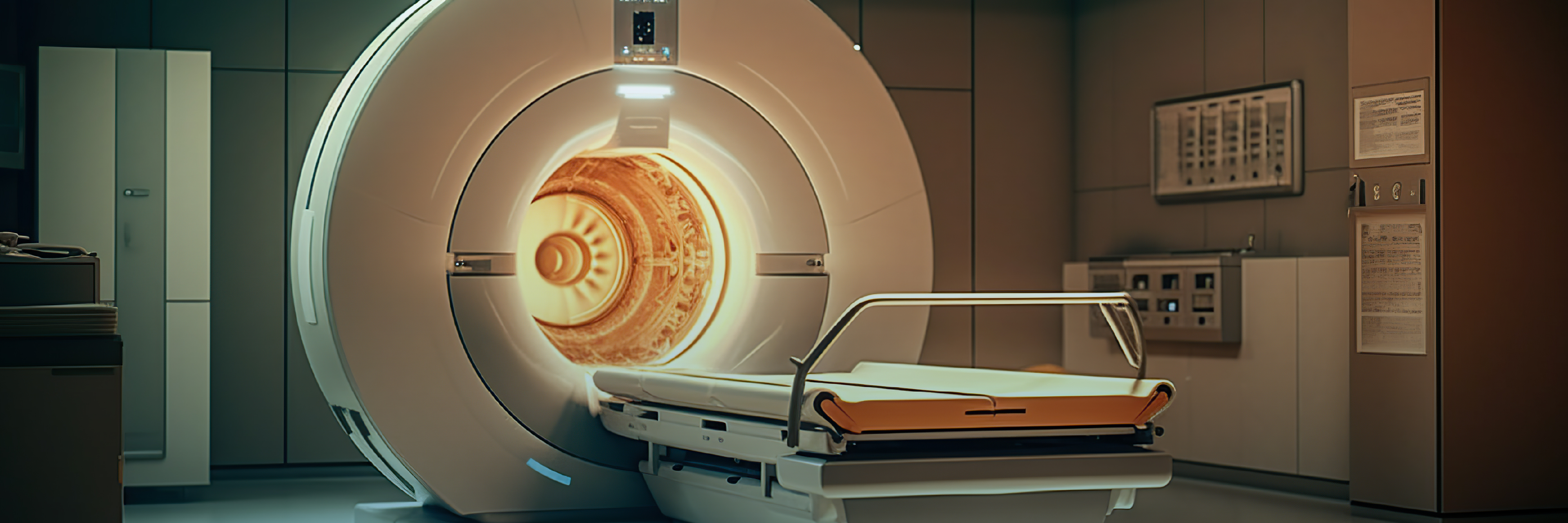
Cardiac MRI uses a powerful magnet and radiofrequency signals-not Xrays-to produce moving and still images of the heart. With ECGgating and dedicated cardiac coils, we capture the heart in motion, measuring function (how well the heart pumps), tissue character (healthy muscle vs. inflammation or scar), and blood flow through chambers and major vessels. 

Key advantages of Cardiac MRI 

  • Radiationfree imaging suitable for repeated followup when needed 
  • Cine imaging to visualise motion, ejection fraction, and regional wall function 
  • Tissue characterisation (e.g., edema, fibrosis/scar) to pinpoint the cause of symptoms 
  • Perfusion and viability assessment to support decisions about medications, stents, or surgery 
  • Comprehensive assessment of ventricles, valves, pericardium, aorta, and congenital anatomy 

When Do Doctors Recommend Cardiac MRI? 

Cardiac MRI helps answer questions that other tests may raise-or cannot fully resolve. Your doctor may request it for: 

  • Unexplained chest pain or suspected ischemic heart disease (to detect scar or assess viability) 
  • Cardiomyopathies such as dilated, hypertrophic, or arrhythmogenic conditions 
  • Myocarditis or pericarditis (to confirm inflammation and monitor recovery) 
  • Valve disease (to quantify severity and impact on heart muscle) 
  • Congenital heart disease (anatomy, shunt quantification, and surgical planning) 
  • Rightventricular evaluation and pulmonary hypertension workup 
  • Masses and thrombus characterisation when echocardiography is inconclusive 
  • Preprocedure planning and posttherapy followup (medications, device therapy, or revascularisation) 

What to Expect on the Day 

Arrival & screening. You’ll complete a safety checklist about metallic implants, prior surgeries, or allergies. Many modern pacemakers and implants are MRI conditional; if you have one, we coordinate your scan under specific safety protocols. 

Getting ready. You’ll change into MRIsafe clothing and remove metal items (watch, jewelry, cards, phone). A small IV cannula may be placed if contrast is required. You’ll lie comfortably on the scanner table; we provide ear protection and a call bell. 

During the scan. 

  • Most cardiac MRIs take 30–60 minutes; complex studies can be a little longer. 
  • We guide you through short breathholds (usually 10–15 seconds) to minimise motion blur. 
  • For stress perfusion (if requested by your cardiologist), a shortacting medication is given to simulate exercise in a controlled setting while images are acquired. 

After the scan. You can usually return to normal activities straight away. If you received contrast, we encourage hydration unless your clinician advises otherwise. 

How Cardiac MRI Helps Answer Specific Clinical Questions 

  • Is there permanent damage after a heart event? 
    Late gadolinium enhancement (LGE) shows the distribution and amount of scar, distinguishing reversible from irreversible injury and guiding revascularisation decisions. 
  • Why is the heart muscle weak? 
    Tissue mapping can help differentiate ischemic injury from myocarditis, infiltrative diseases, or genetic cardiomyopathies-so your care plan targets the true cause. 
  • How severe is valve disease? 
    MRI quantifies regurgitant volumes and forward flow, complementing echocardiography when measurements are uncertain. 
  • What is the status of the aorta and pulmonary arteries? 
    Highresolution sequences evaluate vessel size, wall changes, and flow dynamics for surveillance and treatment planning. 
  • How are we doing over time? 
    Because there’s no radiation, cardiac MRI is well suited to followup-comparing function, scar, and perfusion yearonyear where clinically indicated. 

Comfort, Safety, and Contrast 

Comfort. Our team explains each step, keeps you informed about timings, and checks in between sequences. If you are concerned about enclosed spaces, tell us at booking-we have options to make the experience easier. 

Safety. MRI is widely used across ages and is not associated with ionising radiation. Your safety screen helps us identify any implants or fragments that need special management. 

Contrast. Many cardiac MRI studies use a gadoliniumbased contrast agent to enhance diagnostic clarity (e.g., viability and perfusion). Adverse reactions are uncommon. We may check kidney function in specific cases before contrast administration. If you are pregnant or breastfeeding, please let us know so we can tailor the approach. 

Preparing for Your Scan (DubaiReady Checklist) 

  • Clothing: Wear comfortable, metalfree attire; you’ll change into an MRIsafe gown if needed. 
  • Food & drink: We’ll advise if fasting is required (varies by protocol). If a stress CMR is planned, we typically ask you to avoid caffeine for a specified period beforehand. 
  • Medications: Take regular medications unless told otherwise. Bring a current medication list. 
  • Health updates: Inform us about recent procedures, implants, or any chance of pregnancy. 
  • Timing: Arrive a little early for screening and setup; plan for 60–90 minutes in the department. 

Integrated Reporting and Next Steps 

Your study is interpreted by radiologists trained in cardiac MRI. Reports include quantitative measurements (ejection fraction, volumes, flow, scar extent) and a clear impression that answers the clinical question. Results are shared promptly with your referring physician or cardiologist, so your care team can explain next steps-whether that’s lifestyle optimisation, medication adjustments, further tests, or an interventional plan. 

Schedule Your Cardiac MRI in Dubai 

If you or your clinician need a clear, comprehensive view of your heart, our Radiology team is ready to help. Book a Cardiac MRI appointment and experience a service that combines precision imaging with a smooth, patientfirst journey-from preparation to results. 

Take the next step today-your heart will thank you. 

Health Hub in Dubai Best medical center

Why Choose HealthHub Clinics for Cardiac MRI?  

  • Extensive Experience
  • Advanced Facilities
  • Affordable premium services
  • Trusted Al-Futtaim brand

Frequently Asked Questions (FAQs)

Is Cardiac MRI safe? 

Yes. Cardiac MRI uses magnets and radio waves-not Xrays. We conduct a thorough safety screen and manage MRIconditional devices under established protocols. Adverse reactions to gadolinium contrast are uncommon.

Most scans last approximately 60 minutes. Allow extra time for checkin and postscan review. Complex studies (e.g., stress CMR) may take a little longer. 

It depends on the clinical question. Many studies use gadolinium contrast for perfusion and scar detection. If your doctor requests stress CMR, we use a shortacting vasodilator under monitoring to simulate exercise safely. 

If you’re scheduled for stress CMR, you’ll typically be asked to avoid caffeine for a specified period. Otherwise, continue routine medications unless instructed differently. We’ll confirm any fasting requirements when we book you. 

A radiologist reviews your study and sends a detailed report to your clinicianusually within a short, predefined timeframeso you can discuss findings and next steps without delay.

Post Image 19+ years of exp

Article Reviewed by

Dr. Abhay Kumar Aryan

Specialist Radiologist

no text found

Languages
English and Hindi
Clinics

HealthHub Day Surgery – Festival City

HealthHub – Silicon Oasis