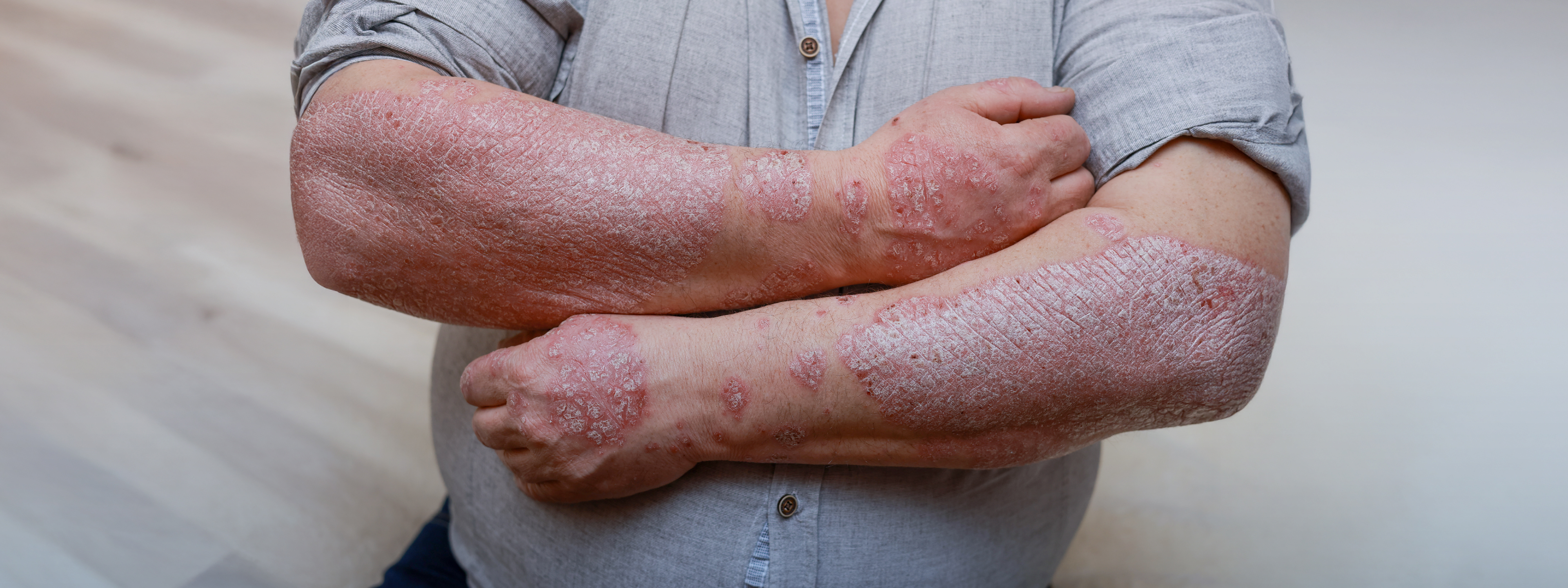
What Are the Symptoms and Triggers of Eczema and Rashes?
Eczema typically appears as red, inflamed patches that are intensely itchy. The skin may be dry, cracked, or scaly. In acute flare-ups, fluid-filled bumps or blisters can ooze and form crusts. Common locations include the folds of the elbows or knees, hands and feet, ankles, neck, upper chest, and in infants, the face and scalp.
Other types of dermatitis or allergic rashes include contact dermatitis and hives. Contact dermatitis appears at the site of contact with something irritating or allergenic. Hives are raised, reddish welts that typically last for a few hours to days.
Common triggers include:
- Dry skin and climate
- Irritants such as harsh soaps or detergents
- Allergens (dust mites, pollen, mold, foods)
- Heat and sweat
- Stress and emotional factors
- Infections (bacterial or viral)
How Are Eczema and Skin Allergies Treated for Symptom Relief and Long-Term Management?
Effective management of eczema and allergic dermatitis focuses on calming the current symptoms and preventing future flares. HealthHub’s dermatology team creates personalized treatment plans that may include:
Medications for Symptom Relief:
- Moisturizers and emollients
- Topical corticosteroids (anti-inflammatory creams)
- Topical calcineurin inhibitors (non-steroid immune modulators)
- Oral antihistamines for itch relief
- Antibiotics or antiviral treatments for infected skin
- Advanced therapies like biologics (for severe cases)
Long-Term Management:
- Identifying and avoiding personal triggers
- Daily skincare with gentle cleansers and consistent moisturization
- Maintenance medications for flare-prone areas
- Regular dermatology follow-ups and patient education
How Is Allergy Testing Used to Diagnose Allergies?
Understanding allergic components of eczema is vital for long-term control. At HealthHub Clinics, we offer allergy blood testing for food and respiratory allergens. We do not perform skin patch testing.
Allergy Blood Tests:
These tests help identify triggers such as dust mites, pollen, pet dander, and common food allergens. Blood tests are safe, quick, and do not require stopping antihistamines beforehand.
If an allergy is confirmed, we’ll provide guidance on how to reduce exposure and adjust your eczema management plan accordingly.
What Are Some Practical Skincare Tips?
- Moisturize at least twice daily with fragrance-free products
- Bathe using lukewarm water and mild cleansers
- Avoid wool and other rough fabrics
- Keep nails trimmed and avoid scratching
- Manage stress with sleep, exercise, or relaxation techniques
Our dermatologists will provide a customized skincare plan based on your skin type, age, and eczema severity.
Why Choose HealthHub Clinics?
- Extensive Experience
- Advanced Facilities
- Affordable premium services
- Trusted Al-Futtaim brand
 8 years of exp