Fungal Nail Infections (Onychomycosis)
One of the most common nail conditions, especially in toenails. Infected nails may appear thickened, discolored, brittle, or detached from the nail bed. Treatment typically includes antifungal medications (oral or topical) depending on severity.
Nail Psoriasis
This autoimmune condition causes pitting, discoloration, separation from the nail bed, and thickening. Treatment may involve topical steroids, medicated lacquers, or systemic medication for more advanced cases.
Lichen Planus (Nails)
An inflammatory disorder that can lead to nail thinning, ridges, or loss of the nail plate. Early treatment is essential to avoid permanent damage. Our dermatologists may use corticosteroid creams or injections around the nail matrix.
Paronychia (Nail Infections)
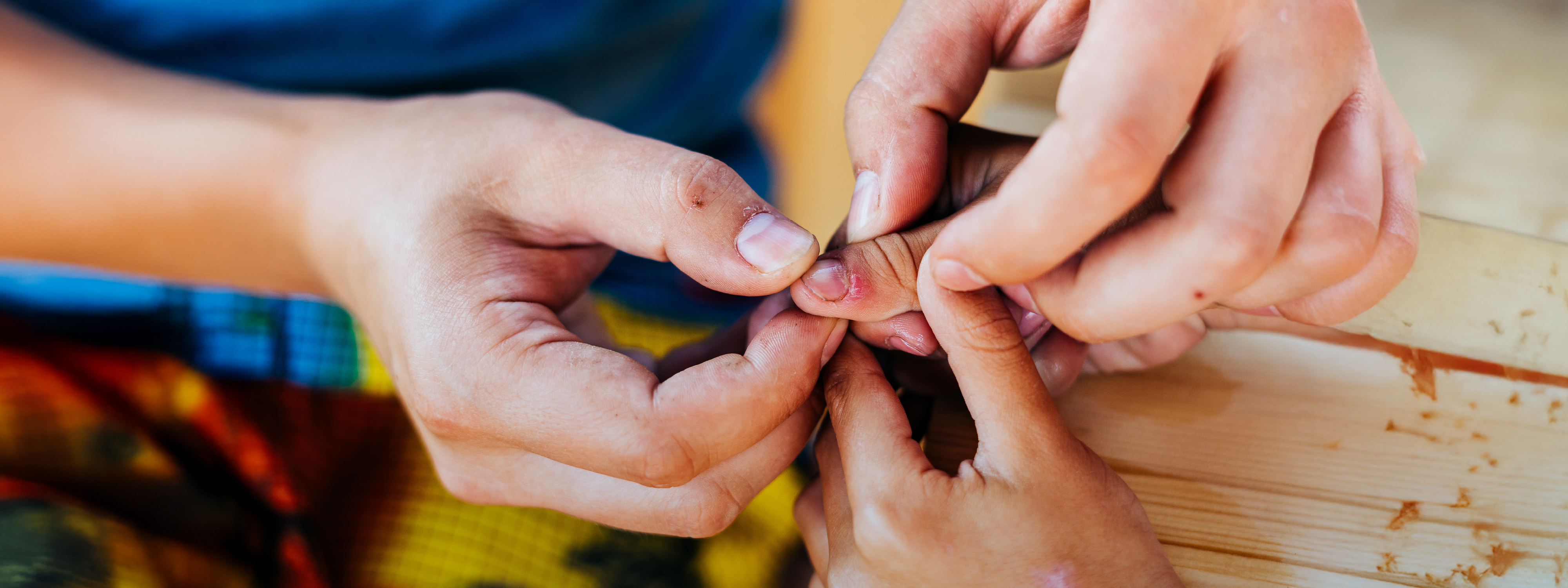
Bacterial or fungal infections around the nail fold often caused by injury or over-manicuring. Symptoms include redness, swelling, and pain. Treatment may involve drainage and antibiotics or antifungals.
Ingrown Nails
Often affecting the toenails, this condition causes pain, swelling, and potential infection. Depending on severity, treatment ranges from conservative nail care to minor in-clinic procedures.
Our dermatology specialists begin with a full evaluation, including a review of symptoms, medical history, and lifestyle factors. Diagnostic steps may include:
- Visual inspection and dermoscopy
- Fungal culture or nail clippings
- Blood tests for nutritional or systemic causes
- Nail or scalp biopsy in complex cases
Once a diagnosis is made, our dermatologists develop a personalized treatment plan that may include prescription medications, in-clinic therapies, and guidance on ongoing nail and scalp care.
 8 years of exp